


Imagine the scene when your visitors first arrive at a property and look aloft, eyes widening in wonder at the exquisitely crafted tree home tucked among the vegetation. Tree homes have evolved into a modern obsession whether they are a luxury holiday rental, an eccentric home office, or a magical play ground for children. But why have they suddenly caught fire in mainstream markets? And is the buzz around customizing them truly the next big thing? How to Customize Tree Houses for Different Client Needs?
The answer is simple yet compelling: people crave authentic, memorable experiences. They want to break free from generic hotel rooms and identical suburban homes, leaning instead toward unique spaces that speak to their personal stories. A tree house, suspended between branches and leaves, appeals to our sense of wonder—an instinctive throwback to childhood fantasies. But it’s not just about whimsy or escapism; it’s also about personalization. As tree house construction techniques become more advanced, and as people demand fresh, tailor-made getaways, developers, hospitality brands, and private owners have discovered that custom design is the ultimate secret sauce.
That’s precisely where the magic of a well-crafted, individualized tree house shines. Beyond offering a “cool factor,” a custom build can cater to each client’s unique needs—whether it’s a young couple seeking romantic seclusion, a family longing for a nature-infused escape, or an artist yearning for an atmospheric workshop. The market has responded in kind, embracing a new era of “tailor-made treetop living” that marries style, safety, and sustainability.
What Do Clients Really Want? The Grand Tree House Inspiration Search
You have so decided to create a custom tree house either building or commissioning. Wonderful. But how precisely do you find out what a client wants? Starting with a crystal-clear awareness of the occupant’s lifestyle, likes, and functional needs helps you to translate lofty ideals into concrete design.
From Brainstorming to Blueprint
First things first: set up an in-depth conversation—if possible, in person or via video call—where clients share their wildest ideas. Encourage them to throw everything on the table. Dreaming of a wraparound porch with a hammock? Jot it down. A built-in telescope for star-gazing? Why not? The more data you gather during the early “tree house inspiration search,” the easier it is to shape a coherent design.
Budget vs. Imagination
Grand ideas of clients sometimes deviate from their budgets exactly. That does not imply you should stifle their excitement. Instead, offer creative compromises—like scaling back on certain luxury finishes while maintaining the core features they adore. Clients get a bit of fantasy, you ensure financial feasibility, and the tree house remains a magical retreat rather than a half-finished headache.
Site Assessment: More Than Just Checking Trees
Choosing the right tree species (or cluster of trees) is obviously crucial, but so is analyzing the terrain, local climate, and potential logistical challenges. Are we dealing with dense woodland where you’ll need special equipment to bring in building materials? Is the property in a remote, off-grid location? Each scenario shapes the ultimate design. By combining your client’s dream elements with practical site insights, you’ll chart a clearer route from concept to construction.
One Tree House Can’t Please Everyone? Three Typical Scenarios to Unveil Different Dreams
You might be wondering, “Isn’t a tree house just a tree house?” Absolutely not. In the realm of custom design, each build is an entirely unique reflection of the user’s purpose and desires. Here are three common scenarios that highlight the variety of shapes a single concept—“a tree house”—can take on.
The Luxury Vacationer: Balancing Comfort and Nature
For some individuals, the idea of “roughing it” in a tree top is exciting. But for a luxury-oriented traveler, comfort is paramount. They want plush seating, top-notch bedding, climate control, and maybe even a private hot tub on a secluded deck. This scenario demands advanced materials, robust insulation, an efficient heating/cooling setup, and strategic interior design to exude a high-end vibe—while still preserving an intimate connection with the natural environment outside.
A custom approach here might include:
- Large panoramic windows for scenic forest views.
- Hand-crafted wood surfaces to enhance rustic elegance.
- Spa-like bathrooms with eco-friendly fixtures.
- Premium furnishing that aligns with a refined theme.
The Kid-Friendly Family Getaway: Sparking Playful Exploration
Another typical scenario involves families seeking to create a bonding sanctuary in the woods. Think rope bridges, climbing nets, interactive learning corners, and wide-open layouts that let parents keep an eye on exploring kids. Here, the focus shifts to safety and fun. You’ll likely incorporate:
- Guardrails designed for child safety, with minimal pinch points or sharp corners.
- Versatile sleeping arrangements (bunk beds, convertible sofas) for extended families or guests.
- Outdoor decks or mezzanines that double as play zones or reading nooks.
- Educational elements—like mini nature exhibits or transparent panels to observe squirrels and birds.
This scenario is all about fueling a sense of adventure while preserving comfort for the adults. It’s the ultimate trick: building a tree house that both delights children and reassures parents with robust structural integrity.
The Creative Workspace or Studio: When Inspiration Lives Above Ground
If you’re dealing with artists, writers, or remote professionals who dream of a “branch-office” (pun intended), a tree house can become their productivity haven. This scenario values abundant natural light, quiet corners, good acoustics, and robust internet connectivity. A custom design might involve:
- Skylights or roof windows for maximizing daylight.
- Smart ventilation to ensure a pleasant atmosphere year-round.
- Ergonomic desk setups that blend seamlessly into the treetop aesthetic.
- Storage solutions for art supplies, musical instruments, or technology.
In essence, the tree house ceases to be a short-stay curiosity and morphs into a functional environment that supports creative and professional endeavors. Integrating modern amenities doesn’t have to ruin the rustic charm—it’s all about balance.
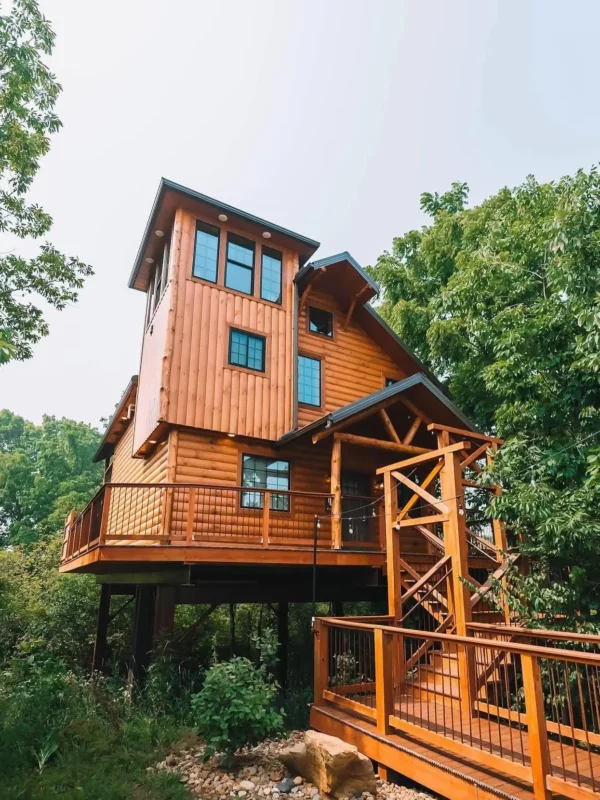
Learn More: https://treelofts.com/the-maple-ridge-treehouse-asheville-north-carolina/
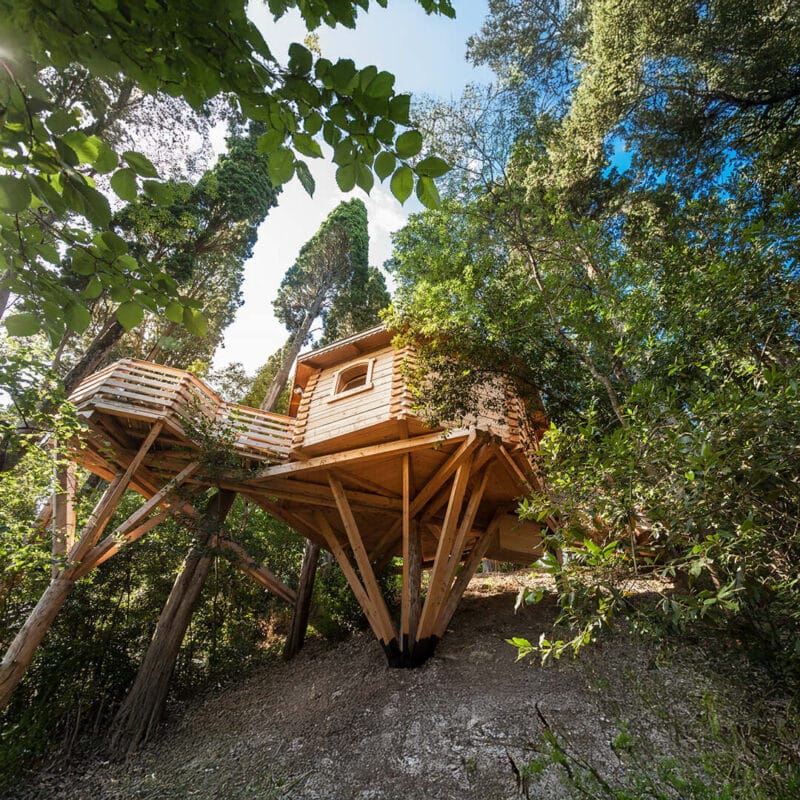
From Wild Ideas to Solid Blueprints: What’s Key in Custom Tree House Design?
You might have gleaned that each scenario has distinct needs. But how do you channel raw inspiration into functional, buildable plans? The short answer: careful planning, thorough research, and expert guidance.
Establishing a Cohesive Theme
“Theme” does not always translate into extravagant decorations or manufactured gimmicks. Actually, your tree house is shaped by your basic identity. Do you want a Zen-inspired, understated retreat? Alternatively maybe a fanciful, storybook look with stained-glass windows and curved lines. Choosing this topic early on offers direction for the structural arrangement, color scheme, and even finishing details.
Spatial Planning and Flow
Tree houses typically feature limited footprints, so you want to maximize efficiency and comfort. Modular design principles become invaluable, allowing you to:
- Tuck fold-away furniture into hidden compartments.
- Use lofts or elevated platforms to separate sleeping areas from living zones.
- Optimize traffic flow, so no area feels cramped or overshadowed.
Considering Tree Growth and Movement
Let’s not forget the star of the show: the living tree itself (or multiple trees). Over time, branches can expand, trunks can subtly shift, and root systems can change. A top-notch blueprint accounts for this natural growth:
- Adjustable bracket systems that can be loosened or tightened as needed.
- Minimal invasive drilling or bolting that could jeopardize the tree’s health.
- Adequate clearance around trunks and major limbs.
Long story short: A custom tree house design must be a gentle dance between creative vision and structural pragmatism.
Still Undecided on Materials and Construction? How to Make a “Sky House” Both Gorgeous and Sturdy
It’s one thing to dream up a tree house that looks spectacular on paper, but quite another to see it safely perched in the air for years to come. This is where quality materials and precision construction techniques step into the spotlight.
Selecting Sustainable, Lightweight Materials
Especially if your house is physically surrounded by trees, you want to reduce strain on the construction. If not well matched with the design, heavy steel may be an overkill. Alternatively, without sacrificing durability, well-treated wood, bamboo, aluminum frames, or composite panels can lessen the mass. The finest strategy combines:
- Eco-friendly timber from responsibly managed forests.
- High-strength bamboo composites for floors or walls.
- Aluminum or stainless-steel connectors for reliable anchoring.
Pre-Fabrication or On-Site Construction?
If you’re building in a remote forest, hauling massive beams on site is no joke. Pre-fabrication (manufacturing large panels off-site and transporting them for final assembly) can speed up construction, lower overall costs, and reduce the environmental footprint. Conversely, if your location offers decent access and you have skilled labor ready, on-site building can be more flexible.
Safety at Altitude
Essential rather than optional are scaffolding, harnesses, and other protection gear. Unquestionably, customizing a tree house is fascinating, but safety first. Working together, structural engineers, arborists, and experienced builders guarantees that your “sky house” is both aesthetically beautiful and structurally sound.
Going Viral or Going Unnoticed? Key Tricks to Seize Market and Media Attention
Want your custom tree house to become an online sensation? Or perhaps you’re aiming for a steady wave of bookings rather than a one-hit wonder. Either way, marketing strategy matters—especially in an age where travelers, influencers, and prospective buyers discover dream properties through viral videos, social media snaps, and word-of-mouth.
Create a “Wow” Feature
Whether it’s a transparent floor panel offering a bird’s-eye view of the forest canopy or a spiral slide connecting two decks, a memorable centerpiece can propel your tree house to internet stardom. People crave share-worthy moments, and a well-executed “wow” feature basically begs guests and onlookers to snap a photo or record a reel.
Lean into Storytelling
Go beyond a simple listing that says “We have a tree house.” Craft a narrative around your brand or property:
- Construction Journey: Document the entire build process with videos and behind-the-scenes photos.
- Sustainability Focus: Showcase the eco-friendly techniques you used. Let people appreciate your commitment to nature.
- Personal Touch: If the tree house is for a family or a special cause, highlight the personal stories and real-world impacts.
Embrace Collaboration and Cross-Promotion
Work with local environmental groups, travel bloggers, or handcrafted businesses that can cross-promote your tree house. If your construction calls for locally made handcrafted goods or regionally specialized materials, you can work on events, co-branded products, or unusual experiences. You build momentum together that attracts journalists as well as prospective guests.
Accessibility? Extreme Weather? How to Adapt a Tree House for Special Needs
Many people mistakenly assume a tree house is only for the physically fit and the young at heart. In reality, a custom approach can address nearly any special requirement—whether it’s wheelchair access or fortifying the structure for harsh climates.
Designing for Mobility Challenges
If you start from the beginning, you can absolutely build ramps or install a small, dependable elevator. You would also include low thresholds, broad doorways, and strategically placed handrails. The secret is to maintain the same whimsical, enchanting atmosphere while making sure none feels left out of the high-flying excitement.
Battling Weather Extremes
Does the site get hurricanes, plenty of snow, or hot summers? Install strong insulation, reinforce structural connections, and employ impact-resistant windows. In hotter areas, cooling techniques—such as shadow overhangs, natural ventilation, or light-reflective roofing—help; in colder climates, specific heating solutions preserve comfort. If the area has plenty of storms, think about using rotating joints or flexible anchor points to let the building gently swing with high winds, therefore reducing the chance of damage.
Cultural or Linguistic Diversity
Adapting your tree house to international clientele might involve simple but thoughtful gestures:
- Multilingual signage or user guides.
- A design aesthetic that respects local or global traditions.
- Interiors that cater to varied cultural norms—like space for prayer, specialized dining setups, or shoe-free zones.
A truly custom tree house welcomes everyone, forging universal experiences up in the treetops.
Does Everything End After the Handover? How to Keep Tree House Living Evolving and Full of Surprises
Picture this scenario: The new owner steps into the freshly finished tree house, brimming with excitement. Is that the finale? Not at all. Custom tree houses aren’t simply “set it and forget it” projects. They’re living spaces that can evolve over time, with each season or occupant bringing fresh uses, styles, and upgrades.
Seasonal Events and Programming
If it’s a rental property, seasonal programs can keep guests coming back:
- Spring Bird-Watching Tours: Observing local migratory birds from the deck.
- Summer Stargazing Nights: Setting up telescopes on a rooftop platform.
- Autumn Harvest Feasts: Partnering with local farms to offer orchard tours and gourmet dinners.
- Winter Cozy Packages: Fire pits, hot cocoa, and scenic snowy views from heated balconies.
Ongoing Maintenance and Tree Care
The tree (or trees) that host your structure remain alive and dynamic. Periodic check-ups with professional arborists can spot potential issues before they become safety hazards. Meanwhile, routine painting, sealing, or minor repairs ensure the house itself keeps its visual charm.
Upgrades for Evolving Lifestyles
Owners might decide to convert a once-simple sleeping loft into a more elaborate lounge or add a solar power system to make the tree house off-grid. Because each design is unique, these modifications can be integrated seamlessly, provided the original build concept included flexibility.
Profit or Loss? Uncovering How Customized Tree Houses Balance Cost and Return
We’d be remiss if we only celebrated the dream without grappling with financial realities. Depending on the scale, materials, and complexity, a custom tree house can range from a modest weekend hideaway to a six-figure architectural statement. So, is it a money sink or a potential gold mine?
Upfront Costs vs. Long-Term Gains
- Construction Expenses: Specialized labor, intricate designs, and high-quality materials can drive up initial costs.
- Location and Logistics: Remote sites might incur additional transport and lodging costs for your construction crew.
- Potential High ROI: Unique properties often command premium nightly rates or resale values. If well-marketed, a single custom tree house can outperform multiple conventional rental units in net revenue.
Diversified Income Streams
Beyond lodging fees, owners can monetize through:
- Workshops and Retreats: Artists, mindfulness coaches, or corporate teams might rent the tree houses for short sessions or events.
- Exclusive Photo Shoots: Thanks to its distinct aesthetic, a tree house is an attractive spot for photo shoots, brand campaigns, or indie film sets.
- Branded Merchandise and Experiences: Branded goods, local crafts for sale, guided nature tours, or even cooking classes in an open-air kitchen add layers of revenue.
Partnerships, Funding, and Government Incentives
Depending on your region, there may be tax benefits or subsidies for eco-friendly construction. Some states or municipalities reward low-impact architecture—like tree houses—for preserving green space, reducing land usage, or promoting biodiversity. Engaging with local tourism boards can also spark synergy, funneling more visitors your way.

Team Up with TreeLofts and Transform Your “Private Sky City” into a Lively Reality
You are most likely bursting with ideas by now on how to practically improve your living experience. Customizing a tree house can be a huge step toward personal independence, artistic expression, and yes, possible financial benefit, whether your ideal is a lavish forest refuge, a quirky family adventure hub, or a production-boosting studio in the branches.
But let’s face it: the path from concept to finished build can be daunting without the right partner. TreeLofts is here to guide you every step of the way. With a proven track record in design, engineering, and sustainable construction, our team of experts marries imaginative flair with technical precision.
The tree house phenomenon is more than a fleeting trend. It’s a bold statement about reconnecting with nature, fueling creativity, and embracing a new wave of hospitality and real estate innovation. So, are you ready to climb?
Questions of Frequency
Q1: How may I make my tree house suitable for family life?
A: Pay especially attention to safety elements such non-slip flooring and sturdy railings. While making sure the area is pleasant for adults as well, incorporate play spaces such swings, climbing walls, and other entertaining features.
Q2: For environmentally friendly tree houses, which materials are most suited?
Among great choices are reclaimed wood, FSC-certified timber, and non-toxic coatings. For even more sustainability, you may also include green rooftops and solar panels with energy-efficient qualities.
Q3: Could one work from a tree house?
A tree house can be tailored with ergonomic furniture, sufficient lighting, soundproofing, and privacy elements to produce a comfortable and efficient working.
Q4: For a tree house, what most opulent elements would be found?
High-end materials like teak and marble, roomy layouts with several rooms, outdoor living areas, and first-rate conveniences such hot tubs, pools, and top-notch appliances define luxury features.
Q5: How can I set out a tree home rental stand out?
A: Provide unusual elements include personalized designs, private hot tubs, and panoramic views. Emphasize establishing a private, quiet space with luxury conveniences to draw in visitors.
