


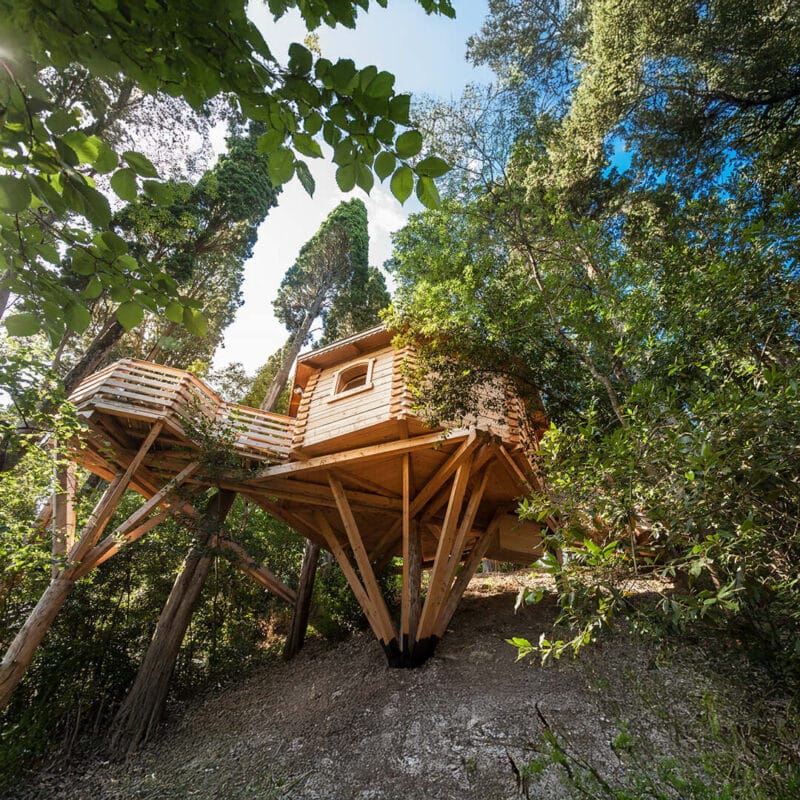
From basic kid play areas to complex, multifarious places fit for private vacations, offices, short-term rentals, or event settings, tree houses have developed from the idea of a tree home transcends a whimsical hobby for many enthusiasts and experts. Rather, it is a wise long-term investment with the possibility to yield returns—be they financial, personal, or both.
Still, building a tree house marks only the start. Like any Long-Term Tree House Investments asset or real estate development, a tree house needs careful design and maintenance over its lifetime to optimize value. Here especially the idea of lifespan cost analysis is quite important. Examining not just the first design and building costs but also the continuous maintenance, possible renovations, running expenses (such as utilities), and final replacements or upgrades that would develop over the years.
Making wise judgments for both end consumers and distributors of tree houses depends on knowing and controlling their lifetime expenses. Analyzing the lifetime costs helps you to maximize your investment whether your tree house is intended for personal use or for business. It also guarantees that it will stay secure, attractive, and useful for many years.
This blog will go deeply into the lifetime expenses of tree house ownership, investigate long-term cost-cutting techniques, and show how to assess returns on investment (ROI). By the conclusion, you will be qualified to make wise decisions and maybe turn your tree house into a profitable, long-standing asset.

1. Gaining Knowledge on Tree House Lifecycle Cost
1.1 Defining Lifecycle Cost
The whole cost of owning an object during its lifetime is known as its lifecycle cost. This covers all costs for a tree home from the first phases of concept planning and first design through to decommissioning or significant repairs. Usually, one may break out these expenses into:
- First planning and building
- Utilities, finishing, furnishing, and utilities
- Continuous maintenance and repairs
- Operating expenses (utilities, insurance, etc.)
- Renovations, improvements, and finally replacements
- Possible costs for removal or repurposing
Although many individuals concentrate on the initial outlay for building a tree home, the running expenses frequently decide whether a tree house project stays lucrative or turns a financial loss. By use of lifecycle cost analysis, you can more precisely project revenues and expenses, so enabling improved decision making.
1.2 Why Study of Lifecycle Costs Matters
Long-Term Value: A tree home is not one-time outlay of money. With time, it might provide income—if rented—or act as a corporate asset. By means of lifecycle cost analysis, one can make sure this asset stays either cost-effective or lucrative throughout time.
Maintenance budgets for tree houses may be erratic depending on improper planning. Analyzing these expenses ahead of time will help you build a budget including possible structural repairs, pest management, or wear and tear from the elements.
Whether your tree house is a rental property, retreat center, or event venue, lifetime cost analysis helps you to maximize returns if it is part of a business. Strategic investments—that is, solar panels, environmentally friendly insulation, premium fixtures—that will over time increase profitability will be able to be planned.
Knowing the likely sites of failure or high-cost places in your tree home will help you reduce hazards. This guarantees your tree home stays secure for users and that you are ready financially for unanticipated circumstances.
2. Initial Outlay: Balancing Cost and Quality
2.1 The Planning and Design Stage
The lifetime cost of a tree home begins much before the first plank of wood is set. The decisions taken in the planning and design stage can affect the total expenditure for decades. Here is when professional opinion might be quite helpful:
- Feasibility studies help identify appropriate trees, local rules, and project scope. Although employing experts for feasibility studies increases your initial expenses, it lessens the possibility of costly later redesigns and changes.
- Engineering and Blueprints: A well-engineered tree home requires less structural repairs later, is more sturdy and safer. Investing money on thorough designs guarantees precisely computed weight distribution, load-bearing places, and connections to the tree.
Although cutting shortcuts is tempting, investing in professional services up front usually pays off by reducing expensive retrofits or legal problems.
2.2 Materials and Construction Techniques
One should start with Structural Frame Materials.
- Popular for its natural beauty is wood. The species and quality determine the somewhat different cost. Though their initial cost is more, hardwoods pay off in durability.
- Engineered Wood: More consistent and often stronger than natural lumber. Priced reasonably, it can be a decent mix of lifespan and cost.
- Though usually more costly, lightweight composites can lower structural load, cut maintenance, and increase the lifetime of the tree home.
2.3 Walls, Floors, and Ceilings
- More costly at first, insulated panels over time can help to lower heating and cooling expenditures.
- Every asphalt shingle or metal roofing has a varied starting cost and degree of durability. Usually lasting longer, metal roofing helps to lower long-term replacement costs.
2.4 Support Systems and Fasteners
- More expensive than ordinary steel, galvanized or stainless steel bolts resist rust and survive longer—critical for a building subjected to the elements.
- Specialized mechanisms called Tree Attachment Bolts (TABS) guard the tree and the construction. Although TABs cost more than regular bolts, they stop long-term harm to the tree and help to avoid costly reattachments later.
Selecting the correct materials immediately affects your future maintenance costs as well as initial outlay. While choosing less expensive materials could initially appear like a money-saver, if replacements or major repairs become required sooner, it could ultimately cost more.
2.5 Infrastructure and Utility Configuration
Tree houses range from completely functional areas with running water, power, and Wi-Fi to off-grid getaways. Every utility service has both long- and short-term financial ramifications:
- Power Supply: Professional installation of the grid connection calls for maybe cable trenching. One continuous expense is electricity.
- Higher upfront costs for batteries and panels mean reduced long-term costs, particularly in sunny areas.
- Water and Waste Management:
- A sustainable method that lowers water expenditures but calls for storage tanks and filtration equipment is rainwater collecting.
- Choosing a composting toilet can save water use but may also call for more ventilation and frequent maintenance.
- Cooling and Heating:
- Installing a full HVAC unit in a tree home might be costly, but it’s crucial if the area is used year-round.
- Strategic window placement, natural shading, and good insulation can help to significantly lower heating and cooling expenditures.

3. Constant Maintenance and Operating Expenses
3.1 Consistent Inspections and Tree Health
One special feature of tree houses is their continuous interaction with a live host: the tree itself. The structural soundness of the tree house closely relates to the tree’s health:
- Hiring an arborist to assess the tree guarantees it stays robust and free from illness in either annual or biannual tree health checks. This will help to avoid unexpected collapses or the necessity for emergency removals.
- Over time trees grow, change, and adapt. Frequent maintenance of support systems helps to preserve a stable structure and prevents expensive damage should a support become either too tight or too free.
3.2 Protective Treatments and Finishes
Tree houses are more open to the elements—wind, rain, snow, and strong sunshine than traditional dwellings. Maintaining the structure calls for ongoing treatment:
- Applying sealants or protective coatings to metal or wood parts helps reduce rot, rust, or UV damage.
- In wooded areas, termites, carpenter ants, and rats can damage buildings. Treatments and pest inspections are a regular expense meant to prevent major structural problems.
- Painting or staining: Particularly under direct sunlight or heavy rain, exterior finishes degrade with time. Regular restaining or painting helps the tree house look new and protects against moisture damage.
3.3 Consumable Utility Bills
Should the tree house be hooked into utilities:
- Even if you have energy-efficient equipment, a year-round climate control system or lighting can result in regular costs. While it can help with some costs, solar power requires battery replacement throughout the system lifetime.
- Water and Waste Management: Should not a municipal system be in place, you may have to keep up a septic system or well. Composting toilets could call for regular emptying and substrate replacements.
- Internet and Communications: Maintaining a consistent connection is crucial whether you use the tree house for rentals or distant business. Your provider and the technology used—fiber, satellite, cellular, etc.—will affect the costs.
3.4 Responsibility and Insurance
Tree houses carry special hazards including storms, falling limbs, and possible ladder or elevated walkway mishaps. While specialized insurance may have higher rates than regular property insurance, it can help guard against certain hazards.
- Property Insurance: Clarifying coverage is essential since a tree home may be classified by insurers differently than traditional buildings.
- Liability Insurance: Extra liability coverage could be required to guard against legal action resulting from mishaps or injuries on the property whether renting or staging events.
4. Techniques for Reducing Extended Costs
4.1 Outstream Quality Construction from the Beginning
Cutting shortcuts during the first build could result in structural problems over time and ongoing repair costs. By lowering continuing upkeep, investing in great workmanship, durable materials, and competent advice typically pays off.
4.2 Accepting Eco-friendly Design
- Strategic window, skylight, and overhanging placement helps to lower reliance on artificial heating and cooling by passive solar and ventilation.
- Particularly if your tree house is used often or for business, solar panels or tiny wind turbines can assist eventually balance energy costs.
- Quality insulation reduces heating and cooling demand, therefore lowering utility expenses and wear on HVAC systems.
4.3 Planned Maintenance Strategies
A proactive maintenance schedule is more reasonably priced than waiting for anything to break.
- At least twice a year, examine roofing, seals, fasteners, and tree attachments to find small problems before they become major.
- Creating a contingency fund will enable you to handle unanticipated repairs without sacrificing your income.
4.4 Modularism and Adaptive Reuse
Building a tree home capable of several usage throughout time helps to maintain its value. If a place is planned effectively from the beginning, for example, a children’s play area might subsequently be turned into a guest room or home office with little work. This adaptability guarantees the tree house stays relevant and helps to lower the expenses of building totally new buildings in the future.
5. Estimating Tree House Return on Investment (ROI)
5.1 Rent and Event Possibilities
Whether your tree home will be used as a vacation rental, conference room, or event site, figuring possible income is absolutely vital. Things to take into account:
- Local Demand: Find out how well-liked unusual lodging is in your area. Occupancy rates in areas close to popular tourist spots usually are higher.
- Pricing Strategy: Look at similar ads to establish reasonable hourly or nightly pricing. Sometimes the uniqueness of a tree house helps to justify premium price.
- Online listing fees, camera work, or promotional materials help to cover the whole cost of drawing visitors.
You can figure when and if your tree home will turn a profit by matching expected income with continuing expenses including maintenance, cleaning, insurance.
5.2 Business and Educational Cooperation
Leasing tree house space for seminars, team-building, or getaways could piques the attention of companies or schools. One consistent source of revenue that partnerships can provide is:
- Regular Bookings: Corporate packages or semester-long agreements with universities help to guarantee consistent income flow.
- Many companies appreciate creativity and sustainability, both of which a well-built tree home reflects. Using these features benefits marketing.
5.3 Property Value Improvement
Sometimes a tree house can increase the whole worth of a house, particularly if it is well-built and effortlessly fits the surroundings. Tree houses are generally intriguing to prospective purchasers, which accentuates the distinctive beauty of a house. Though local real estate trends and buyer preferences will determine this, it can result in a higher selling price.
5.4 Juggling Personal Return with Financial One
Not every tree home is meant to be only a profit-making endeavour. Some owners give personal delight, creativity, or lifestyle advantages great importance. From mental health to offering a location for family get-togethers, these intangible advantages might be part of your “return” even if rental income doesn’t exactly mirror them. Key component of lifespan cost analysis is juggling personal pleasure with financial goals.

6. Making Your Tree House Future Proof
6.1 Tree House Design Creativity
The discipline of building tree houses is always changing. Emerging trends consist of:
- Ongoing research helps to enhance the attachment of tree homes to trees, therefore enabling safer and more flexible designs that minimize damage to the hosting tree.
- Remote monitoring and automation let owners of smart homes handle anything from security systems to lights, therefore lowering running expenses and enhancing the guest experience if rented.
- New composites and recyclable materials with great weight and durability help to further lower structural and maintenance costs.
Monitoring industry developments will enable you to determine when (and whether) to replace parts of your tree home in order to save money or increase value.
6.2 Design for Possible Modifications or Expansion
Building a tree home with future growth in mind helps you save a lot of money. If the original layout included weight distribution and possible anchor locations, then adding a second deck, room, or loft down the line may be easier. Having the ability to adapt will help you to preserve—and even increase—the value of your investment even if growth is not now part of your agenda.
6.3 Legal and Regulatory Issues
Tree house building rules and standards differ greatly. Starting with compliance will help to prevent penalties or forced removals down road. Local codes may evolve with time, thus maintaining the value of your tree home depends on keeping educated and changing its features to fit new rules.
7. Finally
Anyone who wishes to maximize the value, safety, and lifetime of these unusual buildings must first examine lifetime expenses for long-term tree house investments. Although a tree house’s uniqueness and appeal are indisputable, keeping it functional and structurally sound over years calls for careful design, regular maintenance, and smart financial management.
Through a comprehensive lifecycle cost analysis, you can project expenses for design, building, maintenance, and possible upgrades—all while having a road map to balance expenses against possible returns—financial, personal, or both. Furthermore, as tree houses grow more and more known for their sustainability and originality, there are lots of chances to make money by leasing them, planning events, or working with companies searching for different locations.
Knowing these factors guarantees both end consumers and tree house distributors can make wise decisions regarding materials, design, and long-term objectives. The prize is a tree home that not only ages but also keeps delight, profitability, and a unique experience in conjunction with the surroundings.
If you’re ready to move forward with designing or building a tree home fit for long-term success, think about consulting experts or contacting seasoned builders. Starting with lifespan costs will not only protect your investment but also enable the production of a place fit for next generations.
Often Asked Questions
Q1: Before building starts, how can I fairly project the whole lifetime cost of a tree house?
A: Work first on a feasibility assessment and comprehensive design proposal with experts. Sort expenses into design, materials, construction, utilities, maintenance, etc.; then, take center stage both upfront and ongoing charges. Your estimates may be better refined by compiling quotes and looking over case studies or references.
Q2: Are reasonably priced materials still able to provide a long-lasting tree house?
A: True. Affordable and strong are engineered wood, composite materials, galvanized fasteners, and premium sealants. Although these could have somewhat higher upfront prices than low-grade materials, their frequently require less repairs and replacements, therefore reducing the lifetime expenses.
Q3: How might one over time lower maintenance costs?
High-quality protective coatings, a proactive maintenance program, and selecting pest-resistant materials will all help to lower continuing maintenance. Furthermore, putting in easily reachable inspection stations and emphasizing strong tree health management would help to avoid later expensive structural damage.
Q4: How would the lifetime cost of my tree home change if I could make money from it?
Many owners rent their tree houses for business retreats, events, or temporary visits to help offset long-term maintenance expenses as well as initial building costs. Review local demand closely, set reasonable rates, and track continuing operating expenses versus rental income to guarantee profitability.
Q5: Could a tree house be upgraded in subsequent years without paying outrageous expenses?
A is true. If you choose to add amenities like additional rooms or new utilities, designing a tree home with future extension in mind—using flexible layouts and strong support systems—may help to lower renovation costs. Frequent structural updates including current materials or technology might also help to avoid large overhauls.
