


Have you ever imagined yourself ascending to a little wooden refuge tucked between the rustling leaves, where warm sunlight slinks between branches and the air is rich with bird song? That enchanted picture captures the appeal of a tree house, a fortification that invites adults and kids into a wonderland. The important question is, though, are you ready to let that ideal gradually lose appeal just because you put off maintenance? Maintenance and upkeep of Tree houses are very important.
A treehouse is more than simply a one-time weekend recreation area or one-time do-it-yourself job. Exposed to the always shifting mood of nature, this living, breathing extension of your house Temperature changes, wind, rainstorms, humidity, and bug infestations can all compromise the structural integrity and visual appeal of your high-altitude haven. The exact elements that make your treehouse so magical—like the surrounding canopy and the open-air design—can become its undoing without appropriate maintenance.
Let’s so turn the script such that upkeep becomes an interesting rather than a chore. Having a clear set of best practices will not only help your treehouse to remain beautiful but also guarantee its safety for everyone who visits those wooden steps. All set to maintain the magic? Let’s explore the primary actions that ensure your treehouse stays the dreamy haven you always envisioned.
From Materials to Structure: Ensuring Your Tree houses Holds Strong in Midair
1. Choose High-Quality Materials: Let Wood and Metal Join Forces
Your treehouse’s stability, lifetime, and safety directly depend on the quality of the materials you use. Imagine what would happen if you erected your whole building from inferior timber that warps and splits in a few months. Pun meant, the possibility for major damage or possibly collapse is almost infinite!
- Wood Selection: Choose hardwoods such as red cedar or redwood, both hailed for their inherent resistance to insect damage and deterioration. Their strong character qualifies them for the outside world.
- Metal Components: Sturdy metal brackets, bolts, and support beams, when coated or plated to resist rust, can significantly reinforce your treehouse.
- Hybrid Approach: If budget allows, consider using composite materials for additional strength in high-stress areas.
By carefully choosing each piece of lumber and metal before construction begins, you set the foundation for a treehouse that remains resilient under wind, rain, and even energetic visitors bouncing around inside.
2. Routine Wood Inspections: Act Fast on Cracks and Splinters
Picture this: A friend leans against a beam in your treehouse that suddenly cracks menacingly as you are having a get-together there. That is the stuff of dreams! Regular inspections assist to avoid these frightening situations:
- Quarterly or Biannual Checks: Commit to a schedule that works for you—whether that’s once per quarter or at least twice a year—to scan for cracks, splinters, or warping.
- Immediate Action: The minute you spot a problem area (a hairline crack or slight softening), make repairs or replacements as soon as possible. Delay can worsen the damage and compromise the entire structure.
Trust me, dedicating a few hours every few months to spot and fix issues is far more pleasant (and cost-effective) than dealing with the consequences of long-term neglect.
3. Connectors and Support Beams: The “Small” Parts That Make a Big Impact
Never underestimate the critical role of metal connectors, bolts, nuts, and brackets. A single loose bolt could be the difference between feeling secure and hearing suspicious creaks in the night.
- Regular Tightening: Variations in the temperature can weaken ties. Have a wrench close by and test turn them.
- Reinforce with Dampening Materials: If your area is prone to strong storms or earthquakes, think about including extra support bracing or vibration-dampening washers to ease strain on every joint.
When in doubt, call a professional to assess load distribution, especially if your design is large or has multiple platforms. Better safe than sorry!
The Three Essentials: Waterproofing, Anti-Corrosion, and Pest Control
1. Waterproofing: Roof and Seam Management
Treehouses are exposed to the elements in a very direct way. Rain, snow, and even morning dew can gradually seep into tiny gaps, eventually causing discoloration, rot, or mold.
- Roofing Materials: Must-haves to prevent moisture include waterproof membranes, shingles, or specialty roof panels.
- Sealing Joints: Silicone or rubber-based sealants work wonders around windows, doors, and any seam. Be thorough—water will find any path it can!
Never let “just a bit of moisture” go unchecked. A slow trickle is enough to ruin structural wood over time.
2. Anti-Corrosion Coatings: Your Wood’s Armor
Your wood is almost begging for decay and rot if it lacks the appropriate protective coatings. To extend the life and attractiveness of your wooden components, choose exterior-grade paints or stains with anti-fungal and anti-UV qualities.
- Pre-Treatment: Clean off any dirt or old peeling paint thoroughly with a brush or sander.
- Multiple Coats: Don’t skimp. Applying several coats ensures comprehensive coverage.
- Touch-Ups: If you ever see paint flaking or fading, touch up those spots quickly so the damage can’t spread.
This armor helps your treehouse shrug off most of nature’s onslaught and keeps it looking picture-perfect for visitors.
3. Pest Control: Tiny Troubles, Massive Headaches
Wood-loving pests—like termites, carpenter ants, and even certain beetles—could create an entire hidden metropolis inside your beams if left unchecked. Creepy, right?
- Professional Sprays: Certain pest control solutions effectively shield your wood without posing risks to people or pets.
- Insect Traps: Station them around the base of the tree and inside the treehouse. This helps you monitor pest activity and address problems early.
- Ventilation and Dryness: Pests thrive in damp, dark environments. By ensuring your treehouse gets plenty of airflow, you reduce its appeal to unwanted six-legged visitors.
A little insect issue might turn into a major crisis very fast. Watch closely to guard your treehouse against these relentless intruders.
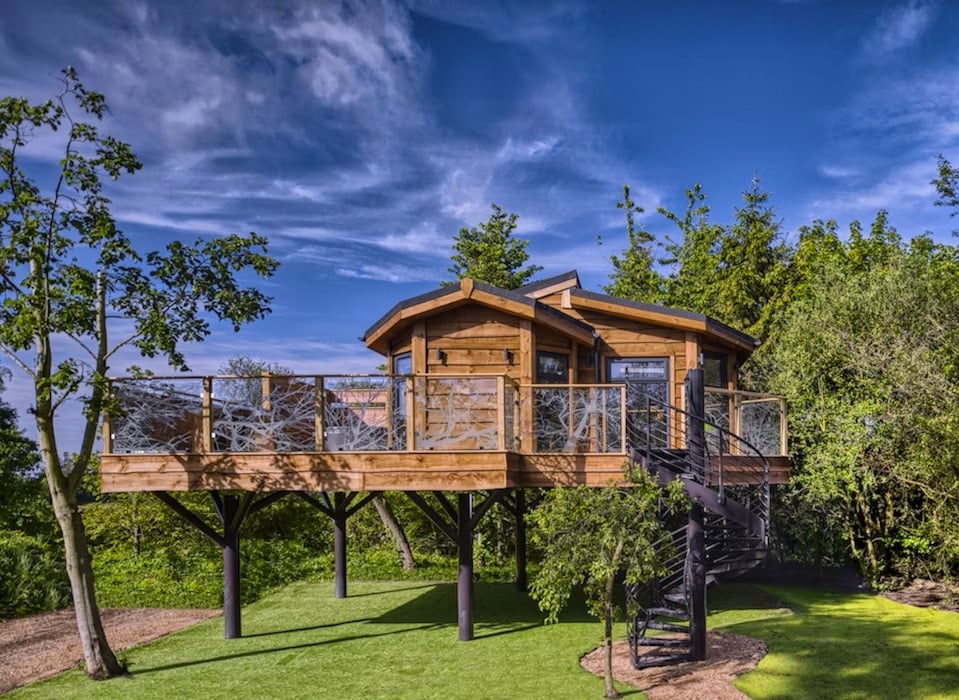
Safety First: Practical Ways to Secure Your Aerial Sanctuary
1. Rails and Safety Nets: Enjoy the Heights with Peace of Mind
Whether you have rowdy kids racing around your treehouse or adults leaning over the edge admiring the view, strong railings and optional safety nets are non-negotiable.
- Sturdy Materials: Use metal railings or high-tensile rope netting that won’t easily fray.
- Frequent “Wiggle Tests”: Give your railings and supports a firm shake at least once a season to check for looseness or instability.
Safety installations aren’t just about ticking a box. They’re about giving everyone in your family and circle of friends the freedom to relax without fear of toppling over.
2. Entrances and Ladders: Daily Wear and Tear
It’s no surprise that ladder rungs and steps take the most abuse. After all, they’re the literal gateway to your treehouse, used constantly.
- Look for Slippage: After heavy rains or morning dew, surfaces can get dangerously slippery. Anti-slip treads or grip tape are essential add-ons.
- Secure Fastenings: Screws, bolts, or nails holding each rung in place must be tightened routinely.
- Upgrade if Needed: If you notice the ladder’s too narrow or steep for comfort, consider upgrading. Safety is always worth the investment.
3. Clearly Marked Warnings and Emergency Supplies
A whimsical “treehouse vibe” and unwavering practicality don’t have to be mutually exclusive. Keep your aerial getaway fun and safe:
- Safety Signage: Simple signs reading “Hold the Railing” or “Watch Your Step” can reduce the likelihood of accidents—particularly if you host guests who are new to treehouse living.
- Emergency Kit: Stock a small first-aid kit, flashlight or headlamp, and maybe even a whistle. You never know when these items will be a lifesaver (literally!).
Keeping It Sparkling: Simple Steps for High-Vibe Cleanliness
1. Regular Cleaning: No Room for Dust and Debris
Particularly in corners and crevices, leaves, dust, spider webs, and other natural trash can rapidly gather in your treehouse. Wouldn’t you much prefer a clean, friendly environment?
- Schedule It: If you spend much time using your treehouse, make cleaning a weekly or bi-weekly habit.
- Focus on Hard-to-Reach Spots: For difficult locations such floor gaps and ceiling corners, use a long-handled brush or vacuum cleaner extension.
A tidy treehouse feels bigger, brighter, and more inviting, making all those gatherings and relaxing solo sessions infinitely more enjoyable.
2. Ventilation: Let the Breeze Flow
Airflow is your best friend in beating humidity, mold, and that musty smell that sometimes creeps into small wooden spaces.
- Windows and Vents: Design your treehouse with windows or vents on opposite sides if at all possible. Pushing stale air depends mostly on cross-ventilation.
- Natural Fans: Consider a small solar-powered fan for an off-grid solution.
Remember, fresh air is crucial not only for your comfort but also to dissuade pests that flourish in moist, stale conditions.
3. Décor and Quick Refreshes: Keep the Treehouse Feeling New
Who says maintenance is all about lugging out a toolbox? Sometimes, giving your treehouse a mini makeover can be equally transformative.
- Swap Out Decorations: Seasonal décor changes (like autumn leaves, summer flowers, or winter fairy lights) keep the ambience exciting.
- Rearrange Furniture: Move that hammock to a new angle or add a small shelf for books and snacks. Tiny alterations can create a whole new feel.
With each refresh, your treehouse becomes a blank canvas for new memories. Plus, it encourages you to inspect hidden corners while you’re at it—bonus points for stealthy maintenance checks!

Tree Health: The Powerhouse Behind Your Aerial Escape
1. Observe Your Tree’s Well-Being: Roots, Trunk, Branches, and Leaves
Your treehouse, whatever of its construction quality, is really on top of a living entity. Should your tree show sickness, rot, or damage, the stability of your construction suffers.
- Visible Rot or Fungal Growth: Watch for mushrooms or other fungi near the trunk or roots. These are often red flags.
- Branch Dieback: When branches shrivel and die unexpectedly, it might suggest deeper health issues.
When in doubt, consult a certified arborist. A professional opinion can reveal problems early, sometimes saving both the tree and your investment in the treehouse.
2. Weight Redistribution and Trimming: Don’t Overwhelm the Tree
A glorious, widespread canopy can be breathtaking, but it might also stress the trunk if the treehouse is large or if attachments are incorrectly placed.
- Strategic Pruning: Regularly trim overgrown branches, especially those tangling around the structure.
- Load-Bearing Assessment: If your treehouse design is complex with multiple platforms, ensure the weight distribution doesn’t create undue stress on certain limbs.
Striking a balance between a flourishing canopy and a safe structure is the sweet spot of treehouse design.
3. Fertilization and Water: Growing Together with Nature
Helping your tree remain robust is helpful for everyone—it stays healthy, and you get to keep enjoying a sturdy, leafy refuge.
- Seasonal Fertilizer: A balanced fertilizer promotes deeper and stronger root system development in trees during spring or early fall.
- Mind the Water: To keep the tree from drying out in especially dry conditions, water the root zone; but, be careful not to oversaturate.
By nurturing the very tree that hosts your hideout, you create a harmonious partnership that can last for decades.
Learn More: https://treelofts.com/the-oak-hollow-sanctuary-ocala-florida/
A Comprehensive Maintenance Plan: Your Blueprint for a Year-Round Gem
1. Annual Inspection Checklist: No More Last-Minute Panic
A well-outlined maintenance schedule takes the guesswork out of preserving your treehouse.
- Spring: Inspect for winter damage, repair cracks, treat for insects, and prune any dead branches.
- Summer: Amp up ventilation and check for mold or mildew. Repaint or re-stain any faded or flaking areas.
- Fall: Clear fallen leaves, renew pest control measures, and reinforce the roof before winter storms.
- Winter: Monitor for snow and ice buildup. If conditions are extreme, limit usage to prevent stress on both the structure and the tree.
2. Document Everything: Build Your “Treehouse Health Record”
Ever replace a rotting beam only to forget the brand of wood or the type of sealant you used? Detailed records make future upkeep a breeze.
- Logbook: Write down every repair, from minor fixes to major renovations.
- Photo Evidence: Snap before-and-after pictures to track subtle changes over time.
Think of it as having a personal medical chart for your treehouse—only you’re the doctor, caretaker, and proud owner all in one!
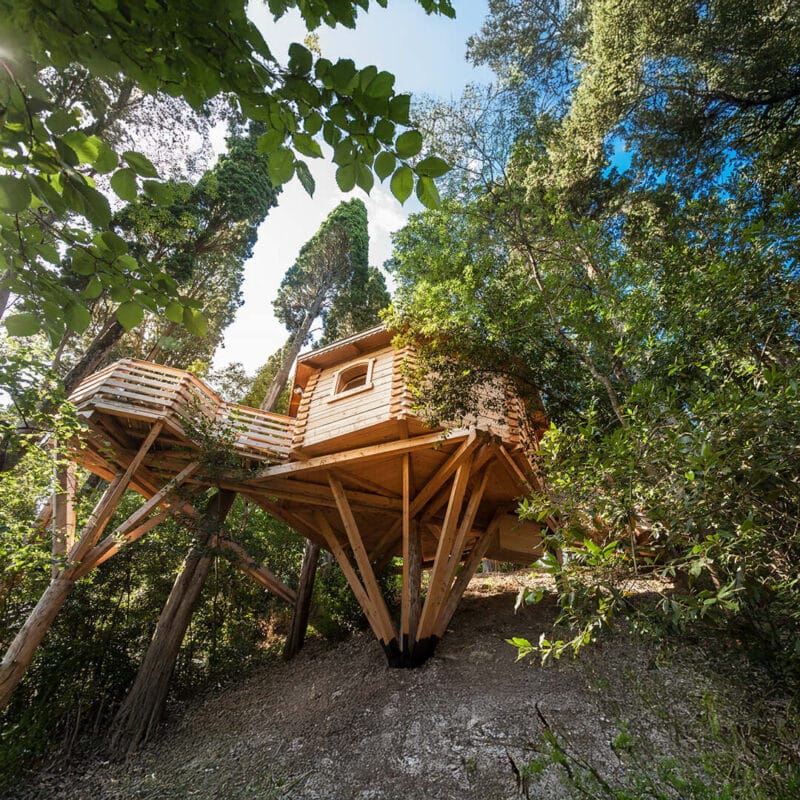
Revamps and Remodels: When Is It Time to Give Your Treehouse a Facelift?
1. Subtle Upgrades: Lighten the Load, Boost the Wow Factor
Not all treehouse makeovers call for demolishing walls or building whole new levels. Sometimes small-scale initiatives have a significant impact:
- Lighter Furniture: Replace heavy hardwood chairs with robust fold-out seating or wicker resistant for the elements.
- Platform Extensions: A modest extension can offer up space for a small seating area or reading nook—assuming the tree can withstand the added weight.
When you approach remodeling, think about what complements the existing structure while offering new ways to enjoy your leafy domain.
2. Major Overhauls: Embrace Modern Materials and Techniques
If your treehouse is exhibiting indications of major aging—like widespread decay or outmoded design—don’t be afraid to go for a full-scale overhaul.
- Reinforced Framing: Add steel brackets and beams to replace weaker wooden components.
- State-of-the-Art Coatings: Invest in cutting-edge wood preservatives and corrosion-resistant treatments to extend the life of the treehouse ten-fold.
Combining creative materials with expert workmanship can basically give your treehouse a second life, replete with contemporary conveniences and improved durability.
Conclusion: Be the Guardian of Your Treehouse—Let Nature’s Magic Live On
More than just wood and nails, a treehouse represents. For daydreamers, families, and friends equally, it represents the wistful junction of adventure and reminiscence, a haven. Treating your treehouse with continuous love and care can help you to preserve that sense of surprise and delight. Part of this sincere dedication are regular inspections, proactive treatments, safe design elements, and a close relationship with the living tree anchoring it.
So, where do you go from here? Step into the role of caretaker with pride! Every brushstroke of weatherproof paint, every time you tighten a wiggly bolt, you are preserving more than just a structure—you are protecting a space for cherished moments to flourish. The reward? A dreamy perch that continues to dazzle in the sunshine, sparkle in the rain, and invite heartfelt laughter and storytelling among the leaves.
Ready to Level Up? Consider TreeLofts for Expert Guidance and Custom Solutions
Though you are bursting with ideas, you are a little unsure about the minute details. Perhaps your current treehouse needs a significant makeover, but the sheer opportunities overwhelm you. That’s where TreeLofts comes in. Our areas of expertise are precisely and creatively planning, so that every project blends naturally with its environment.
When you choose TreeLofts, you get:
- Professional Input: Our team consists of architects, engineers, and arborists who collectively address your treehouse’s unique needs.
- High-Quality Materials: We use durable, eco-friendly materials designed to maximize both safety and aesthetic appeal.
- Personalized Vision: Whether it’s a cozy nook for reading or an expansive multi-level haven for family gatherings, we bring your dream to life.
If you want to preserve or change your treetop haven, contact TreeLofts right now. From first consultation to last coat of sealant, we will walk you methodically so you may boldly sit amid the branches without thinking about what is holding you back.
Because let’s face it—when it comes to your treehouse, only the best will do. And with ongoing care and expert insights, there’s no limit to the memories and joy your treehouse can provide for years to come.

Frequently Asked Questions
Should maintenance problems arise in a tree home, how often should it be checked?
Minor issues call for a monthly visual check; more thorough seasonal evaluations in spring and autumn. An annual expert assessment guarantees also quick resolution of hidden or developing structural issues.
Which materials are best for stopping wood rot?
Naturally resistant to degradation, wood species like cypress or cedar do well. Also durable are pressure-treated timber and composite decking. Frequent application of protective finishes helps to further guard surfaces from moisture damage.
How can owners prevent pest problems on higher buildings?
As does early warning sign detection, encouraging the use of physical barriers as mesh coverings and sealants around apertures helps. Other strategies to keep bugs away are natural repellents (e.g., cedar chips) and sporadic professional extermination.
Can one build water drainage systems on a tree house?
Definitely. Rainfall can be guided away from key support points by overhangs, gutters, and downspouts. Especially for larger projects, carefully planned drainage systems help greatly reduce rot and foundation stress.
Should usage change, do tree homes require further reinforcement?
Perfect. Owners should see a professional to review load distribution if the structure moves from light personal use to hosting several guests. To properly handle more occupancy, beams, brackets, or hardware may need upgrading.
