


Have you ever entered a tree home, felt a light breeze brushing your skin, and found you might never want to leave? Being cradled by nature while delicate gusts of wind dance across the trees has a clearly mystical quality. It’s about accessing a basic feeling of freedom and peace, not only about comfort. A tree house devoid of fresh air is like a bird without wings—technically alive but devoid of the element allowing it to really soar. How to Enhance Natural Ventilation in Tree Houses?
If you yearn for the outdoor lifestyle or visions of an ideal retreat far above the ground, then you really need to maximize natural ventilation. With a few thoughtful considerations regarding location, design, and material choices, you can turn your tall residence into a breezy paradise. Fascinating how? Here we are to help you methodically.
Starting from choosing the ideal location to weave in creative design ideas, this blog will lead you through the principles of maximizing airflow in your tree home.We’ll also take a look at how humidity control and innovative gadgets can ensure your woodland escape stays fresh and inviting, even when Mother Nature decides not to blow her cooling breath your way. By the end of this post, you’ll have a solid grasp on the essentials of natural ventilation, ready to turn your suspended retreat into the ultimate canopy getaway. And if you find yourself itching for professional input, remember that the expert team at TreeLofts is always just a click away.
About ready to let the breeze lead you? Let’s explore how to design a tree house that breaths as naturally as you do.
Is a Tree House Without Fresh Breezes Still a Tree House? — The Importance of Natural Ventilation
Picture this: You’ve created a lovely tree house high on sturdy branches, complete with panoramic views of verdant woodland. Every time you enter, though, the air seems stifling and stale. Where did you erode yourself?The answer lies in natural ventilation—a concept that is incredibly easy to overlook but absolutely essential to the authentic tree house experience.
Health and Comfort
The best line of protection against mold, mildew, and residual smells is a constant fresh air flow. Tree homes are ideal for moisture accumulation since they usually sit among thick vegetation with little sunshine reaching the canopy. Inviting natural airflow not only makes the area more comfortable but also guarantees a better interior environment for your family, any lucky visitors, and you.
Energy Efficiency
Should your tree house have inadequate ventilation, the inside could stay clammy during wet spells or heat like an oven in the summer. Rather than pushing up your energy bills or turning on the A/C or installing a dehumidifier, why not let nature do the heavy work? Good ventilation will help you live somewhat greener by greatly lowering your dependence on synthetic climate control.
Deep Connection with Nature
Isn’t the main goal of a tree house—to get closer to nature? Designing with ventilation in mind helps you to promote a constant conversation between your living area and the surroundings—gentle breezes, quiet rustling leaves, and birdcalls become part of your daily soundtrack. Seeing the trees through a window is not like really living among them.
The Tree-Human Balance
Trees themselves require breathing room as well. Good air flow protects the live trunk and canopy supporting your refuge. Thoughtful planning of your ventilation system helps you to honor the ecosystem that first makes possible your tree house.
If you can’t picture living without these refreshing breezes and want to ensure you’ve covered all the basics, don’t hesitate to call out to TreeLofts for professional help. Building a tree home that is really alive with wind and awe is more than simply a project; it’s a way of life in balance with the surroundings.
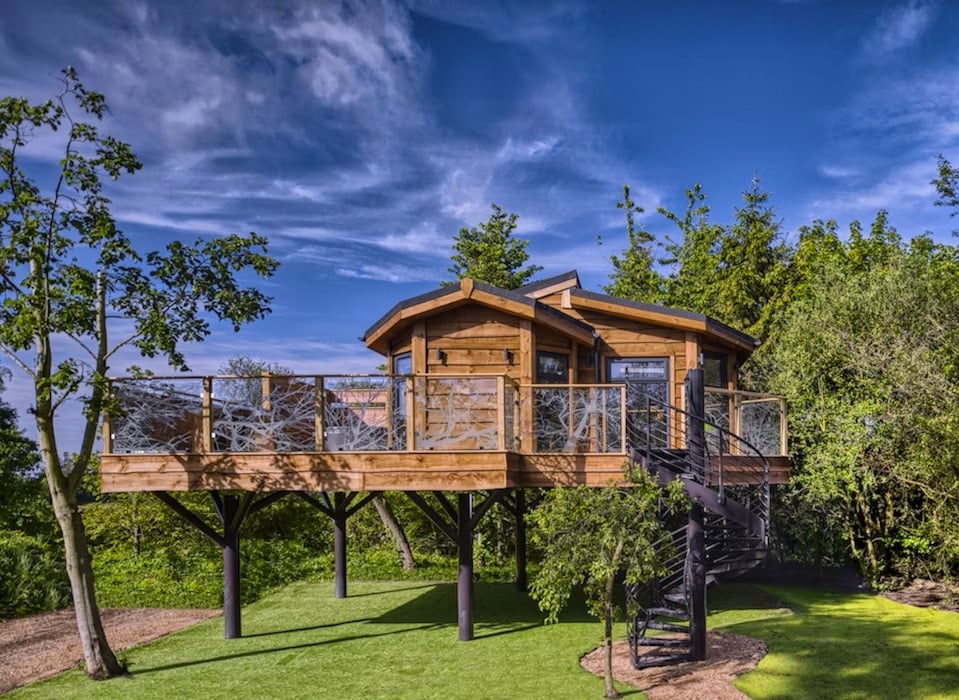
Winning From the Starting Line: How to Choose a Spot That Practically “Comes With Its Own Wind”
Though building a tree home is an adventure, choosing the perfect site can be the epic prelude to that journey. Being strategic right from the start is quite vital since your selected location will affect everything from general stability and wind flow.
Harnessing Wind Direction
Start by doing a little detective work. Which direction do local breezes typically come from? Are there seasonal wind shifts you need to consider? If you place your main openings—like windows, doors, or large venting panels—in the path of the most frequent wind flow, you’re automatically setting yourself up for success. This approach lets nature do the bulk of the ventilation work so you can relax and enjoy the breeze.
Let the Terrain Work for You
Perhaps your future tree house site is on a gentle slope, near a stream, or close to a clearing. Each of these features can influence how air travels. For instance, valleys can direct wind currents through narrow paths, amplifying airflow, while wide clearings reduce obstacles to wind movement. By understanding the specific strengths of your terrain, you can position your tree house to maximize that precious airflow—without sacrificing any of that snug, tree-hugging magic.
The Healthy Tree Factor
Don’t forget: The tree or trees you select must be strong and disease-free. A robust canopy might be wonderful for shade, but if it’s too thick, it might hinder good airflow. On the flip side, a thinner crown could welcome more breezes but might need extra structural support. Consider getting an arborist’s opinion or having an experienced team like TreeLofts evaluate your options. Their insights can save you from structural headaches and ventilation problems down the road.
What’s Better Than the Wind Whispering in Your Ear? — The Key Structural Designs for Better Airflow
So you’ve found the ideal location—now it’s time to turn that site into a breezy haven. Design can make or break your ventilation goals, and the beauty of a tree house is that you can let your creativity run wild. Why build a humdrum box when you can craft a whimsical retreat that also boasts stellar airflow?
Embrace an Open Concept
Traditional houses often rely on enclosed rooms and rigid walls. Tree houses, though, are your chance to ditch the conventional. Strategic window placement, big open spaces, and low interior partitions let air run wild. A little breeze coming from one side won’t be caught; it will glide across and leave on the other. The result? A draft that keeps every corner feeling fresh.
Multi-Level Platforms
Some folks assume a single, compact structure is all you can manage in a tree. But a multi-level or tiered design can actually improve ventilation by allowing hot air to rise to an upper platform and exit through vents or openings there. Meanwhile, cooler air will cycle in at the lower level. Beyond practicality, multiple levels also make for one seriously cool “treetop city” vibe.
The “Venturi Effect” in Action
The Venturi effect—where wind speeds up when driven through a limited area—allows narrow paths or corridors between components of your tree house to speed airflow. Careful placement of these “wind tunnels” allows you to focus airflow into particular regions, including as sleeping loft or living space. Consider them as naturally occurring air conditioners, free of a carbon imprint.
High Ceilings and Venting Skylights
Heat rises, so if your roof is low and flat, you risk trapping hot, stagnant air near the ceiling. Consider building a higher roof profile with vents or skylights at the peak. Hot air will naturally escape, and you’ll enjoy better temperature regulation without flipping a single switch. Plus, who doesn’t love an unobstructed view of the stars from their cozy perch?
In short, a tree house designed with airflow in mind is a place you’ll never want to leave. If you’re uncertain about structural feasibility or need an expert eye, TreeLofts can help you map out a design that merges imagination, safety, and efficient ventilation—all in one dreamy package.

Let Your Tree House “Breathe”: Material Choices That Make All the Difference
Ever walk into a space that feels stuffy from the get-go, even with the windows wide open? Materials can make or break your quest for a fresh, airy interior. In a tree house—where nature is your closest neighbor—picking the right construction elements can amplify your ventilation strategy, keeping things light and breezy.
Light, Breathable Wood
Choose lumber varieties known for durability and a certain level of breathability. Cedar, pine, or teak, for example, resist moisture and decay fairly well. Try to get from vendors FSC (Forest Stewardship Council) certified. Using top-quality wood will not only increase the lifetime of your tree house but also help to preserve the forests initially necessary for its existence.
Glass and Screens: A Balancing Act
Large windows with screens are lifesavers for achieving optimal airflow without inviting a swarm of insects to dinner. Going heavy on glass can grant you panoramic views and abundant light, but be mindful of heat buildup. Ensure these windows can open at least partially for ventilation and are paired with screens to keep pests at bay. You get the best of both worlds: scenic vistas plus a continuous breeze.
Eco-Friendly Finishes and Sealants
High humidity is a frequent challenge in tree house settings. Using water-repellent stains, anti-fungal sealants, or specialized coatings can keep rot and mildew at arm’s length. Sealants that allow wood to “breathe” rather than trapping moisture inside help you maintain dryness while still letting air circulate. Aim for low- or zero-VOC options to keep your indoor air quality as pure as possible.
The Preventive Power of Anti-Mold Measures
An often-overlooked aspect is the layering of defensive treatments. Even if you’ve chosen top-notch wood and installed high-quality screening, an occasional tropical storm or wet season can wreak havoc on your structure. Consider adding additional mold inhibitors or moisture-control membranes in key places like the foundation, joints, or any spots where water might pool.
Learn More: https://treelofts.com/the-woodland-adventure-treehouse/
Wind, Light, Greenery—A Three-in-One Experiment With Nature’s “Ventilation Team”
Natural ventilation transcends simple window placement in certain areas. Every component of your surrounds—wind, sunlight, and plant life—in a tree home can be used for optimum ventilation.Think of them as partners in a grand experiment, one that yields a cooler, fresher living space without sacrificing the dreamy forest ambiance.
Smart Window Placement for Cross-Breezes and Light
Don’t just rely on a single large opening. Space out multiple windows on different walls to encourage cross-ventilation. Align these openings so that wind enters from the prevailing direction and exits elsewhere, creating a continuous current. Meanwhile, let dappled sunlight inside to regulate heat. The interplay of light and wind transforms your space into a living painting of moving shadows.
Using Greenery to Cool the Air
Rising vines, big leafy plants, even a small rooftop garden will help lower surrounding temps. Your tree home stays cooler and breezes can work more easily if you shade direct sunlight. Along a wall, a few potted plants on a balcony or vertical garden can also filter the air, eliminate toxins, and create a lush vibe. Just be careful that too dense vegetation is not obstructing airflow.
Green Roofs and Living Walls
If you’re feeling bold, think about a green roof topped with succulents, herbs, or grass. These configurations maximize the insulating value of your tree home, collect rainfall, and absorb heat.Similarly, living walls (vertical gardens) can add an insulating layer while still allowing air to circulate. The result? A natural cooling mechanism that works in tandem with the wind to keep you comfortable.
The Role of Shade and Sunlight in Ventilation
Full sun exposure can fry the inside of your tree home in hot regions, rendering it a steamy hothouse. Use awnings, shadow sails, or above vegetation to control direct sunlight intake. Don’t totally cover it, though; some sunshine helps evaporate moisture and keeps the surroundings from becoming dreary or depressing. Try for a harmonic equilibrium whereby filtered light improves airflow and helps to avoid that sauna-like sensation.

Humidity Strikes—Can Your Tree House Successfully Hold Its Ground? A Complete Guide to Moisture Control
Ah, humidity. Sometimes, even the most well-designed ventilation system can’t beat a climate that’s perpetually moist. In tree houses, elevated humidity isn’t just a comfort issue—it can also lead to mold, wood rot, and a general sense of stuffiness that undermines all your ventilation efforts. So how do you keep dampness at bay?
Damp-Proofing From the Start
Think about including a damp-proof membrane in the core construction before you even lay floor or walls. This serves as a protective shield, stopping upward leaking ground moisture or condensation. You are not immune to sly water vapor just because you are off the earth.
Strategic Door and Window Management
In very humid or hot areas, sometimes timing is everything. Shut windows and doors in the warmest of the days to keep humid air out; then, open them at night when the air is rather drier.This simple practice can make a noticeable difference in how clammy your tree house feels.
Dehumidifiers, Nature’s Allies
If the humidity is relentless, a compact dehumidifier may become your best friend. There are even solar-powered or battery-operated models if you want to stay off-grid. Plus, if you place a dehumidifier strategically near the areas most prone to moisture, you can preempt mold growth. Combine this with an occasional burst of cross-ventilation, and you’ve got a winning strategy.
Routine Check-Ups
Wood, being a natural material, can warp, expand, or develop fungus if left unchecked. Schedule routine inspections—especially in corners, behind furniture, and near the base of supporting branches. If you find any suspicious spots, treat them promptly with mold-killing solutions or wood preservatives. A quick fix now can save you from hefty renovations down the line.
Those Tiny Creative Touches—Turning Your Tree House Into a Ventilation “Powerhouse”
Ventilation isn’t only about big-ticket items like windows, fans, and building materials. Sometimes, the smallest design details can have a surprisingly large impact on your tree house’s airflow. Ready to add some flair to functionality?
Movable Screens and Shutters
What if you could modify the apertures of your tree home depending on the time of day or the wind direction? Customizing your airflow is easy with lightweight shutters, slide-away walls, or removable screens. While late afternoons could benefit from partial closures to block off harsher sunlight or wind gusts, mornings might call for open shutters to embrace the cool breeze.
Foldable or Sliding Wall Panels
Imagine a wall that you could simply pull back to combine your indoor environment with the nearby forest. In addition to double as panoramic picture windows, sliding or folding wall panels improve your air circulation. Simply fold them back when you’re craving that wide-open feel, then tuck them in when you want a cozier vibe.
“Wind Gardens” and Aromatic Plants
Why not let every wind blast become a fragrant delight? Near windows or vent openings, arrange fragrant herbs like basil, mint, or rosemary. Every time a breeze picks up, it will spread those wonderful smells across your house. These herbs also provide a different spin on every meal as they are not only for display; you can use them for cooking or tea.
Quirky DIY Décor
From a little wooden mobile that whirls to dangling bamboo chimes that tinkle with every blow, whimsical details provide visual and aural signals to the flow of wind. This turns ventilation from a background process into an intensive sensory experience. It also gives your tree house the impression of a dwelling vibrantly alive and in time with the rhythms of the forest.
When done right, these creative flourishes bridge the gap between form and function. They prove that “breathing” architecture can be joyful, adaptable, and personal. If you’re looking for innovative ways to incorporate these flair-filled elements, TreeLofts has a treasure trove of design ideas to make your tree house a ventilation-friendly masterpiece.

Finished? It’s Only the Beginning! — Let Nature’s Breeze Write the Next Chapter of Your Tree House Life
Congratulations! You’ve journeyed through site selection, structural design, material choices, humidity control, and creative finishing touches. Yet in many ways, this is just the start of your tree house adventure. Few earthly homes can equal the daily sense of amazement you experience when your living area breaths with the wind—welcoming delicate breezes at daybreak and mild blasts beneath moonlight.
Natural ventilation invites a very personal connection with the surroundings rather than only a mechanical addition-on. Every day you will hear the rustle of leaves, smell the moist ground following rain, and feel that breezy kiss on your skin as though the forest were personally greeting you. Your breezy tree house becomes a haven for re-centering and recharging in a world overrun with concrete walls and manufactured luxuries.
Still have questions or need a professional helping hand to turn your treetop dream into a breezy reality? Look no further than TreeLofts. Their seasoned experts excel at blending form, function, and ecological respect—ensuring your tree house is not just a structure, but an immersive experience in the canopy.
After all, life is better when it’s lived a bit closer to the heavens. Go ahead: fling open those windows, savor the swirl of leaves, and let every breath of fresh air remind you why you created this raised refuge in the first place.
FAQ
In rather hot environments, can natural ventilation by itself keep a tree house comfortable?
Indeed, however to control peak temperatures it might also be necessary to combine it with shading techniques and well-placed vents. When breezes are few in very hot areas, adding reflective roofing or modest solar-powered fans might help to augment natural airflow.
For best cross-breeze maximization, which window designs?
Especially if situated toward prevailing winds, casement windows that swing outward can efficiently catch and direct breezes indoors. Sliding screens or louvered windows, which provide changeable opening sizes and angles, also work well, nevertheless.
How can I discourage insects while yet promoting adequate airflow?
Key is mounting quality mesh screens over windows, louvers, and vent apertures. If you reside in a place where very tiny insects abound, choose fine-gauge screens. Make sure any doors you leave open also feature screened doors to stop access.
Do I need expert assistance to examine my property’s wind patterns?
Professional wind studies can be quite helpful whether your site is complicated or you want a significant commercial development. For smaller personal initiatives, local resources, microclimates, and observation of local breezes frequently suffice. You can also play about with test openings before deciding on permanent designs.
