


Close your eyes to see the ideal tree house. Sunbeams dancing over branches, warm wooden flooring beneath, and a cosy nook softly swinging in the breeze could all be seen.But have you ever paused to consider what’s overhead? The roof of your beloved treetop hideaway does so much more than cap things off with style. It’s your first line of defense against rain, wind, and extreme weather. It even influences the tree house’s interior temperature and mood! The innovative roofing solutions for tree houses is very important!
Historically, many folks got so swept up in the fantasy of living among the leaves that they skimped on roofing design—ending up with leaky ceilings or subpar insulation. These issues can quickly zap the magic from your sky-high escape. There’s no need to accept a weak roof in the tech-forward, environmentally aware society of today. Roofing has evolved from an afterthought to a design vital from modern materials and energy-efficient add-ons to captivating forms that mix with the forest canopy.
But how do you pick a roofing system that marries aesthetics with durability, especially when your structure is perched among living trees? That’s precisely what we’ll dive into. This blog looks at several roofing materials, new technology, design ideas, and best practices to make sure your tree house roof lasts for many years. You are in the correct place if your fantasy is of a treetop paradise fit for Instagram that is also rock-solid!
And if you’re craving some personalized guidance or pro-level craftsmanship, keep an eye out for how Treelofts can help. Let’s lift the veil on your tree house’s crowning glory and delve into the wondrous world of innovative roofing solutions!
Traditional vs. Modern: The Evolution of Tree House Roofing
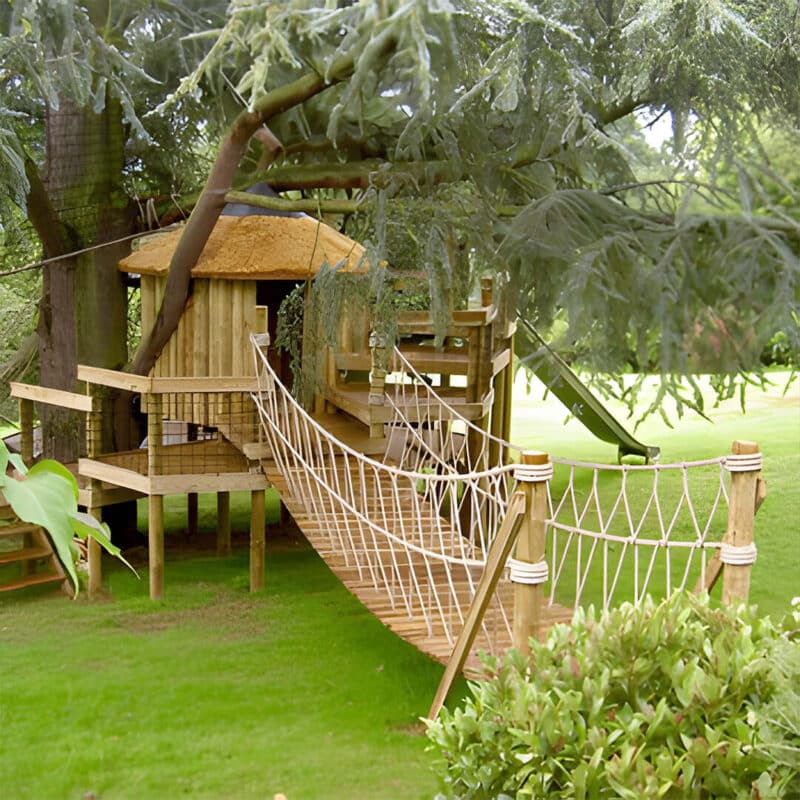
Early on, tree houses were simply planks of wood battered together, covered off with simple materials like thatch, shingles, or even leftover tarp. Though they typically lacked utility, these roofs might have satisfied a child’s fantasy of a secret hiding. These days, we have an amazing array of roofing choices that combine modern dependability with old-fashioned appeal.
Rustic Beginnings: Thatch, Wooden Shingles, and Nostalgia
A thatched or wooden-shingled roof defines “storybook tree house.” They radiate a certain mythical beauty, evocative of old woodland houses. Older materials do, however, have some restrictions.
- Maintenance Overload: Thatch requires regular combing and patching to prevent leaks.
- Vulnerability to Moisture & Pests: Wood can warp or attract insects if not properly treated.
- Limited Lifespan: While visually appealing, traditional materials may degrade more quickly unless meticulously cared for.
The Age of Modernity: Metal Sheets, Asphalt Shingles, and Beyond
Fast forward to the present day, and you’ll find tree house roofs sporting corrugated metal panels or asphalt shingles—materials once reserved for standard homes. These modern solutions emphasize:
- Longevity: Metal and asphalt can often withstand the elements for decades.
- Enhanced Waterproofing: Advanced coatings help repel water and discourage mold growth.
- Easier Maintenance: Modern roofs generally require far less upkeep than rustic alternatives.
Bridging Heritage and Innovation
Can’t decide between traditional charm and modern efficiency? Opt for a hybrid approach. For instance, layer a thatch-inspired veneer atop an underlying waterproof membrane. You’ll capture that rustic, forest-cabin look while enjoying the practical advantages of new materials.
Ultimately, the evolution of tree house roofing is about pairing the best of both worlds: the visual warmth of simpler times with the high performance of cutting-edge manufacturing. And that’s where Treelofts enters the picture—helping you find just the right balance of old and new, function and flair.
Waterproofing, Insulation, and Aesthetics: The Three Pillars of Great Roofing
Consider your choice of roof for your tree house as providing the ideal helmet for your “castle among the clouds.” It should keep you dry, comfortable, and styling—no small feat when perched amidst fluttering leaves and shifting weather. Let’s break down these three crucial elements:
Keeping It Dry: Waterproofing Essentials
Any roof’s most clear purpose is probably to keep water where it belongs: outside!
- Seals and Membranes: Superior underlayment serves as your main roofing material’s watertight barrier. This keeps renegade moisture out through small cracks.
- Slope & Drainage: Even a slight pitch can usher rain and snow away from the surface before it accumulates. Adding gutters or drip edges helps direct water runoff away from sensitive supports.
- Periodic Inspection: A roof may develop minor leaks over time—particularly with organic materials like wood or thatch. Catching them early keeps small fixes from becoming big problems.
Temperature Control: Insulation and Ventilation
Yes, you can absolutely bake up in a tree house if you’re not careful, especially under direct sunlight. Conversely, cold snaps can sneak in if insulation is neglected.
- Foam boards, fiberglass batts, or environmentally friendly wood fiber panels all assist control inside temps.
- Reflective coatings let some surfaces reflect sunlight, so keeping your canopy hideaway cooler on hotter days.
- Roof vents and soffit holes move air, therefore reducing heat accumulation and discouraging the growth of mold.
Looks That Thrill: Making a Statement with Your Roof
Finally, a roof’s aesthetic is a golden opportunity to add flair. Why not stand out or blend in?
- Camouflage or Contrast?: Some prefer earthy tones that vanish into the treetops, while others love bold contrasts that highlight the structure.
- Curves, Arches, or Multi-Tiered Designs: Instead of a basic rectangle, explore shapes that mirror the organic lines of branches or the swirl of tree bark.
- Natural Accents: A few well-placed wooden beams or a partial thatched accent bring warmth and uniqueness.
Learn More: https://treelofts.com/the-maple-ridge-treehouse-asheville-north-carolina/
Creativity Meets Technology: The Dawn of “Smart Roofs” for Tree Houses
Gone are the days when living in a tree house meant sacrificing convenience or modern gadgets. Innovative roofing solutions can be surprisingly tech-savvy, letting you tune into your structure’s status and adapt to weather conditions—almost like having a digital butler in the treetops!
Automated Skylights and Rain Sensors
Imagine a roof that responds to the environment:
- Motorized Skylights: These let you stargaze at night or funnel in cool breezes by day. Equipped with sensors, they’ll seal shut automatically if rain starts drumming on your roof.
- Rain Detection Systems: Keep interior dryness on autopilot. No frantic scrambles to cover furniture when that rogue thunderstorm appears!
Solar Panels & Micro Wind Turbines
Dreaming of off-grid living among the branches? Renewable energy solutions are more compact than ever:
- Rooftop Solar Arrays: Efficient, flexible panels mount neatly on your tree house roof, generating enough electricity for lighting or small appliances.
- Mini Wind Turbines: In breezier locales, a modest turbine can supplement your power. The synergy with solar creates a reliable energy cycle year-round.
Intelligent Materials and Coatings
Technological leaps have birthed futuristic roofing products:
- Heat-Reflective Paints: They adjust to rising temps, reflecting harsh sunlight before it seeps indoors.
- Shape-Shifting Tiles: Experimental materials that expand or contract based on humidity levels, potentially opening up vents for natural cooling.
Eco-Roofs: Bringing Forest Vibes Up to the Canopy
Why not let your roof reflect that earthy perspective as well? You are building a tree house to fully appreciate the beauty of nature. Now arrive the eco-roof, a live, breathing layer of vegetation or plant-friendly materials atop your treetop hideaway.
Green Roof Basics
A “green roof” typically involves installing a waterproof membrane, a layer of growth medium, and carefully selected plants that flourish with minimal maintenance. Common variants include:
- Hardy succulents or mosses suited for shallow soil make up moss or sedum blankets.
- Perfect for creating a flash of seasonal color, wildflower mixes help pollinators including bees and butterflies.
- Herbal or Vegetable Gardens: If your building and environment let, you might even plant fresh herbs for cooking.
Environmental and Personal Benefits
Beyond aesthetics, going green on top offers real perks:
- Plants naturally cool indoor temperatures by absorbing sunlight, therefore lessening heat island effects.
- From hummingbirds to helpful insects, a mini-ecosystem of pollinator-friendly plants can increase local fauna by air purification and biodiversity.
- Walking out into a little roof garden has a really calming effect. It even more intimately combines your living area with the forest canopy.
Practical Considerations
Green roofs add extra weight and require thoughtful engineering:
- Load-Bearing Calculations: Especially under water-saturated conditions, soil and mature plants can be shockingly hefty.
- Enough drainage is essential to prevent water from pooling and therefore jeopardizing the structural integrity of your roof.
Want a living roof that blurs the line between your tree house and the surrounding forest? Treelofts is adept at balancing the ecological dream with the necessary structural complexities. We can help you craft a one-of-a-kind, plant-topped haven that merges seamlessly with the natural world below.
Extreme Climates: Battling High Winds, Downpours, and Snow Loads
One reality check for any elevated structure: Mother Nature can be hostile, particularly from above in the canopy. Strong against unexpected gusts of wind, heavy rain, and winter snows, tree house roofs have to be Appropriate care can help to prevent these obstacles from literally pouring on your parade.
Taming the Wind: Aerodynamic Roof Shapes and Reinforced Supports
- Simplified Profiles: A gently sloped or curved roof helps cut wind resistance, so less likely to be rattling or tearing in storms.
- In severe winds, heavy-duty brackets, tie-downs, or tension cables anchor the roof from lifting off.
- Some contemporary roofing systems have flexible connections to allow little tree movement, therefore preventing cracks or splits.
Rain & Flood Prevention: Solid Drainage and Seamless Sealing
- Gutter Systems: Small, discreet gutters or channels can shuttle rainwater away from the trunk and foundation. Consider hooking them up to a rain barrel if you want eco-friendly water reuse.
- Flashings and Caulk:Spend effort closing possible leak sites, particularly where the roof meets chimneys, skylights, or trees.
- Roof Pitch: A steeper slope helps water run off quickly, limiting the chance of pooling or waterlogging.
Snow and Ice: Managing Weight Loads in Colder Regions
- Load Calculations: Wet, heavy snow can add hundreds of pounds to your structure. If you live in a snowy climate, plan for that weight from the get-go.
- Heated Roof Cables: In particularly frigid conditions, heated cables can prevent ice dams from forming along roof edges.
- Double Insulation: Keep interior warmth stable so you’re not dealing with uneven melting or condensation issues.
For climates prone to weather extremes, professional input is invaluable. Treelofts prides itself on offering location-specific solutions that factor in wind exposure, rainfall averages, and snowfall projections—ensuring your tree house roof stands tall through all four seasons.

Roof Design Meets Overall Style: From Fairytale Cottage to Futuristic Pod
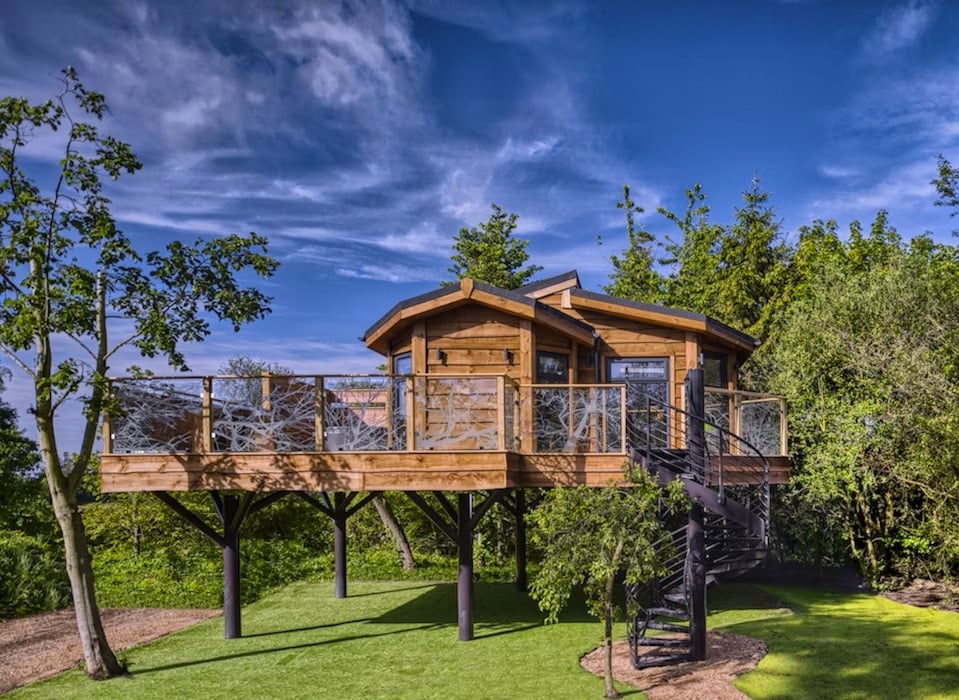
A roof isn’t just a functional necessity—it’s also an aesthetic star player that shapes your tree house’s overall vibe. It can turn your nest in the branches into a quaint country cottage, a sleek contemporary escape, or a jaw-dropping fantasy structure that belongs in a sci-fi novel.
Harmony with the Forest: Subtle Blending
- Natural Colors & Materials: Earth-toned tiles or shingles help your tree house fade into the foliage for a discreet hideaway.
- Biomimicry: Designing roof lines to mimic leaf patterns or branching shapes adds a whimsical, organic feel.
- Minimalist Lines: If your goal is total camouflage, keep lines clean and minimal so the surrounding branches remain the main attraction.
Bold Statements: Architectural Showstoppers
- Geodesic Domes or Spiral Roofs: Eye-catching geometry can create a sense of awe.
- Contrasting Tones: Make the roof pop with vibrant colors or reflective metals that shine in the morning sun.
- Multi-Layer Tiers: Layering sections of roof at varied heights adds dimension, tricking the eye and creating multiple vantage points for gazing at nature.
The Inside-Outside Connection
Remember, your roof also shapes the atmosphere inside:
- Arching roof lines of a cathedral ceiling open the inside and let light flood in, therefore providing grandeur.
- Wooden rafters can accentuate workmanship and introduce an outdoory look into your house.
- Expanding your perspective of the canopy, skylights and clerestory windows allow you follow migrating birds or drifting clouds.
Whether you want your tree house to whisper “quaint woodland cottage” or shout “visionary architectural marvel,” designing your roof in tandem with the overall structure is key. That’s precisely where Treelofts excels—blending function, style, and creative flair to craft a roof that matches your dreamlike concept to a T.
Construction and Maintenance: Keeping Your “Creative Roof” Sparkling for Years
So, you’ve picked a fabulous roofing concept. Great! Now let’s talk about the next big question: Who’s going to build it, and how will you maintain it?
DIY vs. Professional Builders
- The DIY Appeal: There’s a certain charm in rolling up your sleeves. However, roofing requires knowledge in structural engineering, waterproofing, and sometimes harness-based safety measures. Going the DIY route might be riskier for novices.
- Professional Expertise: Skilled builders bring specialized tools, tested methods, and in-depth experience. They can often complete projects more swiftly and with fewer costly mistakes.
- Hybrid Approach: You can still inject your personal flair—like custom paint or décor—while leaving the critical roofing framework to the pros.
Materials Durability and Routine Checks
Even the best-designed roof is subject to wear and tear from the elements.
- Annual or Biannual Inspections: Look for shingles curling up, metal joints rusting, or organic debris piling on the roof surface.
- Proactive Repairs: Address small leaks or cracks quickly. Water infiltration can damage structural components, leading to more expensive fixes down the line.
- Clean-Up & Leaf Removal: Especially critical in forested areas. A clogged gutter or a moss-covered patch can become a breeding ground for rot or unwanted critters.
8.3 Protective Coatings and Reapplication
Many modern roofing systems include specialized coatings that degrade over time.
- Reapply Sealants: A fresh coat every few years can renew waterproofing, fill hairline cracks, and extend the roof’s lifespan.
- Defend Against UV: Prolonged sun exposure is more strong at higher elevations. UV-protectant coatings can help your roof preserve its color and structural integrity.
Conclusion: One Roof Away from a World of Happiness—or Headaches
Imagine arriving at your tree house on an afternoon of rain. The soothing sound of droplets pattering on a well-crafted roof lulls you into relaxation—no leaks, no drama, just you and nature in perfect harmony. On the other hand, consider the devastation if the same raindrops begin to leak through your little haven. Truly, a roof might be the deciding difference between daily delight and persistent tension when it comes to your tree house experience.
Throughout this article, we’ve explored traditional vs. modern materials, the crucial trifecta of waterproofing-insulation-looks, the rise of “smart” roof tech, eco-friendly plant-covered surfaces, extreme weather survival, and the interplay of roof design with overall aesthetics. If you’re feeling a rush of inspiration (or maybe just a slight twinge of intimidation!), rest assured that all these topics are part of a single overarching objective: giving you the best possible roof for your private nest in the sky.
Still not certain which roofing material suits your micro-climate? Intrigued by living roofs but worried about structural load? Eager to incorporate solar panels or futuristic retractable skylights, yet unsure where to begin? That’s exactly where Treelofts can step in as your guiding light. Their seasoned team specializes in turning imaginative ideas into architectural reality—balancing practical constraints with artistic flourishes so your new “upper realm” stands strong against the elements and shines in every possible way. You can contact us!
So embrace your sense of discovery, challenge design limits, and make investments in a roof that shields not just your tree house but also the priceless memories you will capture inside. Especially when you trust the correct experts to keep the rain out, the heat in, and the ambiance absolutely magical, every day may feel like a happy, nature-infused getaway when you live among the branches.
FAQ
For a tree house, what elements define the ideal roof design?
The desired aesthetic all depends on climate (rain, snow, wind), host-tree species, occupier demands (such year-round living vs. occasional use), and the While curved or dome forms could complement some architectural ideas, a pitched roof fits heavy rain or snow. The choice also incorporates local codes and structural limitations.
Could I set up a green roof on a little single-trunk tree house?
Yes, but you must make sure the tree can handle the extra weight of retained water, soil, and plants. One needs a professional engineer or arborist evaluation very much. Additionally crucial are a top-notch membrane, drainage layers, and a weeding or replanting maintenance schedule.
Are vines or living Roofs safe for the health of the tree?
Usually, yes—assuming you keep the trunk and branches from direct touch with moist soil or tangled roots. Enough ventilation and a good gap or protective barrier stop bark deterioration. Make sure any additional plant doesn’t choke or cover the photosynthesis of the canopy either.
Does a transparent or translucent roof panel promote indoor overheating?
They can if not under control. In sunny climates, think about partial shade with overhead foliage or tinted, low-E coatings. One of the most important is ventilation. A well ventilated roof or other shading mechanism can control temperature, therefore balancing the useful daylight with occupant comfort.
