


Tree homes have developed in the hotel and eco-tourism sectors from basic backyard constructions to upscale, commercial-grade lodging. Along with comfort and luxury, these raised, distinctive homes give visitors an immersive natural experience. Making a commercial-grade treehouse calls for careful design, planning, and construction, though. From idea to execution, the process is challenging but within a somewhat short time span—about 65 days.
This extensive tutorial will walk you through how to design tree house plans that satisfy commercial criteria including important design features, building methods, and schedules. This book will provide the vital information you need whether your business is Tree Lofts helping customers design their treehouse projects or you are an entrepreneur wishing to launch a treehouse company.
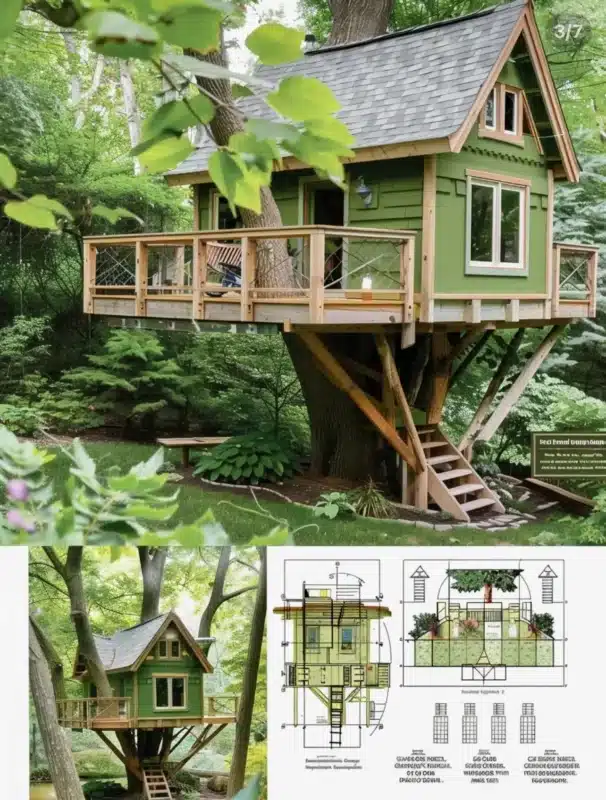
From Concept to Installation: Processes for Constructing a Commercial- Grade Tree House
1. Appreciating Commercial- Grade Tree House Plans
In terms of durability, safety, and comfort, a tree house intended for business usage is not like a domestic treehouse. The structure should not only fit very well with its natural surroundings but also either satisfies or surpasses safety requirements and building norms.
Characteristics of Commercial-Grade Tree Houses:
Commercial-grade treehouses have to be built to resist different weather conditions, particularly if they are to be utilized year-round.
Many business treehouses are made of environmentally friendly materials and energy-efficient systems including solar panels and rainwater collecting.
Beyond mere conveniences, these treehouses have air conditioning, upscale furniture, toilets, kitchens, and large sleeping quarters.
2. Designing Your Treehouse: Developing the Groundwork
Developing tree house plans for commercial-grade buildings depends largely on planning. From building to budgeting, it forms the basis for every other facet of the project.
Planning’s steps are:
Selection of Location: Select a location with appropriate kind of tree(s) for constructing together with accessibility. Roads, utilities, etc., the region should have the required infrastructure for building and next visitors.
design concept: The design ought to be beautiful as well as useful. Think about elements including the scale of the construction, the floor count, and the site’s inherent characteristics.
Compliance and Permission: Make sure your treehouse satisfies neighborhood building codes, zoning rules, and safety guidelines. This covers structural licenses, fire safety precautions, and environmental impact studies.
Planning’s time horizon is: Commercial tree house planning usually takes two to four weeks. This lets one design, get licenses, and choose materials.
3. Completing Tree House Plans by means of detail and customizing
It is time to complete the tree home blueprints once the first idea is approved. Making thorough architectural designs and adaptations depending on customer requirements and environmental conditions comes under this stage.
Important Customizing Factors: Treehouse Size Based on the planned use—single-unit, multi-unit, family-sized, luxury suites—calculate the square footage.
Tree choice: Select robust, healthy trees that will help the weight of the construction be distributed. The kinds of trees—oak, maple, or cedar—have bearing on design issues like where the platform will be located and the means of support.
Support mechanisms: Plan the supports—that includes the bracing, beams, and platform. Think about how best to divide the load—single tree or several trees?
Customizing for commercial-grade treehouses usually calls for opulent interior finishes, premium furniture, and first-rate conveniences to draw guests.
Finalizing Plans: Timeframe Usually lasting two to three weeks, this stage includes completing architectural details, procurement of materials, and regulatory compliance assurance.

4. Construction Method for Your Tree House
The next stage is building once completed tree home designs in hand. Usually, the construction is created by treehouse builders, carpenters, and other professionals together.
Important Periods of Building:
Site Development: The area needs to be cleaned, and platforms or access routes have to be created to move supplies to the treehouse site.
Constructing the Foundation: The selected support system—single tree, several trees, or a mix—helps to build the platform. Often used to fasten the platform are metal braces and heavy-duty bolts.
Once the outside construction is under way, inside work starts with wall, window, floor, and utility (e.g., plumbing, electrical) installation.
Last touches: finishing touches This covers painting, gardening, furniture and décor adding to the treehouse’s welcome nature.
Timeframe for building: The size and intricacy of the design will determine how long construction usually takes—40 to 45 days.
5. Installation and Last Notes: Building the Treehouse: Finished
It’s time to add the last details that will make the treehouse genuinely comfy and useful for visitors after it is complete. Along with landscaping the area around the treehouse, this includes adding luxury elements as fire pits, hot tubs, and outside seats.
Task Finalization:
Safety Inspections, structural integrity checks, and fire and emergency exit confirmations help to guarantee that the building is safe for guests.
Install furniture, bedding, lighting, kitchen and bathroom conveniences within. Create the area to be efficient, aesthetically beautiful, and comfortable.
Create a marketing plan to advertise the treehouse. Draw in clients via social media, internet listings, and other marketing channels.
Installation’s and final touches’ timeframe Usually running five to seven days, this step guarantees everything is ready for visitors.
Customer Case Study: The Resort at Cedarwood Trees
The Difficultty:
Building a series of commercial-grade treehouses allowed Cedarwood Treehouse Resort, a luxury eco-tourism destination, to expand its offerings. Combining high-end architecture with sustainable materials and environmentally friendly technologies, the resort sought each treehouse to offer a premium experience.
Cedarwood chose tree home designs emphasizing on merging luxury with environmental consciousness. Large windows for panoramic views, energy-efficient appliances, and environmentally friendly building materials such bamboo and recycled wood abound in the designs. To guarantee every treehouse was precisely blended into its natural surroundings, the company collaborated closely with architects and treehouse builders.
In just 65 days, the resort effectively constructed four opulent treehouses with each one having bespoke décor, private decks, and fully functional kitchens. Driven by the distinctive attractiveness of the treehouses and the luxury eco-touristic experience, the resort saw a 30% rise in bookings during the first three months. Year-round occupancy rates stayed strong, and in the first year of business the ROI exceeded expectations.
Main lessons:
Attracting environmentally friendly visitors ready to pay a premium depends mostly on luxury and sustainability.
Design adaptability let the Cedarwood team create every treehouse to fit the particular requirements of visitors.
The project yielded a good return on investment since it was finished under budget and on schedule.
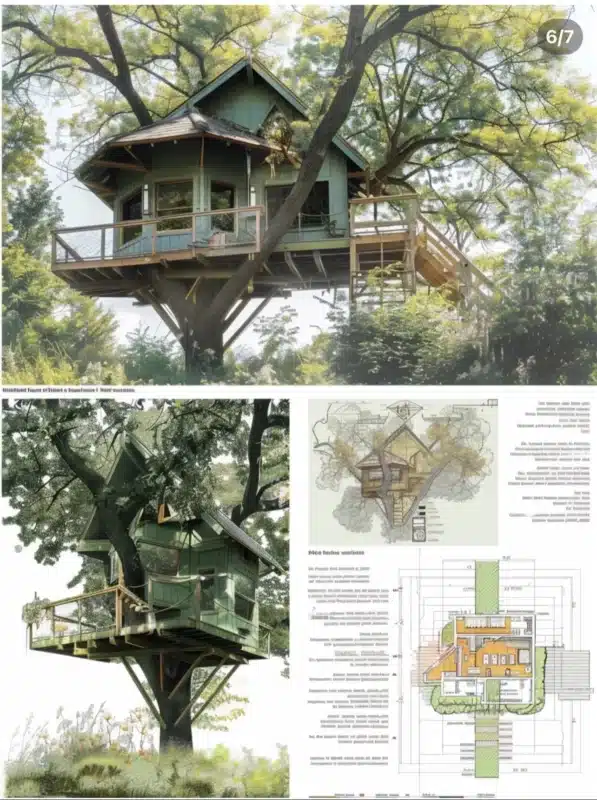
To sum up: Realizing Success Using Commercial- Grade Tree House Plans
Building a commercial-grade treehouse is a fulfilling endeavor that blends modern conveniences with the beauty of the surroundings. Carefully planning, developing, and building your tree house plans will help you build a profitable company drawing eco-tourists and guests seeking a distinctive, first-rate experience.
Guiding your customers depends on Tree Lofts distributors knowing the exact method of planning, designing, and building a commercial-grade treehouse. From the first idea to construction, using these techniques will enable you to create treehouses with a great return on investment in addition to satisfying aesthetic criteria.
1. How long does it take to create a treehouse with professional standard quality?
From concept to installation, building a commercial-grade treehouse usually takes 65 days encompassing planning, design, construction, and last details.
2. Which main elements define effective treehouse designs?
Sustainable design, luxurious elements, functional arrangement, and structural integrity define the main elements here. Success depends on careful planning including environmentally friendly designs and premium materials.
3. Can I construct a treehouse without a licensed builder?
While building a treehouse on your own can be feasible without professional assistance, commercial-grade treehouses depend on qualified experts to guarantee structural integrity, safety, and legal compliance.
4. A commercial-grade treehouse’s typical building cost is what?
The cost changes with location, size, and materials. A commercial-grade treehouse would typically go from $50,000 to $150,000 or more.
5. How would I advertise a resort built from a treehouse?
Emphasize unusual selling propositions include luxury, environmental friendliness, and immersive events. Market your treehouse resort via social media, web booking systems, and travel bloggers.

This page is meant to provide Tree Lofts distributors and possible customers thorough knowledge on commercial-grade treehouse planning, design, and construction. Knowing the whole process will enable you to help your clients effectively and profitably realize their dream treehouses. All set to launch your treehouse project? Please get in touch right now.
