


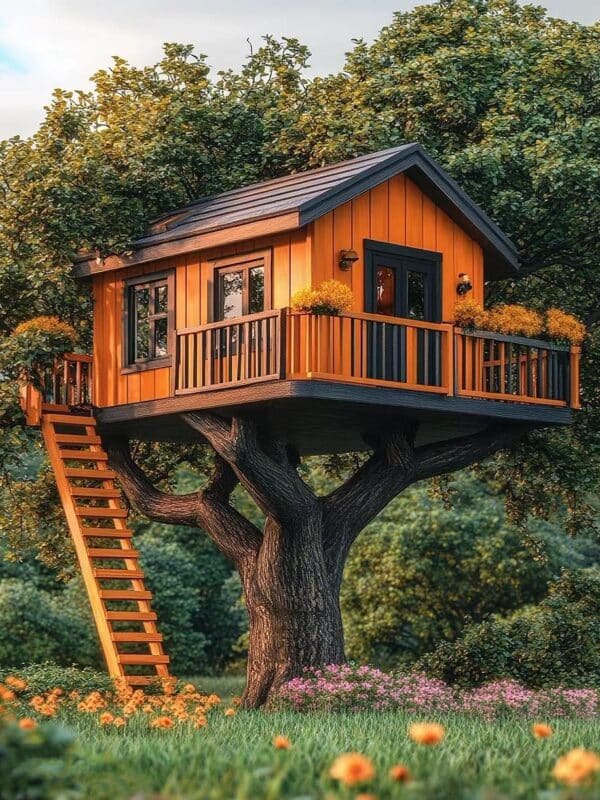
Have you ever looked at images of extravagant tree houses—the sort that resemble storybook castles set in the canopy—and wondered, “Wow, that must cost a fortune!” One could easily expect these “sky-high” escapes to have a sky-high price tag. Is it indeed the case, though? Are you really going to bring your tree house vision to reality with a cheap budget?
The quick response is: Not always! Although some big-scale projects can really reach amazing numbers, there is a universe of reasonably priced ideas, materials, and innovative solutions that can make a beautiful, safe, and basically magical tree home available to almost everyone. In many ways, building a tree house on a budget can even make the end product more satisfying. After all, employing your creativity—rather than only your pocketbook—to design an amazing experience among the leaves is definitely hip.
This blog post will help you see exactly where your money goes while building a tree house, bust some typical misunderstandings, and expose cost-saving techniques. By the end, you’ll find that a “bargain” tree home may be every bit as striking as its more expensive counterparts with the correct design. Let us ascend on!
Where Does All the Money Go? A Quick Look at the Hidden “Cost Traps”
When people first set their sights on building a tree house, they often think primarily about lumber—or maybe a fancy staircase. Then reality strikes and the query “Where did all this extra cost come from?” emerges. Building a strong, aesthetically beautiful tree home is a multi-layered process with costs hiding in locations you might not have thought of.
Hidden Cost 1: Permits and Land Use Approvals
Your location will determine how the local government handles a bigger tree home as an official construction needing permits, inspections, and potentially even a property tax change. Should your tree house be rented for Airbnb, you might require other licenses or approvals. Although not necessarily costly, these actions might add unanticipated expenses and legal complexity.
Hidden Cost 2: Structural Engineering
Building up in the branches isn’t the same as plopping a shed in your backyard. You may need a structural engineer to confirm the design is safe, especially if you plan on hosting multiple occupants. Plus, if your chosen tree trunk or support system has special conditions (like older or partially decayed wood), you might have to invest in extra reinforcement.
Hidden Cost 3: Specialty Materials & Hardware
High up in the air, standard nails and plywood might not cut it. Many tree house projects require specialized brackets, tension rods, or suspension systems designed to accommodate movement in the trunk and branches. These specialized components often cost more than your standard building materials.
Hidden Cost 4: Access and Transportation
If you’re building in a remote forest or a steep hillside, simply getting materials, tools, and crew to the site can become costly. Factor in potential off-road vehicles, extended travel times for contractors, or crane rentals if you’re elevating large pre-fab sections.
Hidden Cost 5: Ongoing Maintenance
Trees grow, storms strike, and the natural world is beautifully erratic. You probably will require regular visits throughout time to make sure your tree home stays safe and that your supporting trees remain healthy. Like making plans for ultimate renovations in a conventional house, budgeting for maintenance, sporadic repairs, and replacement parts is absolutely vital.
Understanding these “black holes” from the beginning will help you to better budget your money and prevent that terrible moment when you discover you have spent far more than you expected. The good news Half the battle is awareness; there are many ways to address every difficulty without becoming broke.
Could the Right Location Save Half Your Budget? Why Site Selection Matters More Than You Think
“Location, location, location”— we’ve heard this real estate mantra many times, and guess what? It applies to tree houses too! Finding the perfect perch for your aerial abode can dramatically influence your budget. Choose wisely, and you might slash costs in half. Opt for a trickier spot, and you could watch your budget balloon in no time.
Easy-Access vs. Remote Haven
- Easy-Access: If you build closer to main roads or near your existing house, you can minimize transportation costs and simplify the logistics of moving materials around. Plus, hooking up electricity, plumbing, or water lines becomes a lot easier.
- Off-Grid Charm: Setting up deep in the forest has an undeniable allure but can mean hauling everything by foot or ATV, plus factoring in any special off-grid systems (solar panels, composting toilets, water filtration) you’ll need to remain functional.
Topography & Tree Health
Is the chosen tree perched on a steep slope that requires elaborate supports or leveling? Does the land get soggy after heavy rains, demanding extra drainage solutions? The flattest, most stable spots with robust, healthy trees are often the simplest (and thus cheapest) places to build. If you pick a scenic vantage point but ignore how complicated the terrain might be, you’re in for potential cost overruns.
Rent or Buy?
Should you not have adequate land, you might want to rent or lease it for your project. Landowners with unneeded forested areas occasionally are willing to rent you a space for a fraction of what you would spend to buy. This approach can keep initial costs way down if your main goal is an immersive nature experience rather than a permanent real estate investment.
Pro Tip: Consider contacting local authorities or environmental organizations early to see if any grants or tax incentives are available for eco-friendly or tourism-boosting projects. In certain regions, building a tree house that supports eco-tourism or local crafts can open doors to financial breaks and supportive partnerships.
The Bigger the Imagination, the More You Save? Clever Hacks to Counter Budget Woes
When it comes to building a tree house on a tight budget, creativity really is the best currency. Sometimes thinking outside the box isn’t just a neat design quirk—it’s a legitimate way to keep your costs in check.
Recycled & Repurposed Materials
- For useable lumber, scour barns, pallets, or demolition sites. Old wood can take front stage in your project with some sanding, staining, and sealing.
- Architectural Salvage: Bargain rates abound for doors, windows, railings, or decorative metal scraps from salvage yards; furthermore they provide special beauty not found in brand-new stock.
Multifunctional Spaces
In a tree house, every square foot counts. By introducing fold-down tables, modular seating that doubles as storage, or beds that collapse into the wall, you effectively get more out of less space. Fewer square feet means fewer materials, less structural engineering, and reduced labor costs. Essentially, you’re paying for a small area that lives large.
DIY Where It Makes Sense
Go for some do-it-yourself tasks if you have simple carpentry or design abilities. Create your own shelves, add hand-painted murals, or design unique curtains by sewing. Except for your time, the labor costs are zero; you may add personal style that money just cannot buy. If you lack professional knowledge, just be sure not to do structural elements yourself; some elements really call for a pro’s eye.
Collaborate with the Community
“Barn-raising,” in some communities, is the custom wherein neighbors gather to construct buildings and exchange resources. Could you adapt that for a tree house “build day,” inviting friends, family, or local volunteers? Offer them a fun social event, maybe some homemade refreshments, and you’ll find your labor expenses dropping significantly. Plus, everyone gets to be a part of something special.
Remember: Constraint fuels innovation. When you’re forced to think creatively, you often end up with a design that’s more interesting, personal, and sustainable than if you just threw money at every challenge.

When to Splurge and When to Save: Figuring Out Materials and Construction
You therefore want to decrease costs, but you also want not to sacrifice quality. Where can you securely tighten the purse strings and what products and building techniques really merit the additional investment?
Splurge on Key Structural Elements
- Load-Bearing Supports: This includes beams, brackets, and tension cable systems. These are not areas to pinch pennies. A stable core ensures your tree house remains safe for years to come.
- Protective Coatings: Quality sealants, water-resistant membranes, and UV-blocking stains on surfaces facing harsh weather can extend the life of your structure immensely.
Save on Aesthetics & Décor
- As discussed, repurposing or creating your own decorative items is both personal and financially wise.
- Thrift stores or internet markets can be gold mines for oddball chairs, little tables, or frames that only need some TLC to appear brand new.
Modular or Pre-Fab Options
Pre-fabricated tree house components might cost more upfront than raw materials, but they often save in labor costs, speed up construction, and reduce the chance of expensive mistakes. Evaluate local suppliers who offer “tree house kits.” Even if you customize part of it, starting with a kit might trim your timeline—and your final invoice.
Choose Practical Over Trendy
Cedar siding may be fashionable, but if it’s double your budget compared to equally durable pine or composite boards, is it worth it? Evaluate longevity, maintenance needs, and climate compatibility to select something that’s functional but still suits your aesthetic.
Hidden Expenses = Wallet Wreckers? Don’t Overlook Utilities and Interior Pitfalls
Once the outer shell of your tree house is ready, it’s tempting to shout, “We did it!” But hold your applause—some of the biggest potential budget busters are still lurking in the background.
Water Supply & Waste Management
- If your home is close to a public water system, great—just be ready to pay for pipework, connection fees, and maybe utilities.
- Eco-friendly yet requiring careful design and maybe greater upfront expenses are rainwater catchment systems, composting toilets, and greywater recycling.
Electricity & Lighting
- Local Grid vs. Solar: Solar panels let you go off-grid but cost more initially. They can save you money over time, especially if your location gets ample sun. If hooking up to the grid is feasible, weigh the cost of monthly utility bills against the solar investment.
- Smart Lighting: LEDs and motion sensors can reduce daily power usage. You’ll spend a bit extra on smart fixtures but might recoup the difference in lower energy bills.
Heating & Cooling
Building in a region with scorching summers or icy winters? Think insulation and ventilation from day one. A well-insulated structure drastically cuts heating/cooling costs. Ceiling fans, properly positioned windows, or open-air designs can reduce the need for air conditioning.
Interior Finishes & Furnishings
You do want it to look good inside. But high-end electronics, marble counters, or beautiful wallpaper can rapidly blow your budget. Like natural wood, comfortable cushions, and basic but useful utilities, aim for an inside feel that complements the rustic or adventurous attitude of a tree house.
Hot Tip: Always keep a 10-15% contingency fund for these sneaky “extras.” Maybe you’ll find a cost-effective solution for half of them, but you’ll be grateful for the cushion if something unexpected arises.
Saving Money Without Making Money? Do These Things and Watch Your Tree House Become a Goldmine
So far, we’ve focused on minimizing costs. But what if you want your tree house to make money, too? Whether you’re thinking about short-term rentals, hosting events, or even crafting a small hospitality business, building on a budget can actually be an advantage—it keeps overhead low and profitability high. Here’s how:
Short-Term Rentals & Experiences
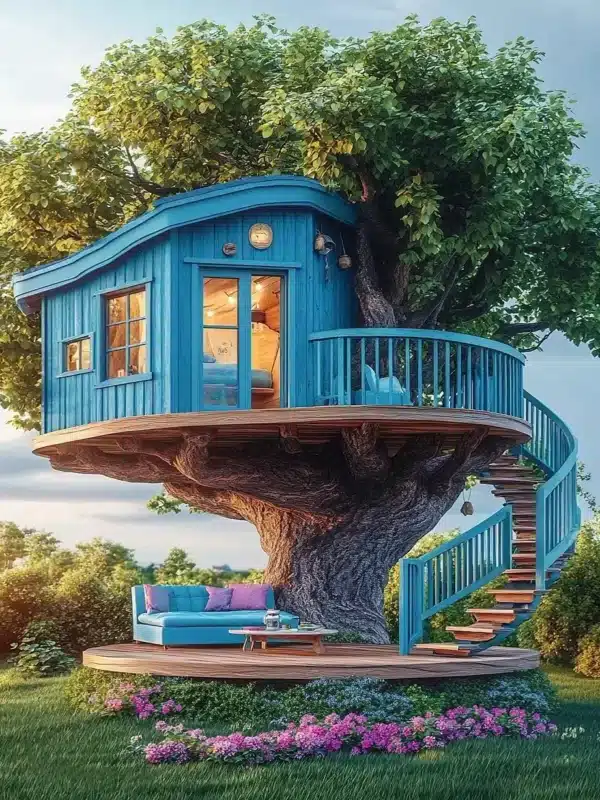
Platforms like Airbnb are brimming with travelers hungry for unique getaways. An affordable tree house with strong “Instagram appeal” can command premium nightly rates. Guests love telling their friends they stayed “in the trees,” and that word-of-mouth promotion is basically free advertising.
Themed Retreats & Workshops
Tree houses aren’t just for sleeping; they can serve as workshop spaces for yoga, art, writing, or even team-building retreats. If your structure is safe, comfortable, and has a bit of open floor space, you can host specialized events at higher ticket prices. The novelty factor helps you stand out in a sea of conventional venues.
Small-Scale Weddings & Parties
It’s not unusual these days for couples to seek out quirky, photo-worthy spots for intimate ceremonies. A tree house’s romantic vibe can be a huge draw. Invest a little in clearing a small outdoor area with seating, string lights, or a scenic walkway, and you’ll open the door to wedding and event bookings that might exceed your standard rental income.
Merchandising & Partnerships
Never undervalue the force of brand alliances. If your tree house radiates environmental consciousness, you might work with nearby craftspeople, environmentally friendly product companies, or travel bloggers. Sell branded mugs, T-shirts, or small wooden sculptures that copy your design. Though little, every extra source of income counts.
By blending frugality in construction with a pinch of entrepreneurial spirit, your cozy canopy hideaway can go from passion project to revenue generator in no time.
Weather, Crew, Regulations… With So Many Surprises, How Do You Keep Costs Under Control?
Building a tree house can throw curveballs regardless of how painstakingly you design. How can you prevent unexpected surprises from shattering your budget into little bits?
Weather Woes
Rain, snow, or windstorms can stop building, ruin materials, and throw schedules. If you reside in an area with strong seasonal fluctuations, plan most of your construction in quiet months. Always consider a weather-related contingency; better still, complete early rather than rushing when deadlines change.
Contractor & Crew Coordination
Between different trades—carpenters, electricians, plumbers—communication gaps can result in blunders or delays. Assign a project manager or play that role yourself to keep everyone in line. Task overlaps can result in half-finished projects requiring review, which directly increases labor expenses.
Regulations & Red Tape
As mentioned, local rules or environmental restrictions can slow progress or force design changes. Keep yourself informed from the get-go:
- Check local building codes to confirm if you need special permits.
- Consult environmental agencies if your land is near protected wildlife or wetlands.
- Document everything to prove compliance if questions arise.
Tree Health Surprises
A strong-looking trunk can sometimes have structural flaws, hidden decay, or insect problems. Should you discover midway through a project that your selected tree is less robust than you had anticipated, you may have to choose a new tree totally or pay for costly changes. Before you dig, always have an expert arborist evaluate your landscaping.
By anticipating these scenarios and having a plan B (or C!), you’ll remain in control, keep finances on track, and reduce stress levels along the way.
Learn More: https://treelofts.com/the-copper-fox-hideaway-maine-usa/
People Say Cheap and Gorgeous Never Mix? Real-Life Tree House Stories That Prove Otherwise
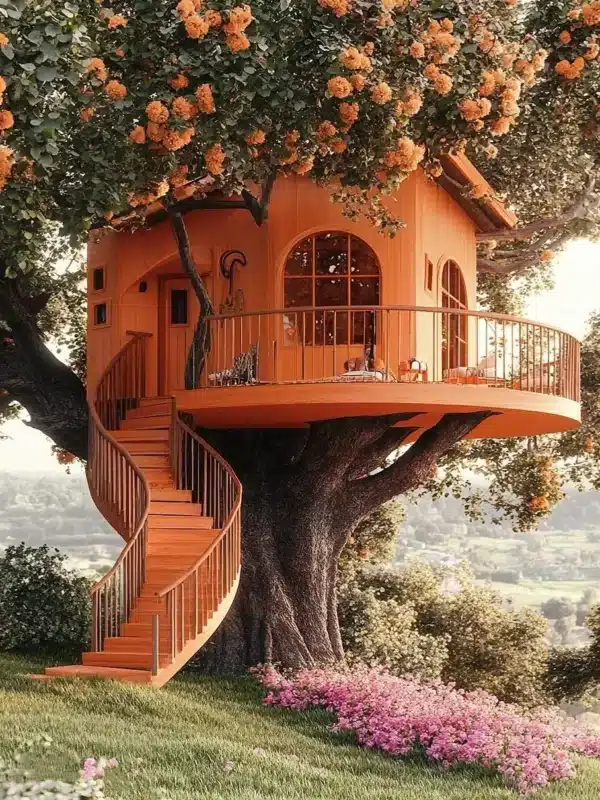
Still skeptical? Let’s peek at a few real-world success stories where owners proved you can build a drop-dead gorgeous tree house without draining your life savings.
Case Study A: Urban Backyard Escape
A family in the suburbs wanted a mini hideaway for their kids. They used reclaimed wood from old shipping pallets, a simple rope ladder, and second-hand furniture from thrift stores. The result? A whimsical multi-level nook that cost under $3,000 total. It rapidly became the neighborhood’s favorite hangout spot, a testament to how resourcefulness can stretch a small budget.
Case Study B: Forest Getaway with a Twist
A young couple aimed to open an off-grid weekend rental in a wooded corner of their family farm. They built the structure themselves (with help from friends on weekends) using discounted end-of-season building supplies and leftover roofing materials. For power, they installed a basic solar kit. They now rent the tree house on Airbnb for up to $150 a night and recouped their initial $10,000 investment in less than two years.
Case Study C: Community Co-Build
In a remote mountain region, locals joined forces to create a communal tree house that doubles as a nature education center. By pooling resources, labor, and donated materials from local businesses, they kept total costs low. The project fosters eco-tourism, providing educational tours to visitors—and every penny earned goes back into community upkeep and improvements.
Each example highlights the same moral: Budget-friendly tree houses aren’t just possible, they can thrive. If you plan smart, embrace creativity, and tap into local resources or collaborative networks, you can achieve a spectacular result.
Partner with TreeLofts: Turning Small Budgets into Towering Dreams in the Canopy
Finally, you might be asking yourself: “So, how do I get started?” That’s where TreeLofts steps in.Our staff specializes in leading customers from the seed of an idea to the finished polished structure—all the while honoring your financial limitations. Whether your dream is of a little personal hideaway or a rental home that will make money, we are here to make sure your budget works for you.
Why Choose TreeLofts?
- Years of creating budget-conscious tree houses that yet astound guests with their uniqueness and appeal help us to meet expertise with creativity.
- From organizing permissions to locating reasonably priced but robust products, we streamline every phase of the process to free stress. You will always know exactly what expenses, deadlines, and any risks mean.
- Sustainable Approach: We incorporate environmentally responsible ideas—like solar or repurposed wood—without compromising comfort or utility since we really love our world.
Ready to Fly High?
Building a tree house on a budget doesn’t have to mean compromising quality or flair. In fact, your limitations can spark the most brilliant, memorable design solutions. If you’re ready to transform your limited funds into an elevated escape, we’re standing by to help you get the best possible results.
Get in touch right now to let TreeLofts assist you create a plan, polish a design, and explore options for cost savings you might never have thought of. Before you know it, you will be staring across the treetops, in wonder at how you pulled off something so magical—and all within a means you can manage.
So, are you set to build the tree house of your dreams without breaking the bank? Don’t hesitate to contact us at TreeLofts. Together, we’ll prove that lofty ambitions and lean budgets can still produce sky-high excellence!
Common Questions
Q1: How much would a simple tree house cost to build?
Depending on the size, materials, and equipment you employ, a basic tree home may run anywhere from $2,000 to $5,000. Costs can be much reduced with DIY building.
Q2: Can I create a tree house on my own without expert assistance?
A lot of people do indeed effectively build tree houses on their own with the correct tools and direction. If you’re uncertain about tree stability or difficult work, though, it’s always advisable to see an expert.
Q3: From what materials would a tree house be built least expensively?
Among the more reasonably priced materials are plywood, pressure-treated lumber, and reclaimed wood. Reclaimed wood is sometimes available for free or at a reduced price.
Q4: How can I ensure my tree house’s safety?
Make sure the tree is strong and healthy; use solid materials; and routinely check the construction for wear. Including non-slip floors and handrails adds even more safety aspects.
Q5: How am I supposed to keep my tree house?
Check the tree’s condition, apply wood sealer to guard against weather, and often look over the tree house for damage. As soon as problems start, make required repairs to prevent more costly repairs down the road.
