


Far from concrete walkways and road noise, have you ever found yourself daydreaming of ascending a ladder into a leafy perch? Perhaps you remember early dreams of living in a small hidden refuge high among softly swinging trees in the breeze. Treehouses provide purposes beyond only childhood. Treehouse offer a way to combine environmental harmony, simplicity, and design into one appealing package in the modern world—where people yearn for re-connection with nature. Easy to Build Treehouse Blueprint: Turn Your Plans into a Treetop Paradise
Given your perspective on treehouses as complex engineering projects, the statement “easy-to-build treehouse blueprint” can sound almost too good to be true. Still, for both novices and do-it-yourselfers, new tools and creative ideas have made entry shockingly easy. To create a useful, safe, and wonderfully warm treehouse, you don’t necessarily have to be a master carpenter or expert architect. The secret is to identify easy-to-use tree house designs that direct you methodically, cut guesswork, and stress safety above everything.
Still, why is creating a treehouse firstly so appealing? It first provides a nostalgic excitement, a voyage back to the pleasures of childhood. It also encourages a novel viewpoint on daily living at the same time. From a treetop vantage point, the view can be transforming rather than merely beautiful. Imagine drinking morning coffee among swinging branches or writing while surrounded by bird music. Life’s rhythm is completely different, one that helps you to be in line with the peace of nature.
In this blog, we’ll demystify what “easy-to-build treehouse blueprint” truly means, explore essential building considerations, and show you how to transform basic tree house plans into something that fits your specific vision. Throughout this journey, keep in mind that we at Treelofts focus purely on sharing inspiration, design ideas, and best practices.
What Exactly Is an “Easy-to-Build Treehouse Blueprint”?
When you hear the phrase “easy-to-build,” it does not mean your treehouse will be weak, awkward, or functionally inadequate. Rather, “easy” describes easily available directions, simpler building techniques, and careful design elements meant to assist you stay clear of mistakes. A excellent blueprint minimally confusing you from first idea to completed construction.
1. Balancing Simplicity with Practicality
Plans for tree houses marked “easy to build” nonetheless have to satisfy basic needs for stability, safety, and usability. A overly basic blueprint could cause expensive blunders or dangerous oversights. A good strategy should combine avoiding too technical jargon that leaves you feeling lost with enough information to make you confident every step of the way.
2. From Sketch to Completed Structure
Usually featuring thorough material lists, dimensioned drawings, and exacting assembly instructions, these blueprints You may also find pictures illustrating how to fasten your platform to limbs or a tree trunk. If you have never worked in woodworking or construction, thorough instructions and pictures can provide the road map you need to handle the project at your own speed.
3. Customizing for Your Environment
Easy-to-build blueprints have one genuine advantage: they are usually flexible. You can adjust them to fit your particular taste, the form of your tree, or local surroundings. If you reside in a wet climate, for example, you might modify the plan to call for improved drainage or a more weatherproof roof. Should the tree be smaller or less robust, you might minimize the footprint of the platform still adhering to basic design guidelines.
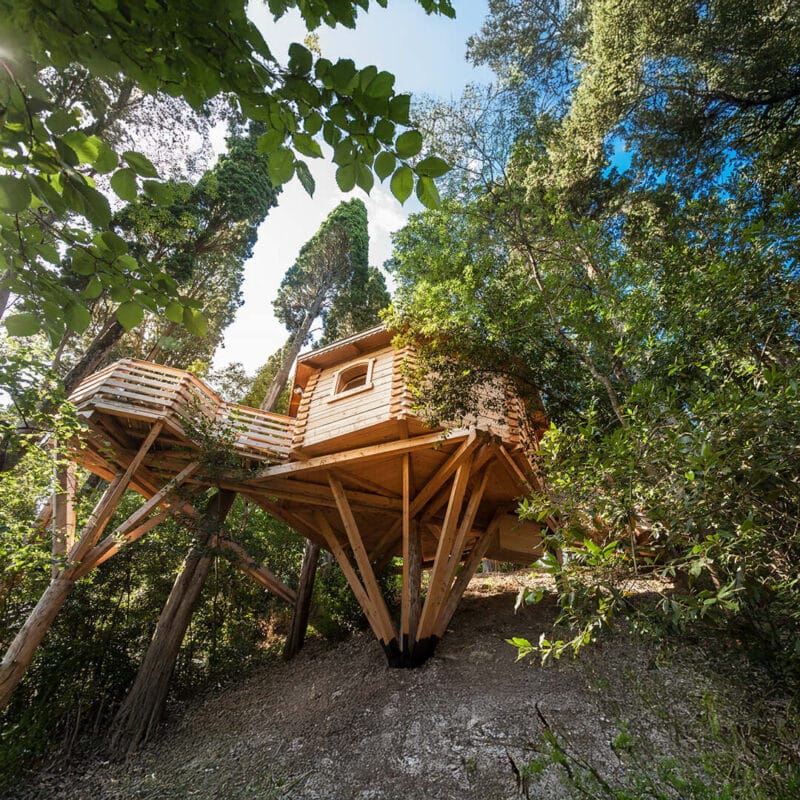
Must-Know Basics: Location, Tree Species, and Structural Considerations
You really need to set a foundation before climbing a ladder once once step. Good treehouse building begins with careful site choice and knowledge of structural basics.
1. Harmonizing with the Surrounding Environment
Choose a spot that strikes a mix between style and utility. Though that majestic oak at the brink of a cliff may seem great, consider carefully wind exposure or the difficulty of moving goods there. Furthermore take into account how the treehouse will fit its surroundings; some people desire a more conspicuous lookout with expansive views while others prefer a secret hideaway buried among the trees.
2. Picking the Right Tree
Before construction starts, you really should evaluate the state of your tree. Any indication of a disease, pests, or root instability could be quite dangerous. Treehouses choose healthy species including oak, maple, beech, or some pine kinds as their strong root systems and substantial trunks make sense. If doubtful, always speak with an arborist or seasoned treehouse builder. Your basis—and your partner—in this undertaking is a solid, living tree.
3. Height and Structural Strategy
Higher treehouses provide spectacular viewpoints, but can be trickier to build (and more challenging to access daily). Strike a balance that suits your personal comfort level and the tree’s capacity.
Structural approaches include:
- Trunk Support: Building the platform around or anchored into a single main trunk.
- Branch Support: Distributing weight across multiple large branches.
- Post/Brace Support: Installing ground-based supports for additional stability.
4. Eco-Friendly and Tree-Friendly Mindset
First of importance is respect of nature. Choose specific mounting brackets or cable supports that let the trunk and branches develop rather than drilling too many bolts or nails into your selected tree. To reduce your environmental impact, use low-VOC (volatile organic compounds) sealants or paints together with sustainably obtained lumber.
Learn More: https://treelofts.com/the-maple-ridge-treehouse-asheville-north-carolina/
Decoding “Easy-to-Build Treehouse Blueprint”: Practical Tips for Getting Started
Even the most user-friendly blueprint can become confusing without a clear approach. How you interpret and implement those lines and numbers on paper determines whether your dream treehouse stands firmly or wobbles precariously.
1. Translating Plans into Reality
Start by carefully reviewing every detail of your chosen blueprint or plan set. Identify the materials you’ll need—e.g., how many 2×6 boards, what type of fasteners, and what roofing material. Having everything on hand before you begin can prevent mid-project scrambles. For visual learners, try building a cardboard or small wooden mock-up that mirrors the blueprint’s layout. This step helps you internalize the structure and anticipate challenges.
2. Key Construction Steps
While every plan differs, certain stages are nearly universal:
- Base/Support: Whether you’re anchoring to the trunk, installing ground posts, or using a combination approach, establish a stable foundation first.
- Platform Installation: Lay beams or joists carefully, ensuring they’re level and properly secured.
- Framing & Railings: Erect the walls or partial walls, along with safety railings and guardrails.
- Roof and Finishing Touches: Complete the overhead protection, then add doors, windows, or decorative elements.
Throughout these steps, use a reliable ladder or scaffolding with appropriate safety gear. Even a small slip can cause major injury when you’re several feet above ground.
3. Safety Checklist Essentials
- Protective Equipment: Hard hats, gloves, and sturdy footwear are musts.
- Local Regulations: Certain areas have building codes or zoning rules for treehouses. Make sure you’re in compliance.
- Hardware Inspections: Periodically check that all bolts, screws, and brackets remain tight, especially as you add weight to the structure.
- Team Effort: If possible, recruit at least one helper. Another set of hands—and eyes—makes the process smoother and safer.
4. Workflow Shortcuts
- Follow the Blueprint in Sequence: Resist the urge to jump around. Plans are typically designed to be followed in the order presented, ensuring each stage rests on a stable foundation.
- Consult Online Tutorials: Videos or detailed photographic guides can bring the blueprint to life, clarifying steps you might find confusing.
- Be Adaptable: If the blueprint calls for a particular dimension but your tree’s branch layout is slightly different, adapt while maintaining core stability principles.

Multiple Tree House Plan Styles: Unleashing Infinite Creativity
Now comes the fun part—deciding what type of treehouse vibe you want! Simple, easy-to-build plans don’t necessarily mean bland or cookie-cutter results. Here are some popular styles to spark your imagination.
1. Fairy-Tale Treehouse
- Look & Feel: Whimsical rooflines, colorful window frames, maybe even a turret or a little deck reminiscent of a storybook castle.
- Target Audience: Families with young children, or anyone who wants to keep the spark of childhood imagination alive.
- Blueprint Adaptation: Many “easy” plans allow you to add decorative flourishes after the main structure is complete—like a mini balcony or curved shingled roof.
2. Modern & Minimalist
- Look & Feel: Clean lines, large windows, and a simple rectangular or box-like shape. Possibly open-concept inside.
- Target Audience: Grown-ups seeking a sleek retreat, maybe a quiet place to work or meditate in nature.
- Blueprint Adaptation: If your plan has a basic box design, you can play with glass panels, neutral paint or stain, and modern furniture to accentuate minimalism.
3. Adventure Oasis
- Look & Feel: Think rope bridges, mini-climbing walls, ladders, slides, or even zip lines connected to a stable branch.
- Target Audience: Thrill-seekers, families with active kids, or groups who love to entertain.
- Blueprint Adaptation: Start with a safe, stable platform from an easy-to-build plan. Then, add adventure elements in phases, ensuring each new feature meets safety guidelines.
4. Relaxing Vacation Hideaway
- Look & Feel: Larger platform with enough space for a small dining area, hammock, or built-in seating. Possibly multiple levels if the tree’s shape allows.
- Target Audience: People who envision extended weekends or even overnight stays in their treehouse—like a mini Airbnb or personal retreat.
- Blueprint Adaptation: Focus on comfort and weatherproofing. Use additional rafters for a sturdier roof, consider insulation, and be mindful of window placements for airflow.
Safety and Maintenance: Because “Easy to Build” Should Also Mean “Safe to Enjoy”
A treehouse, much like a deck or shed, requires ongoing care. Failing to maintain it could result in future structural problems or even injuries. Here’s what you need to know to keep your aerial paradise in tip-top shape.
1. Routine Checkups
At least once or twice a year, climb up and inspect the entire structure. Look for:
- Wood Rot or Decay: Check beams, posts, and planks for signs of moisture damage, especially if you live in a humid or rainy region.
- Loose Hardware: Bolts and screws can loosen over time due to vibrations from wind, storms, or natural shifting. Tighten them as needed.
- Tree Health: The trunk and branches supporting your treehouse must remain healthy. Watch for dead branches, fungal growth, or insect infestations.
2. Weather Prep
- Storm Precautions: Before a heavy storm, remove lightweight decorations or furniture that could be blown away. Consider reinforcing external shutters if storms are frequent in your area.
- Proper Drainage: If your roof lacks gutters, you might notice pooling water. Plan for sufficient water runoff to prevent rot or mold.
- Snow and Ice: If you live in a place with harsh winters, check your structure’s load capacity. Clear snow buildup from the roof and deck to reduce stress on supports.
3. Keep Visitors Safe
- Clear Signage: If friends or guests visit, a small sign reminding them to watch their step can reduce mishaps.
- Guardrails and Handrails: Over time, these can loosen. They’re essential for preventing falls, so never skip a seasonal inspection of your safety rails.
- Insurance and Liability: If you open your treehouse to paying guests (like an Airbnb scenario), consult local regulations and insurance policies to ensure coverage in case of accidents.
4. Respecting the Tree’s Growth
- Allow for Expansion: Trees continue to grow in girth. If you used a fixed bracket system, keep an eye on how the trunk and branches are fitting. You might need to adjust or replace hardware to accommodate natural growth.
- Arborist Visits: Periodically inviting a tree specialist to look at the trunk’s health can save you from surprises later.
Teaming Up with Treelofts: Your Source for Treehouse Inspiration, Not Construction
You might be thinking, “This all sounds fantastic, but how do I nail down the perfect style? How can I make sure my blueprint looks as good in reality as it does on paper?” That’s where we at Treelofts come into play.
What Treelofts Can Do for You
- Inspiration Library: We offer an extensive repository of conceptual ideas, from whimsical designs to modern retreats, helping you develop a clear aesthetic direction.
- Expert Articles & Concept Guides: Our blog and design tips explore everything from color schemes and eco-friendly materials to smart space planning.
- Practical Advice: We stress the importance of safety, environmental respect, and thoughtful craftsmanship, so you make informed decisions from day one.
Why Collaborate with Us for Your Blueprint
- Jumpstart Your Creativity: Sometimes reading a generic blueprint can feel bland. Treelofts can spark imaginative ways to customize your plan, making your structure unique and memorable.
- Learn from Real Cases: Our website features stories, images, and lessons from other enthusiasts who’ve turned a simple tree house plan into a show-stopping canopy retreat.
- Stay Connected: Building a treehouse can take weeks or even months. With Treelofts resources, you can revisit your plans at any stage—like painting, adding accessories, or upgrading the interior layout.
4. Ready to Ask Questions?
As you’re diving into blueprints and collecting materials, you might wonder about the best color palette, the sturdiest type of wood, or ways to create a child-friendly play area. Our online content and conceptual feedback can help you refine your vision. Even if you’re seeking straightforward “easy-to-build treehouse blueprint” solutions, a dash of creative flair can transform your project from “nice” to “unforgettable.”

Conclusion: Let Your Treehouse Dream Sprout from a Simple Blueprint
Simple designs or few steps are only part of easy-to-build treehouse blueprints; they are the road to a lifetime ambition that combines hands-on accomplishment, nature, and imagination. Done correctly, your treehouse transcends mere platform in a tree. It’s a personal haven, a remembrance of young amazement, and evidence of the harmony between human creativity and Mother Nature’s offerings.
Indeed, you could run against challenges along the way: obtaining licenses, handling erratic weather, or learning that the trunk you selected is much too small. But sometimes the journey incorporates these difficulties. Every challenge overcome gives the finished work significance. Standing atop a strong, well-made platform you helped create and staring out at the leaves whirling around you makes one feel quite successful.
To recap:
- Blueprint Selection: Find a plan that offers clarity, detail, and user-friendly guidance.
- Site & Tree Assessment: Prioritize the health of your chosen tree and safety of the surrounding environment.
- Construction Steps: Follow each stage from base to roof, using the recommended hardware and measures.
- Styling & Maintenance: Personalize your creation with decorative flourishes, then stay committed to regular checkups.
- Treelofts as a Resource: We’re here for conceptual brainstorming and design inspiration—but not physical labor or building services.
So if you’ve been intrigued by “easy-to-build treehouse blueprint tree house plans,” now’s the perfect time to take the first step. Pull up your dream blueprint, gather essential materials, and let your imagination run wild. The branches are waiting, the breeze is calling, and a brand-new vantage point on life is just a few strategic cuts, bolts, and beams away.
Ready to make your treehouse vision a reality? Visit Treelofts for a creative boost—browse through our style inspirations, read success stories, and see how others turned a simple plan into a breathtaking canopy retreat. Even though we don’t offer installation, our conceptual insights can spark fresh ideas and motivate you to finally build the treehouse of your dreams.
Remember: the blueprint is only the beginning. Once you set foot on your completed platform and gaze into the lush vista around you, you’ll understand why so many people have fallen head over heels for the enchantment of treehouse living. Let this be your invitation to join them—by building your very own sky-high hideaway, one step at a time.
FAQ
1. Do I need special permits or permission to build a treehouse?
Your municipal laws as well as homeowner’s association (HOA) guidelines will determine this. While some places are more forgiving of little, temporary installations, others need for permits for any kind of elevated construction. Before you begin construction, always consult local authorities to help you prevent future problems.
2. How do I ensure my chosen tree is strong enough to support a treehouse?
Choose first a mature, healthy tree with strong limbs and a thick trunk. Look for evidence of decay, sickness, or an insect invasion. If unsure, see an arborist or other expert in treehouse construction. They can assess the integrity of the tree and provide recommendations for secure attachment techniques.
3. Can a beginner really follow “easy-to-build” treehouse blueprints successfully?
Indeed, if the designs are good and you give each stage some thought. Search for a blueprint with well defined materials lists, illustrations, and directions. It also makes sense to study thorough guidelines or view instructional videos. Above all, patience is vital. Work on the project in phases; think about using a friend or relative’s additional set of hands.
4. How can I minimize environmental impact when building a treehouse?
Choose low-VOC or non-toxic paint and dyes, use environmentally sourced wood, and cut the amount of bolts or nails pitting the trunk. Try for a design that lets the tree keep growing; cable supports or adjustable braces will help. Check the health of the tree often to make sure your construction stays helpful rather than negative.
