


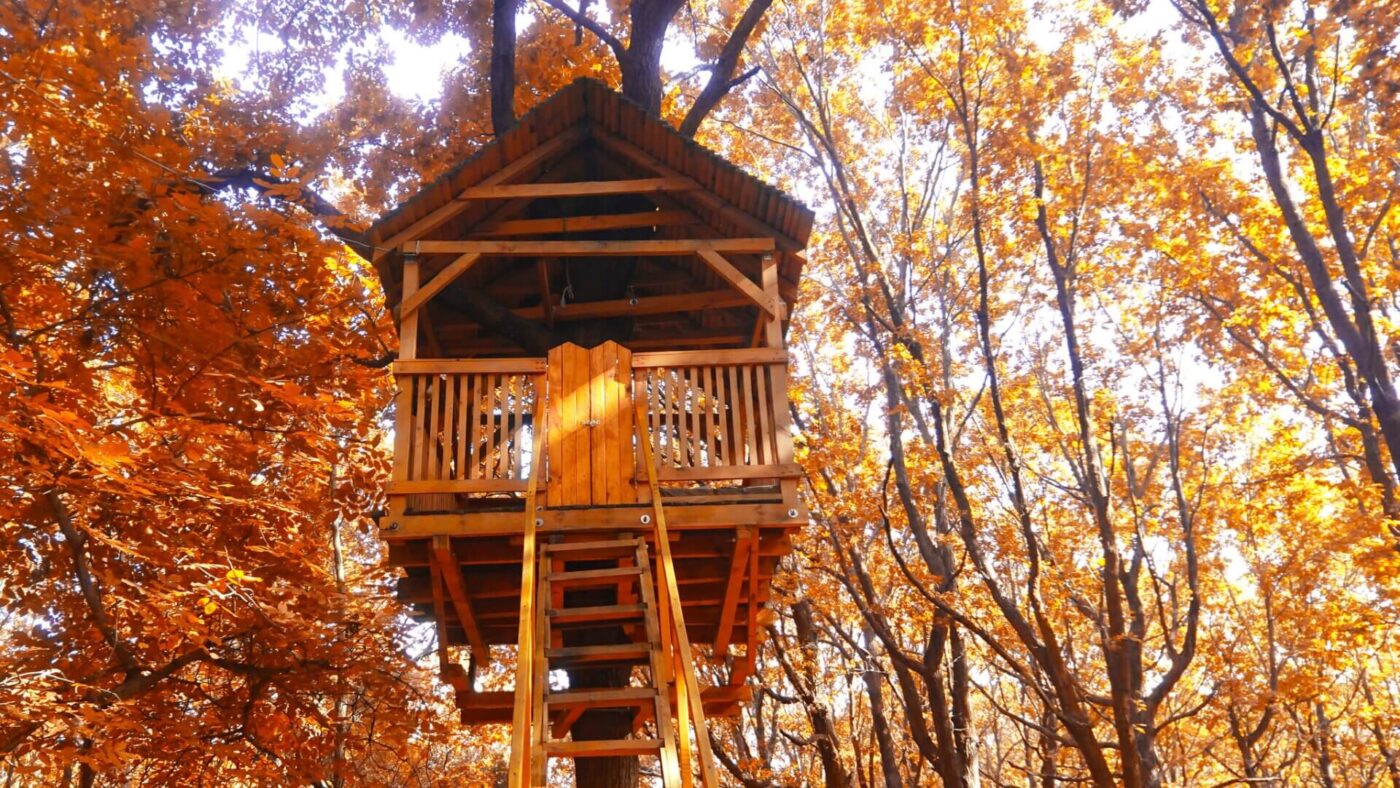
Ever dreamed of having a secret hideaway nestled in the treetops? Whether you’re envisioning a magical retreat for your kids or a peaceful escape for yourself, learning how to build a tree house is a rewarding and unforgettable project.
Not only does a tree house bring adventure right to your backyard, but it also strengthens family bonds, encourages creativity, and provides a unique space for relaxation. But here’s the thing—a poorly planned tree house can be unsafe, unstable, and short-lived. That’s why it’s essential to get everything right, from choosing the right tree to making sure it stands strong for years to come.
In this guide, we’ll walk you through everything you need to know about building a tree house that is safe, fun, and long-lasting. From selecting the perfect tree and gathering materials to step-by-step construction and safety tips, we’ve got you covered. Let’s turn that dream into reality!

Planning Your Tree House – The Foundation of Success
Building a long-lasting, safe, and entertaining tree house begins with thorough preparation. You run the danger of building a structure that is dangerous, unstable, or detrimental to the tree itself without a strong basis—both physically and practically. Here we will discuss the most crucial stages in selecting the appropriate tree, building your tree home, and including necessary safety elements to guarantee a robust and safe construction.
Selecting the Correct Tree Starts from the Roots
Choosing the correct tree is the first and most important action in creating a strong tree house. Safety and lifespan depend on choosing a sturdy and healthy tree since not all trees are fit for supporting a tree house construction.
Features of a Robust and Healthy Tree
- Mature but robust: Search for trees with a strong trunk whose diameters are at least 10 inches.
- Healthy growth: Choose a tree that shows no signs of disease, rot, or dead branches.
- Deep-rooted stability: Your tree can manage the weight of your tree home better the deeper and stronger the roots are.
- Ideal tree species: The best trees for tree house construction include oak, maple, beech, and Douglas fir, known for their strength and longevity.
Avoiding Trees
- Young or weak trees will not support a long-standing tree home.
- Although aesthetically pleasing, fruit trees are generally too fragile for building.
- Cracks, fungus, or too much sap indicate a damaged or sick tree.
- Trees with shallow roots—such as those of willows and poplars—may be unstable.
Spending some time choosing the correct tree guarantees a strong and safe basis for years to come for your tree house.
Designing Your Tree House – Function Meets Fun
Once you have identified the ideal tree, you should then build a tree house fit for your requirements. Whether your project is a kids’ playhouse, an outdoor workstation, or a comfortable hideaway, the design process is essential to producing a safe and fun construction.
Determining the Size and Purpose
Consider how you would utilize your tree house before you pick up your equipment:
- A play area for a child? Add interesting elements like a slide, climbing rope, or covert escape hatch.
- A retreat for relaxation? Add weatherproofing, lights, and nice chairs.
- A secret adventurous hideaway? Think of building linking bridges or several tiers.
Sketching a Blueprint
A well-designed blueprint stops expensive errors. To see your project, sketch your own design or utilize tools like Treehouse Masters’ Builder Tool or SketchUp. Your tree home blueprint should include:
- Dimensions – How big will it be?
- Weight capacity – What weight can your tree and construction handle?
- Attachment method – Will you connect it straight to the tree or utilize a post-supported base?
- Entertainment and utility elements – Windows, doors, decks, ladders, swings.
Including Entertainment Elements
- Rope Ladders and Climbing Nets – Add an adventurous touch.
- Slides and Zip Lines – Make leaving the tree house quite enjoyable.
- Swing Sets and Hanging Chairs – Perfect for downtime.
- Trap Doors and Secret Passages – Inspire imaginative play.
A well-made tree home is a lifetime source of enjoyment since it strikes a balance between safety and imagination.
Safety Considerations in Planning
If it’s not safe, even the most fascinating tree home won’t be fun. Here are some important safety considerations for your awareness:
Weight Distribution and Load Limits
- Use extra support beams or equally distribute the weight across several branches.
- Plan appropriately considering the number of individuals likely to occupy the tree home simultaneously.
Local Permits and Building Rules
- Certain places call for permits for buildings beyond a specified height.
- Check with your local municipal council to be sure your tree house is compliant and legal.
Environmental Impact and Tree Health
- Steer clear of utilizing too many bolts or nails as they could compromise the tree.
- Select a design that lets the tree flourish organically and leaves space for growth.
- To stop long-term harm, use tree-friendly attachment techniques such as floating braces.
Following these guidelines in the planning stage will produce a strong, safe, and long-lasting tree home that will last a lifetime. Having a solid plan now will help us to discuss the tools and supplies required for building.

Gathering the Right Materials and Tools – Essential for a Strong and Secure Tree House
Now that you have a solid plan, the next step in how to build a tree house is gathering the right materiales and tools. Choosing premium materials guarantees that your tree house is sturdy, safe, and long-lived. The correct equipment enable you to create a safe tree house precisely and quickly, therefore smoothing out the building procedure. Whether your project is a basic tree house for children or a more complex construction, success depends mostly on the choice of tools and materials.
Essential Materials for a Safe and Long-Lasting Tree House
Your tree house’s lifetime, safety, and stability will all directly depend on the materials you select. If you want to learn how to build a tree house that withstands the elements and remains strong over time, consider the following options:
Best Wood for a Tree House
Durability and weather resistance should be first concerns while choosing wood for your tree house. The following are many of the finest wood choices:
- One of the greatest options is pressure-treated lumber since it resists decay, insects, and strong weather.
- Naturally pest and moisture resistant, cedar or redwood are great for creating tree houses.
- Flooring and wall plywood should be chosen from exterior-grade plywood to guarantee the lifetime of your tree house.
Using high-quality wood is essential in how to build a tree house that will be safe and durable for years.
Fasteners and Hardware for a Secure Build
Selecting appropriate fasteners guarantees the strength and safety of your tree home. Steer clear of ordinary nails since they will eventually loosen. Alternatively, think about:
- Lag bolts and washers – Provide a strong and secure attachment to the tree.
- Galvanized screws and brackets help to stop rust and corrosion, so extending the lifetime of your tree house.
- Tree house attachment bolts (TABS) – Specifically meant for how to construct a tree house without hurting the tree.
Ensuring a secure attachment is a crucial part of how to build a tree house that can support weight safely.
Weatherproofing and Protective Materials
A well-made tree home ought to be able to resist a range of weather. To ensure your tree house lasts, think about including:
- Waterproof sealer or stain – Guards the wood against moisture damage.
- Metal flashing – Stops water from invading important joints.
- Shingles or corrugated metal – Keeps the inside dry and performs effectively.
Though it is one of the most underappreciated features of tree house construction, weatherproofing significantly increases the lifetime of the construction.
Tools You’ll Need to Build a Tree House
Making use of appropriate tools simplifies and speeds up the constructing process. Here is what you will need to correctly implement safe and efficient tree home construction:
Hand and Power Tools for Construction
- Hand saw or circular saw – For precisely cutting wood to the proper measurements.
- Cordless drills using several drill bits – Essential for tightening bolts and screws.
- Hammers and mallets – Perfect for nailing boards and frame assembly.
- Measuring tools and level – Guarantees accuracy in your building.
- Wrenches and socket sets – Necessarily for tightening lag bolts and other fasteners.
The right tools are critical in how to build a tree house efficiently and accurately.
Safety Gear for Tree House Construction
Building a tree house calls for working at heights, hence safety becomes a first concern. Get yourself ready with:
- Safety harness and ropes – Prevent falls while working at high elevations.
- Gloves and protective eyewear – Shields your hands and eyes from sharp edges and debris.
- Ladder or scaffolding – Ensures secure access to raised sections under building.
Building a tree home that gives personal safety top priority depends on proper safety gear.
Budget-Friendly Tips for Tree House Construction
There are various strategies to keep quality while cutting expenses if you’re wondering how to build a tree home without shelling out a fortune:
Where Might One Get Reasonably Priced Materials?
- Purchase recycled wood – Many lumber yards and salvage stores have reasonably priced premium wood.
- Search for building leftovers – Local contractors could have additional items they would be eager to sell for less.
- Check internet markets – Websites like Facebook Marketplace or Craigslist may include discounted building supplies.
One of the best ways to construct a tree home on a limited budget is to source materials sensibly.
Recycling and Sustainability
- Repurposed items will help your tree house look more charming: old doors, windows, and furnishings.
- Select environmentally friendly finishes – Water-based stains and sealants are better for the lifetime of your tree house as well as the surroundings.
- Reduce tree damage – Floating brackets rather than nails preserve the health of the tree.
Sustainable decisions determine how to construct a tree home ecologically benign without compromising quality.
Final Thoughts on Gathering Materials and Tools
Building a tree home that is both safe and durable depends critically on having the correct tools and materials. You will position yourself for a successful and safe construction by selecting dependable tools, robust fasteners, weatherproofing materials, and sturdy wood.
You are now set for the most fascinating phase—building the tree house—having all the tools and supplies needed. From building the base to adding artistic elements, we will walk you methodically through how to build a tree home in the next section. Imagine Waking Up in Your Own Luxury Tree House – Let’s Make It Happen!

Building the Tree House (Step-by-Step Guide)
It’s time to start the real building process since you have a well-considered plan and the correct tools and supplies. Knowing how to build a tree house correctly guarantees that it is not only enjoyable and secure but also strong enough to withstand years. From planning the tree and building the platform to adding walls, a roof, and creative finishing touches, this detailed guide will help you through the key phases of creating a strong tree home.
Step 1: Preparing the Tree and Site
Preparing the tree and surroundings will help to establish a safe working environment before building starts. Proper preparation is the foundation of how to build a tree house that is secure and long-lasting.
First, make sure you have adequate room for construction and access to necessary tools by cleaning the surroundings of the tree. Eliminate any low-hanging limbs that can endanger climbing or compromise the construction. But steer clear of too aggressive cutting since trees depend on their branches for support and expansion.
Check the tree’s health one more last time then. Look for structural problems, weak limbs, or illness indicators. See an arborist to find out whether a tree can securely sustain a tree house if you’re not sure about its state.
You could want to add temporary scaffolding or supports to make working at heights safer. During building, a strong ladder, harnesses, and a solid work platform will help to reduce dangers. Safely building a tree home begins with first ensuring the required safety measures before fastening anything to the tree.
Step 2: Constructing the Platform
As the platform supports the whole tree home, it is the most important component. If you want to learn how to build a tree house that is stable and long-lasting, getting this step right is essential.
Beginning with load-bearing beams either directly attached to the tree trunk or across sturdy branches using tree-friendly fasteners like tree house attachment bolts (TABS), These specialist bolts let the tree flourish without compromising its integrity.
Use these main guidelines to produce a level and strong platform:
• To guarantee even weight distribution, measure and note the tree’s connection locations.
• Use floating supports, lag screws, or brackets to securely fasten the major support beams so as to prevent too much tree stress.
• Lay down the decking material such that every board is securely fastened to stop movement.
• Minize swaying by strengthening the structure using diagonal bracing.
Following these guidelines closely will help you to make sure the tree house can survive movement, weather, and weight as well as be structurally sound.
Step 3: Constructing the Walls and Roof
Building walls and a roof comes next in how to build a tree home once the platform is set in place. For people using the tree home, this stage offers security, weather protection, and stability.
Frame the walls using lightweight but sturdy wood, including pressure-treated timber or cedar. Create window and door design cuts to let in natural light and airflow. For more traction and longevity, firmly attach the frames to the platform using screws rather than nails.
Select a weather-resistant material for the roof that will guard against solar, wind, and rain exposure. Typical roofing solutions consist of:
• Affordable and quick to install is plywood with waterproof sealant.
• Highly durable and perfect for places experiencing heavy rain are corrugated metal sheets.
• Asphalt shingles project a more conventional, home-like look.
A well-made tree home should be able to resist several weather conditions while keeping comfort and stability for people living inside.
Step 4: Adding Fun Features
Including entertaining and artistic components makes learning how to build a tree home one of the better aspects. Including customized elements will transform a basic tree house into a magical haven for both children and adults.
Here are some interesting aspects to give thought:
• a simple access wooden step or rope ladder.
• a slide or zip line for a dramatic departure.
• For leisure, hang hammocks or swings beneath the platform.
• a pulley mechanism for bringing books, food, or small objects up into the tree house.
• a balcony or little deck for a view from outdoors.
Including these components will help you design a tree house that is not only robust and safe but also an interesting area for leisure and amusement.
Step 5: Finishing Touches
Adding finishing details that improve safety, durability, and appearance marks the last phase of building a tree house.
To stop splinters and water damage, start by sanding down rough edges and weather-resistant finishing all wood surfaces. Use non-toxic, outdoor-safe paint or stain if you wish to add color to guarantee lifetime and guard the wood.
Install railings around the deck, pad sharp edges, and make sure every step and ladder is safe. Verify all fasteners, screws, and bolts to be sure nothing is unstable or loose.
Another great element is lighting. Maintaining an energy-efficient and environmentally friendly design, solar-powered LED lighting may make the tree home useable at night.
Test the construction once all last details are finished before letting kids or several individuals inside. Apply weight slowly, gently shake the platform, and look for any creaking or movement.
Final Thoughts on Building a Tree House
Following this detailed instructions on building a tree house will help you to produce a safe, strong, and long-lasting hideaway as well as a fun construction. Excellent planning, premium materials, and safe building methods are the secrets to a great build.
A well-made tree home may be a lifetime source of delight offering many adventures and treasured family memories. Whether you’re building a basic playhouse or a completely furnished getaway, carefully and safely ensuring that it stays a valued backyard fixture for years to come will help to guarantee both.
Maintenance and safety inspections guarantee that your tree home stays in great shape once the building is finished. The next section will go over basic safety precautions to keep your tree house safe for many years to come. Looking for a Long-Lasting Tree House? We Use Premium Materials for Maximum Durability – Get a Quote!
Safety First – Ensuring Your Tree House Is Secure
Building a tree house that is not only fun but also long-lasting depends mostly on ensuring safety. A well-built tree home should be able to resist environmental conditions, structurally sound, and sturdy. To avoid these hazards, though, even the best-built tree home needs continuous upkeep, childproofing, and emergency preparedness. To assist you build a tree home that will be a secure haven for years to come, we will address important safety issues in this part including regular maintenance checks, childproofing methods, and emergency readiness.
Regular Maintenance Checks
Whether your tree home is built perfectly or not, continuous use and environmental exposure will eventually cause wear and tear. Maintaining the safety and integrity of the construction depends on routine maintenance examinations. Seasonal inspections can let you find and address minor problems before they become major ones.
Examining the tree house’s fasteners and supports will help you to make sure screws, bolts, and brackets stay tightly secured. Loose fasteners can lead to instability, therefore endangering the construction. Replace any compromised or rusty screws right away. Look also for indications of wood degradation such splintering, rot, or fractures. Reinforce or replace any damaged areas of the tree house floor, railing, or walls with new, treated wood should they begin to degrade.
Given trees’ ongoing growth and change over time, it’s crucial to keep an eye on how your tree house is impacting the tree. See whether the tree is reacting poorly to bolts and attachments or if any branches are straying the framework. Perhaps changes will help to guarantee that the tree and tree house stay in harmony.
Additionally included in your normal maintenance schedule should be weatherproofing. To guard the wood from moisture, which may lead to rot and compromise the construction, apply a waterproof sealer or stain. Should the tree home has a roof, look for leaks and fix any openings allowing rainwater to enter. Tree movement can loosen connections during strong winds or storms; hence, always check the tree house following major natural disasters.
Childproofing Your Tree House
Using childproofing techniques is crucial to guarantee children’s safety whether or not they will be using the treehouse. Young children might not be aware of the hazards, hence every element of the construction should be built considering safety.
First, lock all access points—ladders, steps, climbing ropes—that might be used. The best choice is a strong hardwood ladder with broad, slip-resistant steps; rope ladders should only be used under close supervision. All doors or hatches should be simple to open from the inside; trapdoors and access apertures should be built to minimize unintentional falls.
Around raised platforms, railings and safety barriers should be erected to provide at least 36-inch height to stop falls. If younger kids will be utilizing the tree home, think about including safety netting around open spaces for extra security. To further reduce the possibility of slipping—especially in moist environments—flooring should be composed of smooth, non-slip materials.
Steer clear of employing rough surfaces or sharp edges within the tree home. To stop splinters, ground any exposed wood; cover metal fasteners with protective covers. Make sure all surfaces of the tree house are smooth and free of protruding screws or nails whether built-in furniture or play spaces exist.
Another crucial component of childproofing is ground rules for safe play. Encourage youngsters to use the tree house appropriately by establishing rules such as no roughhousing, no jumping from high points, and no climbing outside authorized zones. Frequent reinforcement of these guidelines helps to guarantee safe use.
Making It Fun and Long-Lasting
A well-made tree home is a place for adventure, imagination, and leisure, not only a construction project. Making it interesting, welcoming, and long-lasting comes second once you have guaranteed its stability and safety. Customizing your tree house with distinctive design elements, weatherproofing it against the elements, and including features that encourage creative play can improve its attractiveness and guarantee it stays an interesting refuge for years.
Adding Personal Touches to Your Tree House
Customizing your tree home helps it to be a unique place reflecting the tastes and characteristics of its users. Adding decorative details will help a children’s playhouse, a backyard hideaway, or a simple hideaway seem more welcoming.
Choose a theme first that fits the goal of the tree house. A pirate-themed tree home might have wooden ship-style railings and a lookout telescope, for instance; a refuge inspired by fairy tales might have string lights, pastel colors, and fanciful accents. If the tree house is meant to be a place for leisure, think about adding soft couches, cozy chairs, and hanging lamps to produce a peaceful scene.
Another approach to improve the look of the tree home is staining or painting its outside. While natural wood finishes help it blend into its surroundings, brilliant colors might draw attention to it. To guarantee longevity and safety while painting, always choose non-toxic, weather-resistant paint.
Little decorative accents like hand-painted murals, window shutters, or a personalized nameplate help to further personalize the area. These little elements can make an ordinary tree home interesting and motivating.

Encouraging Creative Play and Imagination
Particularly for young children, a tree home is ideal for imaginative play. Including elements that inspire adventure and discovery will help it to be a preferred hangout.
For extra thrill, think about putting in a zip line, rope bridge, or climbing net. A pulley mechanism allows children to move books, toys, or snacks into the tree home, therefore adding both entertainment value and usefulness. Create a secret chamber or hidden trapdoor for more mystery and playfulness if the space lets you to.
Including bookcases, a little writing desk, or a nice reading corner will help individuals who use the tree home as a haven find tranquility. Children’s creative workstation can be created from a little blackboard or magnetic board.
Designing the tree house with activities in mind guarantees that it stays a venue for enjoyment, rest, and inspiration.
Conclusión
By now you have all the necessary skills to design a strong, safe, and interesting tree home offering years of enjoyment and adventure. From selecting the correct tree and materials to including artistic details, you are quite on your way to create something quite unique.
A well-built tree home is a place where memories are created, stories are recounted, and imaginations run wild—not only a structure. There are countless choices, from a fairy-tale castle to a pirate ship gliding the high seas to simply a quiet haven to relax.
All set to realise your fantasy tree house? Plan starting today. And if you require professional advice, please get in touch; we would be pleased to assist you to create a tree home not just for enjoyment but also for longevity.
