


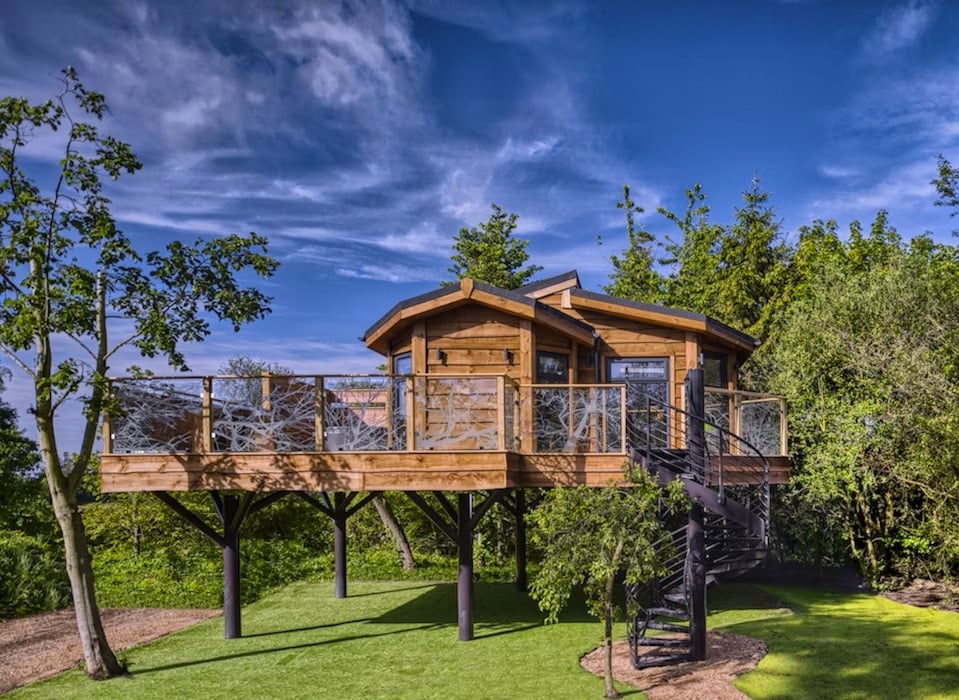
When you picture a treehouse, do you see a wobbly wooden box hanging dangerously on a few limbs? If so, you should refresh that mental picture. Floating treehouse brackets have revolutionized how we anchor these sky-high retreats, blending nature-friendly engineering with comfortable, stable design. These creative brackets give the freedom, flexibility, and confidence you need whether your fantasy is of an adventurous forest canopy lodge or a peaceful garden escape. Ready to learn how your childhood dreams might create a magical reality? Let’s take a deep dive into floating brackets—your best ally in creating a breathtaking, nature-hugging treehouse.
Remember those afternoons spent reading about secret fortresses hidden among the leaves? Well, guess what: that fairytale vibe is absolutely attainable today, thanks to modern bracket technology that lifts your home—quite literally—into the treetops. No longer just for kids, a treehouse can be a full-fledged living space, a guest suite, or even a business venture like a boutique bed and breakfast.
The word “floating” might sound magical, but there’s solid science behind it. Essentially, floating treehouse brackets allow your structure to move in harmony with the tree’s natural sway. Unlike rigid mounts that can stress or even damage the trunk, these brackets distribute weight evenly and permit the tree to grow without constraint. In other words, they’re the reason your treehouse can feel “suspended in midair” without endangering the tree or the occupants.
Here at Treelofts, we specialize in turning your treehouse visions into reality. We bring decades of combined experience in arboriculture, engineering, and architecture to the table—ensuring every branch, bracket, and beam is placed to perfection. Explore more at Treelofts to see how we’ve helped countless enthusiasts transform their yard or woodland into a magical treetop escape.
“Floating Treehouse Brackets”: High-Tech Marvel or Practical Safety Gear?
1. Peek Inside the Structure: How Do They “Float”?
Conventional treehouse supports often involve drilling large beams or posts directly into a tree’s trunk or the ground, sometimes straining the tree or making the entire assembly more rigid. Floating brackets rely on specialized pivot points and sometimes cable systems that let the platform respond to wind, weight shifts, and tree growth without cracking or bending. Think of it as a dynamic dance between nature and engineering.
2. Comparing to Standard Brackets: A Simple Diagram in Your Mind
- Traditional Brackets: Rigid connection to the trunk, minimal allowance for tree movement.
- Floating Brackets: A flexible yet stable mount that reduces stress on the tree and the structure.
The difference is night and day when you’re staying in a canopy-level hideout during a windstorm. With floating brackets, you can enjoy gentle rocking rather than jolts and creaks.
3. Unbeatable Sky-High Experience
Because floating brackets absorb and distribute forces, your treehouse remains steadier underfoot. That means you can host family dinners or even lively gatherings without worrying about unsettling wobbling. Instead, you get the pure joy of being surrounded by rustling leaves and panoramic views.

Why “Floating Brackets” Are a Must-Have Upgrade in Treehouse Building
1. Protecting the Tree, Extending Treehouse Lifespan
Conventional installations sometimes pinch or cut into the tree bark, risking infection or stunting growth. Floating treehouse brackets minimize direct harm by allowing trunk expansion and slight movement. As a result, the tree continues to thrive, and your treehouse remains safe and strong for decades.
2. Comfort Meets Beauty
A wobbly treehouse might be momentarily exciting, but constant sway can be disorienting or nerve-racking. Floating brackets stabilize day-to-day living while preserving that enchanting “above it all” vibe. What’s more, you can conceal the brackets within the design so the structure appears to magically hover among the branches.
3. Flexible Layout for Multiple Scenarios
Not every treehouse is a small backyard nook. Some are multi-level B&Bs or large commercial platforms for outdoor weddings and corporate retreats. Floating brackets accommodate all shapes and sizes, letting you expand or modify your design with minimal fuss. So whether you’re building a modest retreat for lazy afternoons or a sprawling canopy resort, these brackets have you covered.
4. Real-Life Success with Treelofts
Over the years, Treelofts has installed floating brackets on everything from slender maples to massive oaks, ensuring each project’s unique demands are met. We’ve witnessed how minimal stress on the trunk prolongs both the tree’s health and the treehouse’s structural integrity. Our before-and-after stories often surprise clients who never thought a treehouse could be both elegant and built to last.
Understanding Basic Physics Before You Buy: No Snooze-Fest, Promise!
1. Load and Support: A Quick-Start Guide
Ever wonder how a wooden platform high off the ground can hold people, furniture, or even hot tubs (yes, we’ve seen that!)? It all comes down to load distribution. Floating brackets help distribute weight across multiple points so that no single section of the trunk is overloaded. This ensures you won’t compromise the tree’s health or stability.
2. TAB (Treehouse Attachment Bolt) and Floating Bracket Synergy
Treehouse Attachment Bolts are specialized fasteners designed for minimal tree damage. When paired with floating brackets, they form a powerful duo. The TAB locks into the trunk, and the bracket “floats,” allowing the structure to shift gently without tearing the bark or restricting sap flow. This synergy drastically reduces the need for multiple invasive screws or nails.
3. Protective Layers and Shock-Absorbing Materials
Sometimes, a small buffer—like a rubber gasket or specialized clamp—sits between the bracket and the tree bark. This cushion further lessens friction and shock, giving the trunk room to move. Meanwhile, waterproofing or anti-corrosion layers keep metal components from rusting, even in damp forest environments.
Learn More: https://treelofts.com/how-to-build-a-tree-house/

Safety and Eco-Friendliness: Cohabiting with the Canopy, Not Invading It
1. Prioritizing Tree Health at Every Step
Trees are living organisms, not inert building blocks. A floating bracket design respects the tree’s cyclical growth and seasonal changes, preventing trunk strangulation or ring separation. When you care for the tree, you’re effectively protecting your investment. After all, a withering trunk spells bad news for any overhead structure.
2. Minimizing Construction Impact
Large-scale treehouse installations can disturb local wildlife if not planned carefully. From choosing quieter power tools to scheduling construction during less sensitive times for animals, you can maintain a peaceful forest environment. Floating brackets also reduce the need for heavy ground-based pillars, preserving the undergrowth and root systems below.
3. Sustainable Material Choices
Opt for FSC-certified lumber, recycled metal alloys, or eco-friendly composites. This lowers your carbon footprint while guaranteeing robust, long-lasting brackets and beams. At Treelofts, we champion designs that tread lightly on natural habitats, letting the forest remain as undisturbed as possible.
4. Nurturing a Harmonious Ecosystem
Animals welcome your presence rather than run from it when you combine thoughtful engineering with low environmental disruption. If you see birds building nests under your deck or squirrels running about nearby, you won’t be surprised. This synergy adds real-world enchantment to your already picturesque treetop dwelling.
Installation 101: Nailing “Floating Treehouse Brackets” in One Go
1. Step One: Tree Assessment and Planning
Begin by consulting an arborist or a specialized treehouse engineering team. They’ll evaluate the tree’s species, age, diameter, and root stability. Sketch a preliminary design to identify possible bracket locations, factoring in trunk girth, prominent limbs, and the angles needed for load distribution.
2. Step Two: Acquiring or Custom-Fitting Brackets
Not all brackets are identical. Some come pre-made in standard sizes, while others need custom fabrication for tricky trunk shapes or heavy load demands. Consider if you’ll add extra shock absorbers or if you need specialized hardware for high-wind zones. Always double-check product specs to match your project scale.
3. Step Three: Methodical Installation
- Measure Twice, Drill Once: Mark anchor points with precision.
- Insert TABs: The treehouse attachment bolts go in first, ensuring minimal bark damage.
- Attach the Floating Brackets: Align brackets carefully, confirm angle and tension, then fasten them snugly.
- Check Leveling: Use a spirit level or laser to confirm that each bracket is even, preventing lopsided floors.
4. Step Four: Testing and Fine-Tuning
Watch how the brackets behave under both empty and loaded conditions. If the structure rests at an awkward tilt or the trunk looks overly strained, you might need to readjust angles or insert extra support. A final stress test—walk, jump, place some weight—helps confirm everything is secure and balanced.
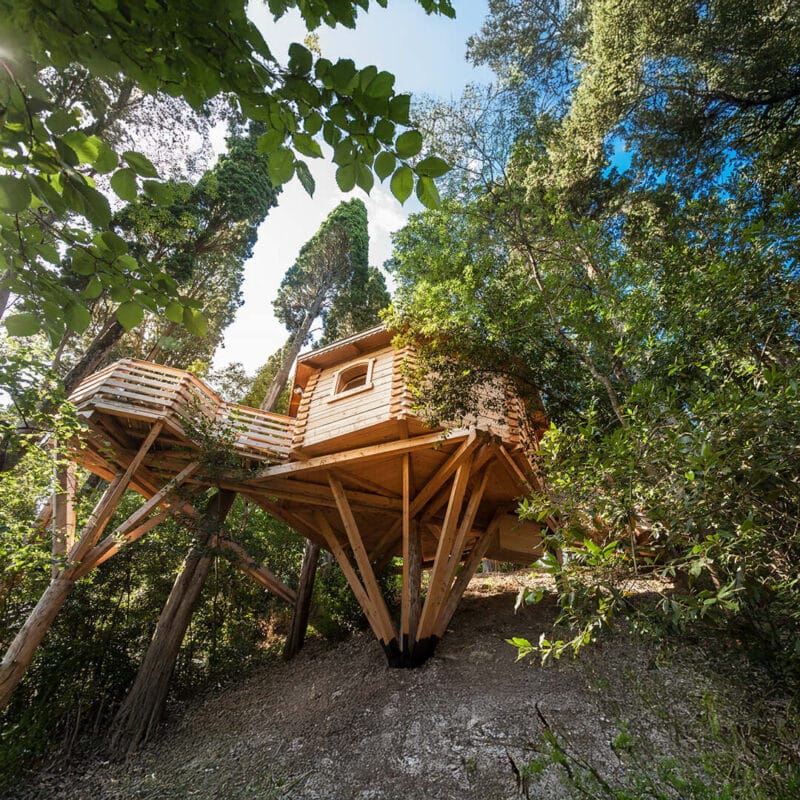
Common Pitfalls and “Gotchas”: Avoid Turning Your Brackets into a Nightmare
1. Pitfall #1: Skimping on Quality Hardware
A bracket might look like a bracket, but cheaper metals lack corrosion resistance or tensile strength. After a few months, rust sets in, or warping occurs, endangering the entire platform. Trust reputable brands or custom fabricators recommended by professionals like Treelofts.
2. Pitfall #2: Random Drilling Hurts the Tree
Trees have active xylem and phloem layers for nutrient transport. A poorly placed or oversize hole can compromise these systems, stunting the tree’s life or exposing it to infection. Meticulous planning is non-negotiable.
3. Pitfall #3: Overlooking Dynamic Loads
It’s not just about how heavy your couch is; it’s also about the force of people moving, water in a hot tub, or a group dancing during a family get-together. If you forget these dynamic loads, you risk surpassing safe stress thresholds.
Making “Floating Treehouse Brackets” Even More Exciting: Enhance Your Treetop Life
1. High-Altitude Camping and Stargazing
Install a simple sleeping platform or transparent roof section. Imagine the Milky Way shimmering overhead while you rest in a snug sleeping bag. Floating brackets keep your “sky tent” calm, even on breezy nights.
2. Overhead Parties and Gatherings
With a stable bracket system, you can invite friends for a treehouse barbecue or a night of cocktails under twinkling string lights. Your deck will comfortably hold multiple guests, allowing laughter to echo through the forest rather than structural groans.
3. Rope Swing, Slides, and Climbing Walls
For adventurous souls, attach a rope swing right beneath the platform or incorporate a small climbing wall leading up the trunk. The gentle flex of floating brackets ensures you won’t throw the entire structure off balance whenever someone swings out over the forest floor.
Conclusion: Embark on Your “Floating Treehouse Brackets” Journey with Treelofts
Are you prepared to see your living area in the woods, hung between ground and heavens? It is about a totally new way of life, not only about engineering. Whether you’re dreaming of a personal family sanctuary, a show-stopping event venue, or a commercial enterprise, floating treehouse brackets are the key to making that dream secure, stable, and endlessly enchanting.
1. Dreams vs. Reality: Only One Click Away
Life’s too short to let your high-flying fantasies remain idle. If you’ve always pictured yourself sipping coffee on a canopy deck, or stargazing from a hammock anchored to rustling branches, now’s the time to act. Pop over to Treelofts.com or shoot us a message.
2. Let a Treehouse Support More Than Just a Structure
Once in place, your treehouse brackets won’t just prop up beams and floors—they’ll support precious memories, heartfelt gatherings, and a lifestyle attuned to nature’s rhythms. This is about living in harmony with the forest, not dominating it.
3. Why “Float” When You Can Soar?
Floating brackets represent cutting-edge design that ensures less stress on the trunk and more joy for you. If your heart yearns for that sense of lightness—of being literally above it all—look no further. With Treelofts, you can experience the sky in a fresh, meaningful way, all while preserving the living pillars that make it possible.

FAQ
FAQ 1: Are floating treehouse brackets safe for long-term use?
Totally. Designed and fitted properly, floating brackets provide both stability and flexibility. They minimize stress on the tree and the construction by helping to distribute weight over the trunk and adjust to natural sway. Frequent inspections and premium materials (like corrosion-resistant metals) help to extend the safety and lifetime of your elevated retreat.
FAQ 2: Do floating brackets harm the tree in any way?
Floating brackets are actually softer on the tree than rigid installations. They let trunk expansion and natural mobility free from pinching or restricting layers of growth. The tree’s health stays whole as long as appropriate attachment techniques—such as Treehouse Attachment Bolts (TABS)—and protective buffers are applied.
FAQ 3: Can I install floating brackets on any type of tree?
Many species—oak, maple, pine, beech—can support a floating-treehouse system if the trunk is strong enough and free from damage. Before any installation, though, an arborist or specialized treehouse builder should assess the integrity and size of the tree.
FAQ 4: What maintenance do floating treehouse brackets require?
Regular inspections are really important. Search metal components for rust; make sure bolts are tight; and be alert for indicators of tree stress—such as bark abnormalities or sap leaks. Professional examinations either annually or biannally are advised to confirm the stability of the brackets and the condition of the tree. A safe, comfortable experience can be preserved in great part by small maintenance.
FAQ 5: Will floating brackets affect my treehouse’s design or interior layout?
Not hardly at all. Actually, by eliminating the necessity for large ground-based supports or inflexible trunk attachments, floating braces can improve your design choices. You will be more free to include large decks, panoramic windows, or even several stories. Treelofts specializes in designing creative, user-friendly layouts that effortlessly combine floating brackets for best look and use.
