


Have you ever considered whether a tree home might be more than just a comfortable refuge among the limbs? Imagine several tiers rising above the ground of the forest, each level revealing a different mood and use. Instead of cramming your entire treetop life into one cramped platform, you could divide it into zones for entertainment, work, quiet reflection, or even a children’s play area. In other words, why settle for a simple cabin in the sky when you can create a vertical “mini-kingdom”? How to Create Multi-Level Tree Houses for Maximum Functionality
Multi-level tree dwellings provide purposes beyond only floor stacking. They enable you explore ideas and uses that improve your viewpoint and sense of enjoyment, therefore releasing a vast field of creativity. You will get the excitement of climbing into the treetops—where every new level presents a different surprise—from the moment you walk onto the first platform.
Still skeptical? Don’t worry, we’ll show you exactly how to transform your lofty dreams into a safe, functional, and downright jaw-dropping reality. And if you find yourself wanting a professional hand, TreeLofts stands ready to help turn your multi-level fantasies into something you can literally climb into.
Can a Multi-Level Tree House Really Offer “A World on Each Floor”? Witness Its Limitless Potential!
A tree house, by its very nature, tends to spark childlike wonder. But when you add multiple levels to the mix, you’re multiplying that sense of enchantment. Each floor can cater to a different purpose—creating a layered environment that easily flows between privacy and social spaces.
- Distinct Functional Zones
Why cram everything into one place if you can spread out? Turn a lower platform into a cozy lounge and bar area for entertaining friends, while a middle tier can serve as a relaxing reading nook or workspace. On top, perhaps you’ll carve out a meditation deck where you can greet the sunrise. Multi-level design unleashes versatility, making your tree house far more than a single-room wonder. - Balancing Privacy and Togetherness
While some people in your house love to mingle, ever want some personal space? With several storeys, you may disappear upstairs to a quiet loft or nap in a hammock without upsetting a vibrant gathering below. The beauty is in allowing everyone a place that suits their requirements without always walking on tiptoe around one another. - Sky-High Gardens or Rooftop Terraces
The possibility to create an open-air patio or rooftop garden close to the canopy is among the most amazing advantages of a multi-level design. Imagine a little vegetable patch or a verdant flower bed tucked up in the heavens with expansive vistas of glistening lakes or undulating hills. It’s the material of fairytales, realized in your garden.
A multi-level tree home becomes like a vertical neighborhood—offering excitement, leisure, and seclusion in equal measure—because each level may be customized to a different usage. Not sure how to bring all of this about? Keep reading for the nuts and bolts on selecting the ideal location and bolstering your high aspirations.
Location and Foundations: Can Something So Tall Really Stand Firm?
Once you want to develop higher, the next major concern is: just where, precisely, can this multi-level structure safely take root? Although balancing height, stability, and aesthetics can seem difficult, a careful approach to site selection and basic preparation goes a lot toward.
- Choosing the Right Terrain
Contrary to popular belief, you don’t need a totally flat patch of earth for a multi-level tree house. In fact, varying terrains—like slopes or low hills—can add dramatic flair. Still, you’ll want an expert to assess whether the ground is firm enough to support your design. Are there rocky outcrops for stable anchor points? Could excessive moisture or erosion become an issue? - Selecting Your “Hero” Trees
The trees themselves often form a significant part of the load-bearing structure. Healthy, mature trees with robust trunks and extensive root systems are key for multi-level builds. You may also consider tying several trees together with bridging beams to distribute weight more evenly. Want to be sure you’re making the right call? Consult with a professional arborist or the specialized team at TreeLofts. Proper tree selection avoids fiascos like trunk damage or structural instability. - Professional Guidance, Fewer Headaches
Multi-level tree houses aren’t your average home project. Because you’re building multiple floors off the ground, the margin for error shrinks considerably. Partnering with experts who understand complex load calculations and local building codes can save time and money—not to mention your peace of mind.
When you combine a thorough survey, stable trees, and top-notch professional support, you’re well on your way to constructing a stacked tree house that defies gravity without skimping on safety.
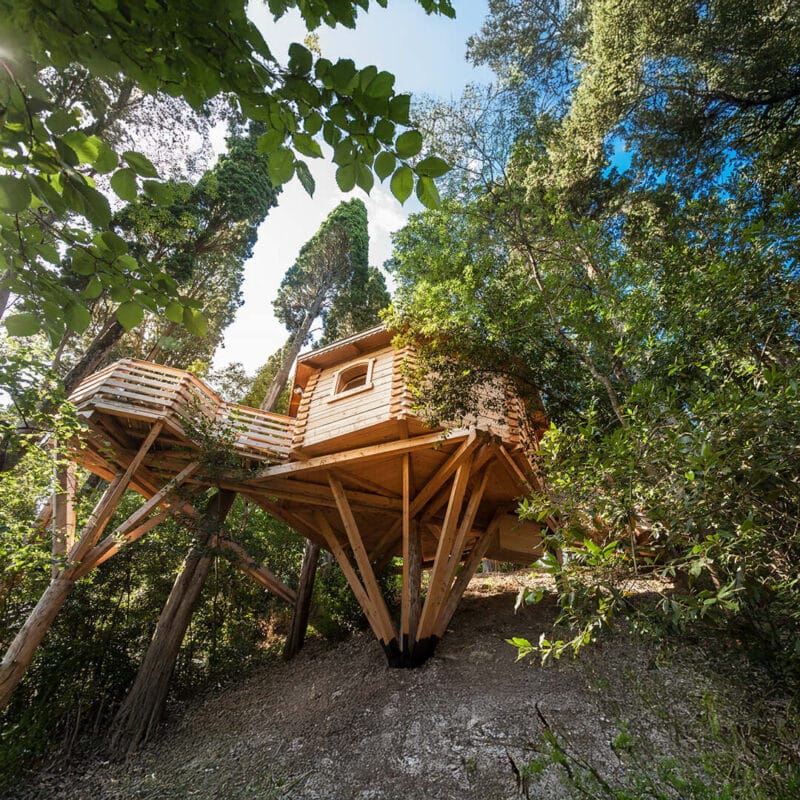
Structural Planning: Can Every Level Feel Like a Dreamy Paradise?
So, you’ve located the perfect trees and your terrain checks out. Now it’s time to figure out exactly how many levels you can realistically pull off—and how each one should be arranged to optimize both form and function.
- Deciding the Number of Floors
Before you dream of an epic, towering spire, take a moment to consider actual feasibility. Maybe you’re fine with two or three tiers, each around 8 feet high. Or maybe you’re eyeing a four-level wonder that commands a panoramic view. Keep tree health, local regulations, and your personal budget in mind. Overambition can lead to unnecessary strain on your supports—and your wallet. - Stairs, Ramps, or Rope Ladders?
Access between levels can be as straightforward as a sturdy set of stairs or as adventurous as rope bridges. A spiral staircase can look magical but might feel cramped, while a ramp could accommodate wheeled carts or those who need easy mobility. This aspect of design says a lot about how you’ll use your space—so choose wisely. You want to feel safe yet inspired as you move between layers of your “forest skyscraper.” - Platforms and Balconies: Blending in the Scenery
Each floor can (and should!) have at least one open-air section or balcony, giving you a front-row seat to nature’s show. Whether it’s sunrise on the eastern platform or an unobstructed sunset on the western side, these vantage points make every level feel special. Pair that with purposeful interior space, and you create a rhythm of enclosed comfort and outdoor escape.
The secret sauce? Strike a harmony between grand aspirations and structural reality. Detailed plans, potential scale models, or digital walkthroughs can be invaluable in refining your design before the first plank is laid. And remember: an expert consultation with TreeLofts can help you pinpoint the sweet spot between maximizing height and keeping things rock-solid.
Materials and Construction: Want a Cloud-Skimming Palace That’s Both Sturdy and Gorgeous?
When building multiple floors in the sky, your choice of materials and construction approach carry extra weight—literally. You need components that are strong yet lightweight, durable in outdoor conditions, and kinder to the trees you’re partnering with.
- Which Materials? Wood, Metal, or Composites?
Many people consider wood to be the gold standard for tree homes; it is inherently beautiful, easy to work with, and can be obtained ethically from FSC-certified vendors. Multi-level projects, however, often gain from reinforcing specific areas with steel supports or composite beams that won’t buckle under stresses. Try for a balance: enough heft for safety without overstressing the trees. - The Power of High-Quality Connectors
If materials are your “bones,” connectors are the “joints.” Specialized bolts, brackets, and tension rods do more than hold the structure together—they also help minimize impact on the tree itself. Invest in hardware specifically designed for tree house projects. Skimping on connectors could lead to wobbly floors, or worse, harm to the very living pillars that make your build possible. - Phased Construction for Safety
Building multiple floors in the canopy is a marathon, not a sprint. A phased approach—where you finish one level, inspect it, and then proceed upward—lets you catch structural or design issues early. It also provides safer working conditions for your crew. If needed, you can erect temporary scaffolding or rope systems to move materials between levels without damaging the tree bark or risking accidents.
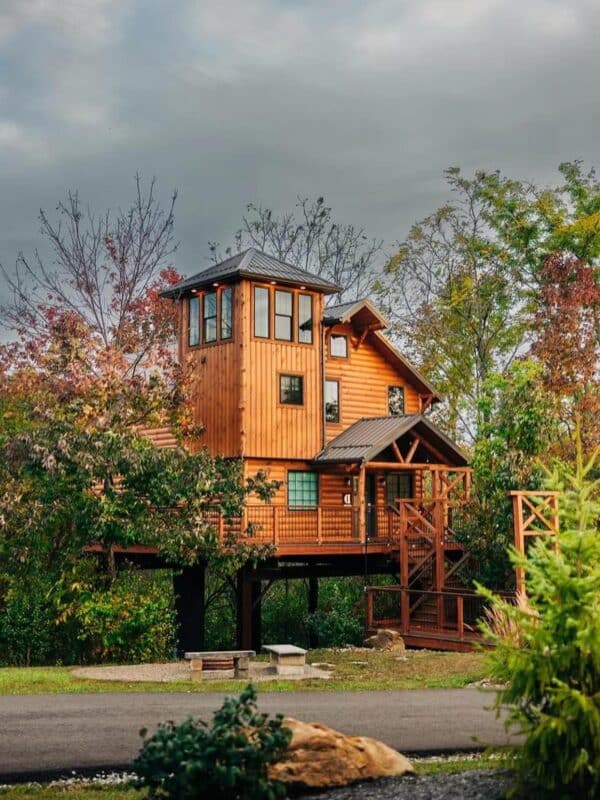
Interior Function Zones: Why Settle for One “Sky Cabin” When You Can Have an Entire Aerial Estate?
The true magic of multi-level design happens when you assign each floor its own unique personality. While every build is different, here are some ideas to ignite your imagination.
- Entertainment Level: Because Life’s Too Short for “Ordinary”
Imagine arriving on a leisure-oriented wide-open deck. Perhaps you have a small bar hidden in one corner, a comfortable outside sofa, and some whimsical hammocks strung in the breeze. Install some ambient lights to provide the ideal environment for friends to giggle around as the forest canopy dances all around you. - Work/Creative Level: Unlock Your Best Ideas Among the Treetops
Nothing combats creative block like being surrounded by nature. A separate platform dedicated to work or artistic pursuits ensures you can maintain focus without giving up the scenic inspiration. Think of a small desk near a panoramic window, a bookshelf carved into the trunk, or even an easel overlooking the horizon—perfect for painting sessions infused with birdsong. - Family and Kids’ Realm: A Playground in the Clouds
For those with children, a family-friendly level can transform your tree house into an enchanted wonderland. After securing floors and railings with extra care, deck the space out with fun features like a mini climbing wall or rope bridge. The aim? Give kids the thrill of adventure while keeping them absolutely safe. Add chalkboards, soft seating, or a reading corner—whatever sparks their curiosity.
Breaking up the interior functions by floor elevates your tree house from a single novelty platform into a multi-layered living experience. You’ll be amazed at how the shift in height fosters different moods and activities—each floor telling its own sky-high story.
Self-Sufficiency in the Sky? Let’s Talk Multi-Level Tree House Utilities
Contrary to what some believe, a tree house—even a multi-level one—doesn’t have to be off-grid or lacking modern comforts. With a bit of planning and innovation, you can have electricity, water, and even eco-friendly waste systems perched safely among the leaves.
- Harnessing Solar and Wind
Why not let nature power your treetop haven? Install solar panels atop your highest platform or near open canopy spaces where sunlight is ample. In windier locales, a small turbine can supplement your energy needs. These setups keep you sustainable, reducing long-term electricity costs and making your lofty domicile a role model for green living. - Rainwater Harvesting
Rooftops are excellent catchment zones for rainwater. With basic gutter systems, you can direct water into storage barrels or filtration systems for daily chores, plant watering, and even showering. If your demands are more extensive, a larger reservoir or portable tanks will let you store water for dryer spells. - Waste Management Done Right
High up doesn’t mean hygiene should slide. Composting toilets and biodegradable waste systems keep things clean while respecting the surrounding ecosystem. Regular maintenance is key—failing to manage waste properly can harm both the tree and the environment you came here to appreciate.
Hot or Cold, Doesn’t Matter! Tips for Year-Round Comfort High Above
Whether you’re basking in tropical sunshine or braving snowy mountaintops, comfort is vital when you’re living several feet off the ground. So how do you manage temperature and climate conditions in a multi-level structure?
- Natural Ventilation is King
The beauty of multiple floors is that hot air can rise to upper levels and vent through skylights or open windows. Large windows on opposite sides of each floor create cross-breezes, turning your tree house into a wind-kissed paradise—especially crucial in warmer regions. - Insulation and Thermal Barriers
Layering insulation into your walls, floor, and even roof will help to trap heat in chilly areas. Without depending on chemical-filled items, eco-friendly solutions include cork, hemp, or sheep’s wool work miracles. Consider these layers as snug winter coats for your tree house, then cooling summer coverings. - Smart Use of Appliances
While nature should do the heavy lifting, you might still rely on a small heater, a ceiling fan, or a compact air-conditioning unit for those extreme weather days. Just be mindful of the added weight and power draw. Also, ensure you select devices with built-in safety features, especially for a wooden structure that’s less than accessible to fire crews.
Learn More: https://treelofts.com/the-forest-haven/
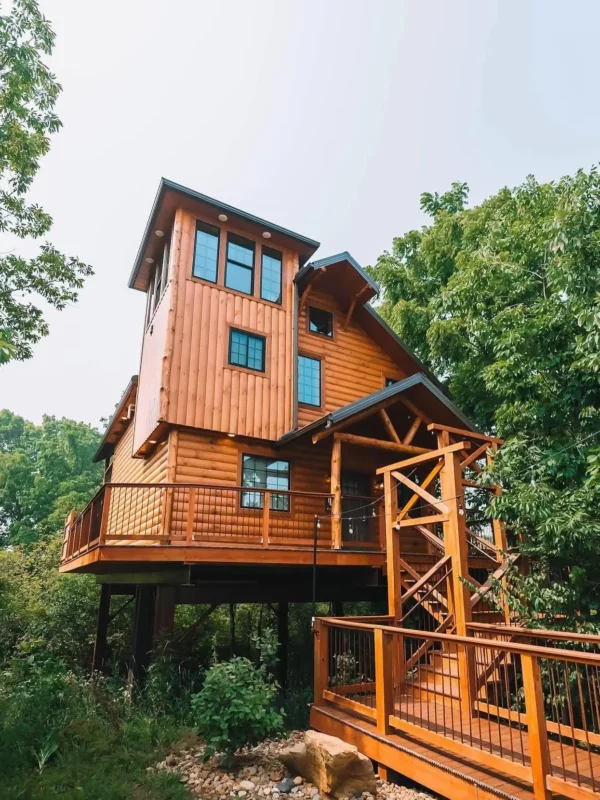
Landscape and Décor: Ready to Turn Each Floor into an Instagram-Worthy Hotspot?
Nothing sets your aerial abode apart quite like thoughtful landscaping and stunning décor. Multi-level tree houses are prime real estate for showcasing your personal style, layer by layer.
- Blending with Nature
Think about a color scheme reflecting the surroundings naturally. Earthy browns, rich greens, or stone grays will let your building fit the canopy. You create a seamless indoor-outdoor illusion by coordinating your interior design details—such as throw cushions or area rugs—with your surroundings. - Creative Lighting Solutions
One can find genuine magic in evening ambiance. While modest path lights or hanging lanterns illuminate paths between floors, warm string lights can define your railings. If you have a sun terrace or balcony, a little fire pit—properly insulated from the wooden surface—gives a warm light for evening parties under the stars.
Every level of your tree house becomes a scene-worthy location by including strategic lighting and décor inspired by the outdoors. Either way, you’ll encourage everyone who sees your changes on social media or just savor the sense of wonder it inspires personally—either method will help everyone to dream large and look up at the trees.
Safety and Security: Can You Dare to Go Bold Without Losing Peace of Mind?
It’s natural to feel flutter of nerves if you are stacked several levels high above ground. The good news is that, given certain basic safety precautions, a multi-level tree home may be both exciting and safe.
- Railings and Edge Protection
Every platform must have sturdy railings. The higher you go, the stricter these standards become. Most experts recommend a minimum height of 36 to 42 inches, though local codes might differ. Don’t skimp on robust materials—metal or heavy-duty lumber that can bear repeated impact and weather conditions. - Emergency Exits and Fire Precautions
Being high in a tree does not mean you should ignore unanticipated planning. Should your main entry be blocked, a secondary staircase or rope ladder could be absolutely vital. Materials and fire-retardant sealants can assist stop flames from spreading; you might also maintain a small fire extinguisher on every level—just in case. - Routine Inspections
Trees grow, weather changes, and materials age. Make it a habit to check your connectors, beams, and tree health at least once or twice a year. Catching small issues early is far easier than dealing with major structural damage down the line. If you’re short on time or expertise, TreeLofts provides inspection and maintenance services to keep your lofty abode in tip-top shape.
A few sensible actions can help you protect the incredible sense of freedom that comes from above the ground—minus the anxiety that something might go wrong. The ultimate objective is Soar high in style, then physically and symbolically relax at night.
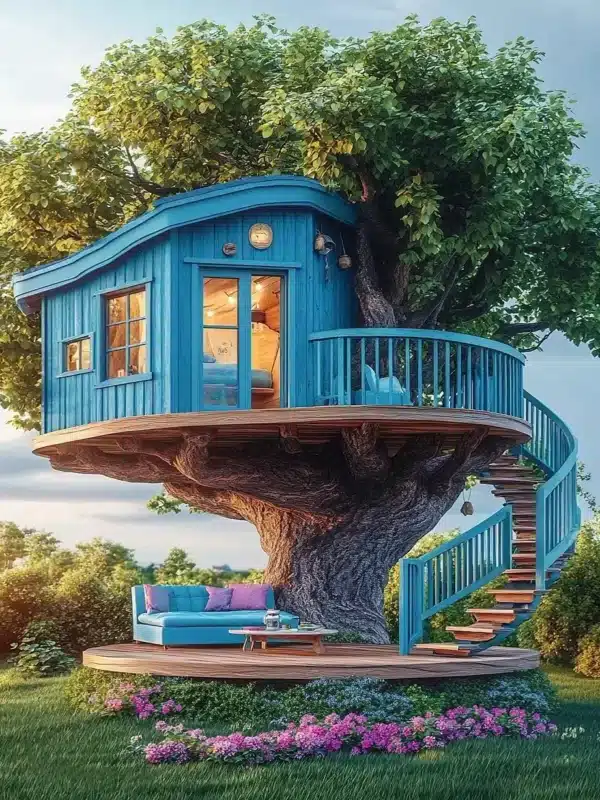
Ready for More? Creative Add-Ons and Infinite Possibilities for Multi-Level Tree Houses
Picture this: Your beautiful multi-level tree house is exactly what you always wanted. That does not imply, however, you have to stop there! As your lifestyle changes, multi-level systems are ready for additions, enhancements, and fresh ideas.
- Modular Expansion
If you designed your floors and platforms with future adaptability in mind, you can add more “rooms” or even new tiers as needed. Perhaps your family grows, you take up a new hobby, or you decide to start hosting weekend retreats. A well-planned layout can accommodate all these changes without requiring a rebuild from scratch. - Outdoor Adventure Amenities
Love adventure? Connect your tree house to a backyard zip line or a rope course. Feeling more meditative? Set up a forest walkway leading to a secret garden or a tranquil reading bench. Embracing the environment around your multi-level home is half the fun. - Business Opportunities
Could your lofty creation become an income generator? Some owners rent out tree houses as Airbnb destinations, while others organize eco-friendly workshops or yoga retreats. Multi-level designs are especially appealing because they allow for separate guest accommodations or communal spaces with ease.
To put it simply, no pun intended—the heavens truly are the limit. Reimagining your tree house down the road is quite simple as long as you have a solid structural and architectural basis. And TreeLofts can provide fresh ideas and solutions to keep your canopy residence gently changing should you require professional help along the way.
Conclusion: Can a Multi-Level Tree House Truly Fulfill Your High-Flying Dreams?
By now, you’ve explored the many facets of building a multi-level tree house—everything from site selection and structural engineering to interior design and future expansions. Is it a lofty challenge? Absolutely. However, it also presents an opportunity to design a unique environment that captures your respect of the surroundings and daring attitude.
A multi-level tree house can be the ultimate evidence of what’s possible when we boldly redefine how we live, whether your dreams are of peaceful mornings staring over misty treetops, wild parties in a sky-high lounge, or a family retreat stirring every child’s imagination.So why wait?
If the thought of ascending to new heights makes your heart race, reach out to the pros at TreeLofts for expert advice, custom designs,together with practical help. They will enable you to fully appreciate vertical living without compromising sustainability or safety. Not too far off, you might be inviting friends into a wood-and- steel tapestry of floors, platforms, and balconies, each level revealing new worlds under the rustling canopy.
Sometimes you just have to climb a little higher to properly admire the surroundings.

FAQ
Does building a multi-level tree house present a more difficult task than a single-level design?
Indeed, it is. Every extra level increases weight and architectural complexity; it calls for careful load distribution, robust stair or bridge connections, and stronger tree or post supports. Still, the difficulties become reasonable with careful design, expert assistance, and dependable gear.
Which kind of tree best supports several tiers?
Usually best are trees with wide trunks, good root systems, and robust, mature wood—that of some oak, maple, cedar, or beech types. The evaluation of an arborist guarantees if a given trunk can handle multi-level attachments or if you need depend on several trunks or hybrid post support.
In several floor buildings, how can I guarantee noise control and privacy?
Use sound-dampening techniques such underlayment specifically designed for noise, insulation, or thicker flooring. Arrange sleeping quarters apart from shared areas and give separate access some thought. On every level, adding curtains, screens, or partial walls helps designate private zones.
Do multi-level tree homes follow accepted building codes?
This depends on the place. Some areas enforce the same rules regarding structural loads and rail heights as for traditional construction. Tree homes are seen by some as adaptable rules-based supplementary buildings. Early consultation with local authorities will enable you to design in compliance with any criteria or, if at all feasible, seek exemption.
