


Dreamy recollections of childhood—climbing a strong ladder, peering through wooden windows, and feeling the soft sway of the branches beneath your feet—often come to mind when one considers tree houses. But in the present day, tree huts have developed from basic backyard hideouts to amazing architectural designs able to revitalize public areas. How Tree Houses Can Transform Community Centers and Parks? Imagine entering your neighborhood community center and seeing, not just a regular structure but also a fascinating tree home tucked amid the trees—a “wow factor” that would immediately pique interest and inquiry.
Why, though, stop at simple imagination? Forward-looking municipal designers and community organizers are working with design professionals all throughout the United States to rethink how people use their public spaces. Right at the center of this movement, TreeLofts guides local leaders in building these distinctive, sustainable, safe, and absolutely Instagrammable tree-based constructions. This new trend will inspire a creative spark and amazement inside you regardless of your interests—nature, community activism, or just adventure seeking.
From Childhood Fantasy to Everyone’s Obsession: Why Are Tree Houses So Alluring?
Think back to the excitement you experienced as a little child dreaming of a secret hiding place far above the earth. Tree homes still captivate us; this is not coincidental. Being up in the air and tucked between branches, away from the hustle of daily life, has something inherently alluring. Far from just providing playground space for children, modern tree homes satisfy many kinds of needs and appeal to all kinds of people.
- Tree homes cut across generations, with universal appeal. Kids enjoy them for the adventure aspect; teens view them as social media gold; adults find them a welcome diversion from regular life.
- nostalgia meets innovation: It’s that ideal mix of old and new—a homage to simpler times, yet including modern architectural ideas and environmentally friendly materials.
- Tree houses function as a lighthouse as they are so aesthetically different. They bring people in, start discussions, and inspire everyone to stay around and investigate.
TreeLofts’ creative approach guarantees a conversation starter rather than merely a wooden platform in a tree. Like a communal tree house from your finest childhood memories, but redesigned for the current world, you get a venue inviting everyone to gather and share experiences.

Break Tradition or Redesign Space? Tree Houses Make Community Centers Anything but Boring
Community centers often bring to mind basketball courts, multi-purpose rooms, and typical meeting spaces. While those are valuable, there’s a new wave of thinking: Why not spice up that standard blueprint with elevated platforms nestled among the branches?
- Defying Conventional Architecture
By introducing a tree house into a community center’s design, you immediately add vertical dimension. Typical buildings sit squarely on the ground; a tree house, however, uses the canopy as an extension of the usable area. Visitors look up, take notice, and get curious—driving foot traffic and building buzz. - Multi-Level Interaction
Tree houses allow for separate zones of activity. Imagine the ground level for general gatherings, a mid-level for small group discussions, and a top-tier deck for solo reflection or creative workshops. Each layer can serve a unique function, making the entire structure more versatile than any flat, ground-level design. - Environmental Awareness & Education
Because you’re literally “among the leaves,” you can create interactive lessons on topics like conservation, the local ecosystem, or the importance of preserving urban green spaces. This sparks an immediate connection between visitors and the natural world—a key step in fostering long-term environmental stewardship.
In many American towns, budgets for new projects often face strict scrutiny. Yet a well-designed tree house can justify its cost by boosting community engagement, hosting profitable events, and promoting a sense of ownership among local residents. Even city councils that are usually resistant to riskier ideas are finding the concept of tree houses to be both refreshingly innovative and surprisingly practical. After all, who doesn’t want to see a crowd of smiling families lined up to explore something so distinctive?
“Tired of the Same Old Park?” Why Not Climb a Tree House for a Brand-New Adventure!
When people consider parks, they usually picture stroll-through paths, picnic tables, and maybe a playground. To be honest, though, occasionally the novelty fades and attendance may level out. Including a tree house could be the ideal way to inject new vitality and enthusiasm.
- Multiple Activity Zones
Integrate ropes, bridges, and slides into the design to create an engaging adventure course. Children will see it as a thrilling challenge, while adults might find an appealing vantage point to relax or snap photos. - Nature Immersion
A tree house by definition immerses you in greenery. Instead of just strolling on the grass, visitors get an elevated experience. They can observe bird species, spot squirrels, and appreciate the rustling leaves at eye level—all elements that deepen respect and love for the outdoors. - Event Hosting
Think of booking a tree house for birthday parties or small gatherings. It’s a unique venue that can command a modest rental fee, helping the park generate revenue for future improvements. Many parks that have installed tree houses end up on local “must-visit” lists, doubling their visitor numbers in just a few months.
TreeLofts’ strong design techniques will help you to relax about the usual “rustic” issues like exposed nails or shaky planks. Their designs center on long-term durability, weather-resistance, and low environmental effect so you may welcome the whole neighborhood to hang out free from any concerns about environmental damage or safety.
Reigniting Neighborhood Spirit: How Do Tree Houses Connect the Most Genuine Community Interactions?
One creative idea sometimes is all it takes to inspire a whole neighborhood. Tree homes have this amazing power to be a social catalyst, bringing people together in ways more traditional gathering places simply cannot do.
- Collaborative Building Process
In some communities, residents are invited to contribute skills, materials, or even creative ideas for the design. That sense of shared ownership invests neighbors in the project’s success and fosters pride in the final result. - Activities with Purpose
Tree homes have purposes beyond only climbing and horizon gazing. They may turn into the venue for seminars on bird-watching, recycling, or gardening. Local young groups, charities, and educational initiatives can make use of the facility to advance their goals. - Fostering Empathy Across Ages and Cultures
Under a canopy of leaves, picture a group of elderly individuals teaching teens some construction skills as they assist maintain the tree home or a cultural exchange event featuring several meals or art forms. The environment fosters laid-back communication and a common wonder.
Cool Doesn’t Mean Careless: How to Strike the Perfect Balance of Tree Houses Design and Safety
Yes, tree houses are cool. But at the end of the day, they need to be structurally sound, especially when hosting crowds of curious visitors. Achieving both “cool” and “responsibly constructed” is entirely possible, and it’s where expert teams like TreeLofts truly shine.
- Comprehensive Site Evaluation
It starts with checking the health of the host tree or group of trees. Often working jointly, arborists and structural engineers guarantee the branches and trunks are strong enough to support weight. - Eco-Friendly and Durable Materials
Instead of cheap plywood, sustainable and pressure-treated lumber is usually the go-to. Coupled with weather-resistant fasteners, your tree houses can stand up to harsh winters or scorching summers without damage. - Rigorous Safety Standards
There is no cutting of corners; handrails, anti-slip surfaces, appropriate load distribution. Building code compliance is only one aspect; it’s also about giving every guest—from parents clicking pictures to young children running about confidence. - Regular Maintenance
Like any system, regular maintenance and inspections are absolutely vital. From the state of the tree itself to the wooden platforms, annual checks ensure everything is in great shape.
Working with a professional outfit gives you the simplicity of a one-stop solution from idea to reality with continuous assistance. TreeLofts, for example, manage design details, safety precautions, and environmentally friendly building materials to free you to concentrate on how best to use this raised area to benefit your community.
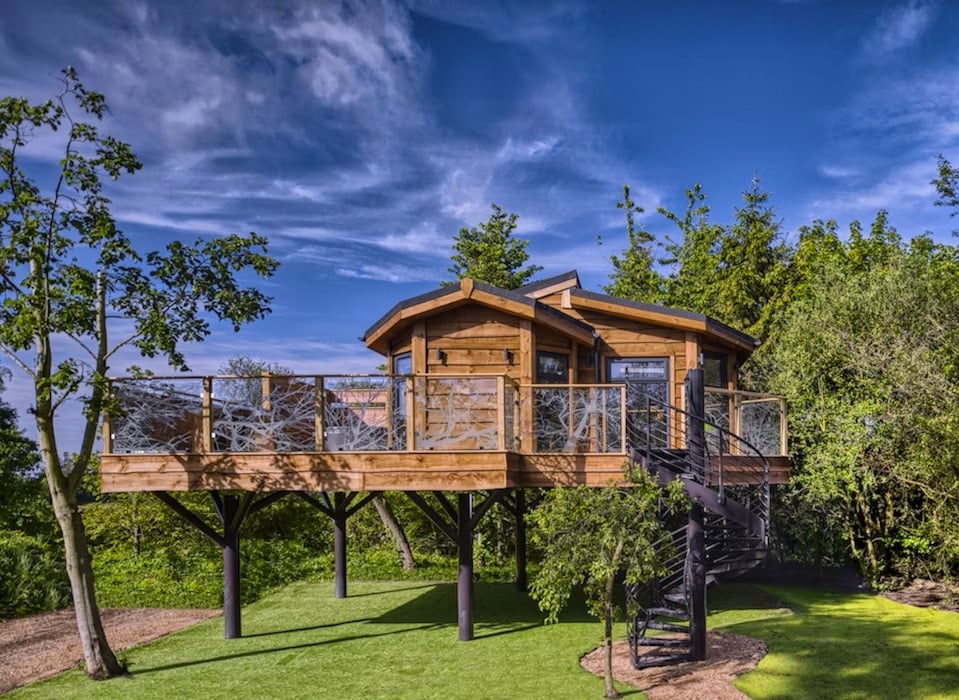
Use the Right Approach, and Tree Houses Will Yield More Economic and Social Returns Than You’d Think!
Budget-conscious stakeholders may first object to large-scale project like a tree house. Still, the results frequently tell eloquently about both financial gains and intangible societal benefits.
- Boosted Tourism
In many regions, unique attractions quickly become the talk of the town—and even the talk of social media. A one-of-a-kind tree house can put a smaller city on the map, driving weekend trips from neighboring areas. - Revenue from Events
Hosting ticketed events, guided tours, or themed experiences—like “Sunset Yoga in the Treetops”—can be a lucrative way to maintain and expand the structure. Such programming not only covers upkeep costs but can also bring in steady funds for other community projects. - Increased Public Goodwill
When a local government or nonprofit invests in innovative, eco-friendly spaces, public sentiment often turns positive. This goodwill can translate into smoother future projects and a more cooperative civic environment. - Long-Term Sustainability
Using green building ideas—such as reused wood, solar-powered lighting, or zero-waste policies—the tree houses becomes a sustainability model. This demonstrates to the community—and possible investors—a dedication to ethical growth.
From a Flash of Inspiration to a Real-Life Build: Global Tree Houses Success Stories Unveiled
Sometimes, the best way to fuel your own vision is by hearing about success stories. Tree houses aren’t just popping up in American suburbs; they’re becoming cultural landmarks all over the world.
- United States: Urban Green Spaces
In bustling cities like Portland and Austin, tree houses have been incorporated into public parks to encourage residents to explore local flora. They host seasonal festivals and farmer’s markets right underneath, merging modern living with a nature-first mindset. - Japan: Minimalist Wonders
Known for their unique architectural expressions, Japanese designers focus on harmony between the structure and the tree. Some community centers utilize tree houses as reading nooks or meditation spots, reinforcing the nation’s deep appreciation for mindfulness. - Europe: Cultural Fusion
Places like Germany, France, and the Netherlands have leveraged tree houses in cultural festivals, featuring pop-up art galleries or mini-concert stages suspended a few feet above the ground. It’s the perfect marriage of heritage and ecological awareness.
If these global innovators can do it, why not your community? TreeLofts stands ready to help you channel these international ideas into a design that resonates with your local identity. Their team has been inspired by such examples worldwide, bringing a wealth of cross-cultural insight to every project they undertake.
When “Local Culture” Meets Tree Houses, What Enchanting Sparks Will Fly?
No two communities are the same, so why should their tree houses be identical? By weaving local art, history, and cultural essence into the very blueprint of a structure, you create a sense of belonging and excitement that store-bought solutions could never replicate.
- Cultural Art & Decor
Think murals depicting local legends, or handcrafted elements that pay tribute to a city’s ethnic roots. These personal touches encourage residents to feel that the tree houses truly represents them. - Themed Events
Host film nights showcasing regional directors, or cultural exchange evenings where people share cuisine from different backgrounds—all inside or around a tree house. The novelty of the setting alone is enough to get people intrigued. - Tradition Meets Innovation
Perhaps your city is known for its musical heritage—incorporate a small stage and acoustically mindful design into the tree houses for impromptu jam sessions. Or if local history highlights early settlers, integrate elements of that story into the woodwork or signage.
A Dream Is Lovely but Execution Is Key! Essential Steps for Tree Houses Planning and Implementation
A tree house might start as an exciting brainstorm, but successfully bringing it to life requires a clear roadmap and expert guidance. Here’s how to move from dream to reality:
- Initial Feasibility Study
- Identify potential sites and evaluate the tree health.
- Consider visitor capacity, parking, and possible impact on local wildlife.
- Budget and Funding
- Explore grants, sponsorships, and local partnerships.
- Assess whether ticketed events, membership programs, or city funds can sustain long-term operation.
- Design and Collaboration
- Hire a team that includes architects, engineers, and arborists for a well-rounded perspective.
- Involve the local community for feedback, ensuring the project aligns with resident needs.
- Permits and Approvals
- Check municipal building codes and environmental regulations.
- Obtain all necessary permits to avoid legal snags down the line.
- Construction Phase
- Use eco-friendly materials and best practices that prioritize tree health.
- Adhere to rigorous safety standards to ensure everyone—from children to the elderly—can enjoy the structure.
- Marketing and Public Engagement
- Build excitement with social media teasers, local press coverage, and community workshops.
- Plan a grand opening to welcome neighbors and visitors from afar.
- Ongoing Maintenance and Innovation
- Conduct annual inspections and make repairs as needed.
- Keep programming fresh—seasonal festivals, new decor, rotating events.
TreeLofts is your go-to source all during this procedure. Every plank of wood and every bolt is just where it has to be, thanks to their successful guidance of communities through like paths. Their seasoned knowledge enables you to negotiate typical obstacles so you may get from concept to ribbon-cutting event with least trouble.
Conclusion: Let’s All “Live” in the Future and Enjoy the Limitless Possibilities Tree Houses Bring!
Tree homes are active venues for social interaction, educational outreach, and cultural celebration rather than only fanciful hideaways for daydreamers. We inspire people of all ages and backgrounds to re-connect with nature, interact with each other, and rediscover the enchantment of their communities by improving public areas—both physically and symbolically.
If you’re ready to join this growing movement, there’s no need to tackle it alone. Reach out to TreeLofts for innovative designs and custom strategies that suit your local environment and community goals. Their love of environmentally friendly, magnificent tree houses designs guarantees that you will not only create a visually striking construction but also start a chain reaction of good change all across your area.
Accept the opportunity to be unique in a world when most places remain securely on the ground. A well-designed tree home can become the pride and delight of your neighborhood—a symbol of environmental stewardship, harmony, and inventiveness. So why hold back? Bring your childhood dreams to life and see how they become actual, positive reality that inspire togetherness and hope for next generations.

FAQ
What if my area lacks big, mature trees?
Using a post-based or hybrid design, you can still create a tree house with some ground supports incorporated with surrounding trees for partial stabilization or aesthetic appeal. It’s crucial to ensure the ground can support these pillars and that local rules enable such building.
Is a tree healthy enough to support a tree house? How can I find out?
One must rely much on the assessment of an arborist. Strong trunk diameter, no evidence of illness, solid root anchoring, and little trunk hollowing indicate the health of a tree. Trees damaged by insects, big cracks, or rot could be dangerous or call for specific treatments.
Could one create a cosy tree house in a hard winter?
Perfect. A winter tree house can be comfortable with enough insulation, weatherproofing, and thoughtful solar orientation. If you expect significant snow loads, plan for more structural support; also, consider incorporating passive solar designs or other heat sources.
Does a tree house call for the same licenses as a typical home addition?
Rules vary by region. Some places treat tree houses like conventional constructions, while others designate them as accessory structures. Always verify local building codes, setback policies, and environmental protections before construction.
