


Imagine this: a meandering woodland road brings you to a clearing covered in a cluster of creatively constructed tree homes from the canopy. Sunlight dances over leaves, birds sing far away, and a light breeze whispers the branches underfoot. Welcome to the new frontier of sustainable tourism and real estate—eco-friendly tree house initiatives.
But wait, you might ask, how do commercial ventures and environmental consciousness align so seamlessly? The short answer: we’re in an era where consumers demand experiences that do more than offer luxury and comfort—they also want to see genuine stewardship of nature. This craving for authenticity and purpose has paved the way for tree house projects that not only gratify wanderlust but also nurture local communities, ecosystems, and investor returns.
Over the last decade, entrepreneurs from all corners have realized that tree houses represent more than childhood nostalgia—they are unique, immersive, and socially impactful. Paired with proper execution, these arboreal gems can yield remarkable profit margins while telling an uplifting story about protecting the environment. And that’s precisely why an eco-friendly tree house venture might be the one “green dream” where capitalism and conservation not only meet but thrive together.
Eco-Friendly Tree Houses: Why Are They Suddenly the “Next Big Star” for Investors?
To be honest, the phrase “eco-friendly” has become a buzzword applied to everything from hotel towels to plastic straws. However, environmentally friendly tree homes represent a real dedication to protect the earth, not a marketing filler. Investors paying attention makes perfect sense.
Rise of Sustainable Travel and Experiential Living
Travelers now seek transforming experiences, not only hotels or house rentals. They want for visually arresting, distinctive, and closely related to the local surroundings accommodation. Perched amid a canopy of old pines or tropical palms, a tree home causes amazement right away. Higher booking rates, social media attention, and an unquestionably word-of-mouth multiplier follow from this “wow” element.
Data-Driven Demand for Green Initiatives
Global market trends underscore the shift: more than half of worldwide travelers say they’re willing to pay a premium for ecologically responsible accommodations. As nations tighten sustainability guidelines and implement green building incentives, tree houses become an appealing, low-impact alternative to traditional resorts.
Tangible Impact + Tangible Returns
While intangible benefits such as brand image or positive press coverage certainly help, real, quantifiable returns seal the deal. Investors can see how tree houses could outperform average boutique hotels when it comes to occupancy rates, repeat visitors, and per-night pricing. The added perk? A tree house development often requires less disruptive construction, saving on infrastructure costs—assuming the design respects and preserves the local trees and habitat. Less environmental harm + a captivating story = big potential wins for everyone involved.

How to Capture Investor Attention? The Four Major Highlights of a Tree House Project
Developing an eco-friendly tree house is more than building something cool—it’s about designing a holistic venture that addresses market opportunities, financial viability, sustainability, and emotional resonance. Here are four highlights bound to make savvy investors look twice.
Stand Out from the Crowd with Distinctive Positioning
Ever scroll through endless property listings only to find each one more predictable than the last? That’s the opportunity with tree houses: they provide a uniquely compelling selling proposition in a saturated market. One-of-a-kind visuals, immersive nature experiences, and a romantic “back to basics” narrative—all of this instantly catches the eye. In a world overflowing with cookie-cutter hotels, a tree house project becomes an unforgettable offering, likely to command premium pricing and robust demand.
High Profit Margins Thanks to the “Wow” Factor
An eco-friendly tree house can often charge nightly rates comparable to (or even exceeding) upscale boutique hotels. Why? Rarity. People crave unique experiences and are willing to pay for them. The shortage of truly top-tier eco-lodgings means you can justify higher tariffs. Further, any well-done marketing campaign can quickly go viral on Instagram, TikTok, or travel blogs, ensuring consistent bookings. Investors perk up when they see the potential for premium pricing with relatively moderate overhead once the structure is up and running.
Versatile Use: It’s More Than Just a Vacation Rental
Who says a tree house can only host tourists? A well-designed canopy lodging space can double as:
- Companies ready to organize “off-the-grid” team-building events or creative brainstorming camps will schedule corporate retreats.
- Weddings and Events: For small ceremonies and milestone celebrations, people adore a picturesque, whimsical location.
- Working from a tree house is a growing trend whereby remote workers welcome a change of environment to increase well-being and output.
これは multi-purpose angle spreads potential revenue across various seasons and demographics. Investors see a future-proof model rather than a niche whim.
Demonstrating Positive Ecological and Social Impact
Corporate Social Responsibility (CSR) is more than a feel-good bullet point; it’s increasingly vital for brand reputation, public relations, and ethical investment portfolios. A tree house project that actively preserves forested land, fosters local employment, and respects nearby communities becomes a shining example of conscious capitalism. By measuring and showcasing these benefits—like reforestation efforts or local wildlife conservation partnerships—you demonstrate a well-rounded venture that resonates with both the public and regulatory authorities.
Does Market Research Need “Cheat Codes”? How Precise Positioning Leads to Rapid Success
Before you start assembling wooden beams or scouting picturesque treetops, thorough market research is critical. But how do you approach it with the gusto needed to stand out?
Identify Your Core Audience
Who is most willing to scale a tree to sleep under the stars? Adventure-loving millennials? Young couples seeking a romantic retreat? Creative professionals craving an offbeat office? Each demographic requires a slightly different marketing approach.
- Adventure-Seekers might want zip-lining, hiking trails, or canopy tours.
- Wellness-Focused Tourists desire spa treatments, meditation decks, or birdwatching tours.
- Remote Workers look for reliable Wi-Fi, quiet surroundings, and a stable desk setup.
Pinpoint your ideal traveler segments, and design experiences that speak directly to their wishes.
Location Matters—Forest, Coastline, or Suburban Outskirts?
Not every piece of land with trees can become a tree house paradise. Evaluate factors like:
- Accessibility: How easy is it to reach from major roads or airports?
- Local Attractions: Natural wonders, scenic views, wildlife, or cultural elements that amplify the “wow” factor.
- Infrastructure: Are utilities (water, electricity, broadband) feasible, or are off-grid solutions more appropriate?
プロからのアドバイス: If you can provide seclusion without total isolation, you may find the ideal balance appealing to a large spectrum of guests.
Understand Zoning, Permits, and Legal Constraints
Eco-friendly or not, you can’t just build in the forest without checking local land use policies. Some regions have strict guidelines on how much you can develop, the materials you can use, or how high structures can be. Research these details meticulously—or else you might face compliance nightmares down the road. Demonstrating full legal alignment early on can also make investors breathe easier, knowing your plan won’t be derailed by fines or forced closures.

How Does a “High-Altitude” Green Concept Land Safely? Unveiling Sustainable Design and Construction
Imagining the grandeur of a tree house is easy—actually constructing one that is both visually breathtaking そして structurally sound, while minimizing harm to the trees and surrounding environment, is another matter.
Balanced Materials: Where Rustic Charm Meets Modern Safety
Classic timber can exude warmth, but going 100% wood might mean heavier loads and repeated メンテナンス challenges. Meanwhile, modern composites (bamboo-based boards, high-strength aluminum frames) offer lighter weight and reduced stress on the tree trunk.
- Lightweight Advantage: Lower impact on the trunk and roots, easier transport to remote sites, and simpler installation.
- Durability Factor: Materials that are pest-resistant, waterproof, and corrosion-proof will keep your tree house looking and feeling top-notch for longer.
Protect the Trees at All 費用
A tree is a living organism that continues to grow and shift over time. So your structural design must accommodate that. Specialized fasteners or arborist-approved mounting systems can secure the house without strangling the trunk or restricting its growth rings.
- Suspension vs. Bracing: Decide if your design relies on cables from overhead branches or a base platform braced around the trunk. Each method has distinct pros and cons for the tree’s health and the occupant’s safety.
- Periodic Health Checks: Even if your tree starts out strong, storms, pests, or diseases can pose threats down the line. Schedule annual or semi-annual inspections to ensure everything remains sturdy and safe.
Eco-Focused Utilities
If you really want a green business, think about how you treat waste management, heating and cooling, and power.
- Particularly if they are above the canopy, tree houses often have great solar exposure. Your electricity use can be balanced by solar panels.
- Big roof surfaces can gather plenty of rain, which can be filtered for sink and shower use.
- Sustainable waste disposal that lowers chemical use and water consumption via composting toilets.
While implementing these systems might mean higher up-front costs, they can significantly reduce the long-term environmental footprint. More importantly, they become selling points to eco-conscious travelers.
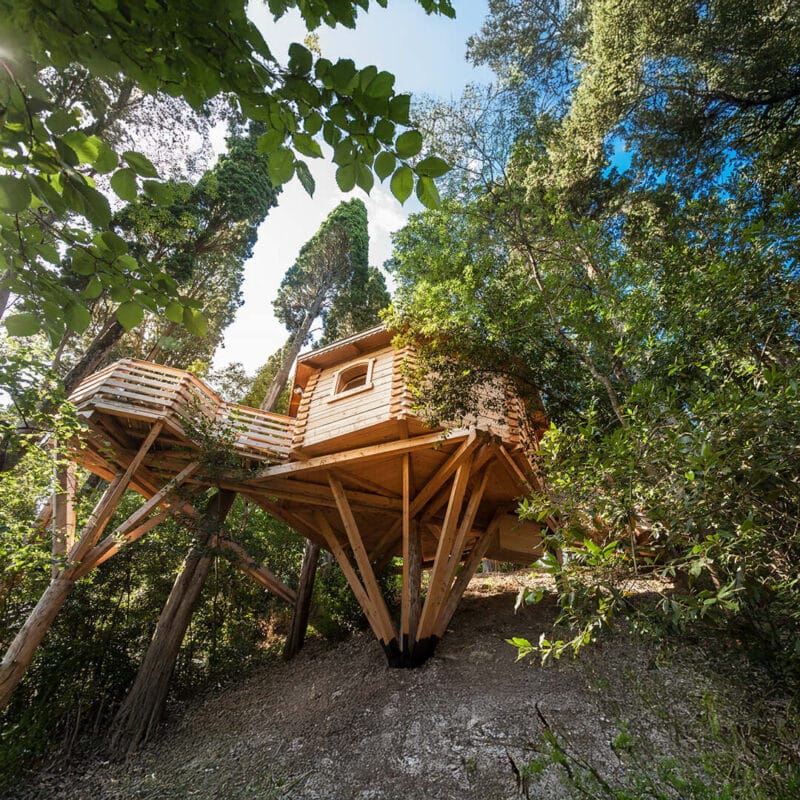
Can Profit and the Environment Co-Exist? A No-Nonsense Breakdown of Costs and Returns
You’ve likely heard people scoff: “Sure, it’s pretty, but is a tree house really viable in the long run?” The reality is that, with careful planning, an eco-friendly tree house initiative can be highly profitable—yes, you can save the planet and fill the coffers.
Up-Front Investment
Initial capital might cover:
- Land Acquisition or Lease: Prices vary widely depending on location and local regulations.
- Design and Construction: Skilled architects, structural engineers, and specialized materials can be costly, but every corner you cut must be considered carefully—compromising safety or quality can hurt you later.
- Permits and Legal Fees: Don’t forget environmental impact assessments and possible re-zoning charges.
Financing Approach: You can pursue a single large capital raise or adopt a phased approach—start with a showcase tree house, gauge demand, then expand based on occupancy rates and investor appetite.
Revenue Streams: Beyond Just Nightly Rates
- High-End Accommodations: Sell premium experiences. Some luxury tree house retreats charge upwards of $500–$1,000 per night, especially if they include exclusive amenities like hot tubs, private decks, or personal guides.
- Extra income can come from birdwatching, guided walks, eco-workshops, or small-scale performances.
- Corporate and Group Events: Your tree houses can accommodate anything from eco-themed business retreats to private weddings, if planned to be mid-sized gatherings.
- Merchandise and Local Products: Sell souvenirs—local crafts, honey from nearby farms, or organic beauty products derived from forest flora—to diversify income streams.
Long-Term Maintenance and Potential Risks
- Tree Growth and Health: You’ll need regular inspections by arborists. Damage from storms or pests might require replacement of supports or partial reconstruction.
- Material Wear: Even eco-friendly composites can fade or degrade if exposed to extreme conditions. Factor in cyclical upkeep costs—sealing, painting, etc.
- 保険と賠償責任: You’re dealing with elevated structures and nature’s unpredictability. Comprehensive coverage isn’t negotiable; it’s a necessity.
Despite the challenges, the potential return on investment (ROI) often outpaces conventional lodging if done smartly. Show investors your plan for risk management, ongoing marketing, and profitability, and you’ll set their minds at ease.
Want Your Eco-Friendly Tree House to Go Viral Overnight? Marketing and Branding Tricks You Must Know
Tree houses look great in pictures. That’s half the battle won right there. But to truly break through the noise, you need a marketing strategy as enchanting as the canopy itself.
Storytelling That Moves Hearts
Numbers and facts matter to investors—but prospective guests? They’re driven by emotion.
- Project Origin Story: Did your childhood tree fort inspire you? Did you discover a hidden forest glade and dream up a new tomorrow? Share that journey.
- The Human-Nature Connection: Describe the serenity of waking up among rustling leaves or the soulful impact of seeing wildlife from your bedroom window.
Omnichannel Presence: Where Are Your Potential Guests?
- Online Booking Platforms: Airbnb, VRBO, Booking.com. High visibility here is crucial for travelers seeking unique stays.
- Social Media Frenzy: Instagram reels, TikTok tours, YouTube vlogs. These platforms can blow up a hidden gem into the next big thing if you collaborate with influencers or produce eye-catching behind-the-scenes content.
- Collaborations: Partner with outdoor brands (like hiking gear companies) or eco-friendly product lines. Co-branded promotions can put your tree house on the radar of adventure enthusiasts.
Building a Loyal Community
Strive to convert guests into ambassadors:
- Membership Tiers: Offer discounted stays, priority booking, or exclusive events for repeat visitors.
- User-Generated Content: Encourage guests to share and tag photos, videos, or even short travel essays about their stay. Repost them, show appreciation, and you’ll develop a sense of genuine community around your brand.
Tree House + Community = Win-Win? How to Elevate Both Eco Principles and Local Economy
A well-executed tree house project doesn’t exist in isolation—it thrives off vibrant interactions with local communities. When done right, it can become a catalyst for regional growth, forging long-lasting goodwill and synergies.
Create Jobs and Offer Skill Training
- Construction and Maintenance: Local labor can be trained in specialized carpentry, eco-material handling, or arborist skills.
- Hospitality and Tours: Hiring local guides, cooks, or workshop facilitators fosters an authentic guest experience.
- Community-Based Services: Partner with local laundry services, grocery suppliers, or artisans to keep business within the region.
Bring Tourism Revenue to the Neighborhood
Your tree house guests won’t spend all their time on-site—that’s where community collaboration truly shines.
- Local Farm-to-Table: Perhaps you offer farm tours or include fresh produce in your tree house’s gourmet meals.
- Artisanal Crafts: Encourage neighboring artists to feature their works, from handwoven baskets to pottery, giving visitors a chance to bring back one-of-a-kind souvenirs.
- Cultural Exchange: Traditional music performances, cooking lessons, or storytelling sessions can deepen the traveler’s experience and enrich local traditions.
Authentic Integration Over Opportunistic Expansion
While the short-term financial allure of expansions can be tempting, remember: overbuilding can degrade the environment and alienate local residents. Mindfully plan your growth in harmony with the region’s ecosystem capacity, cultural richness, and economic landscape. This approach ensures you remain an asset, not a burden.
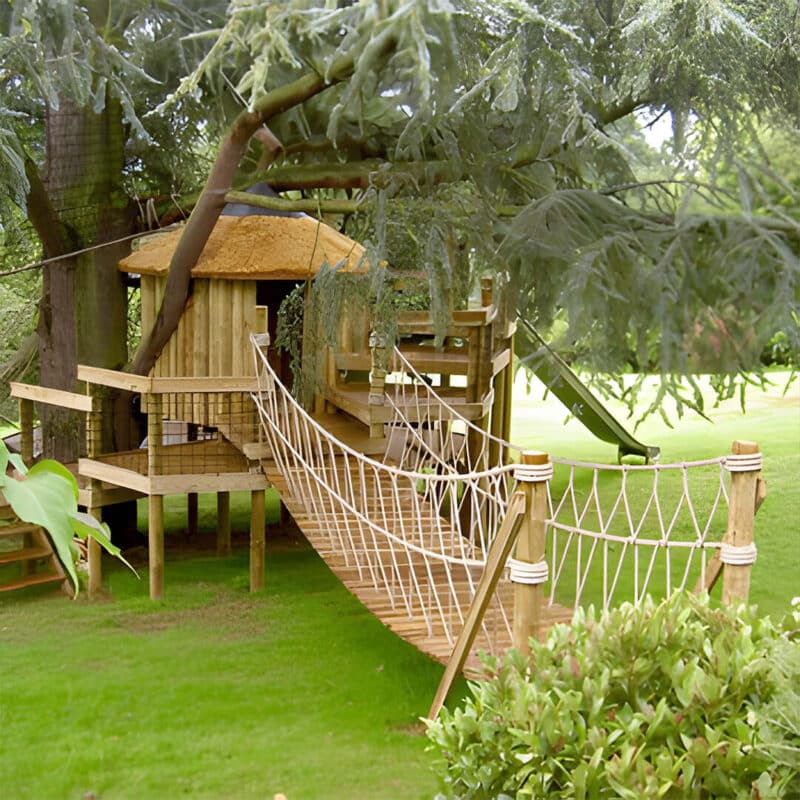
Will the Tree House Sector Keep Climbing, or Is There a Cliff Ahead? A Big-Picture Look at Future and Challenges
It’s easy to get caught up in the current hype, but what does the bigger picture say about the tree house industry’s staying power?
Technology Meets Treetops
- Drone Deliveries: When your site is remote, drones could become the new normal for transporting small supplies or even last-mile guest luggage.
- AR/VR Previews: Potential visitors may soon “tour” your canopy lounge in virtual reality before booking, bridging the gap between curiosity and commitment.
Regulatory Hurdles and Environmental Checks
- Changing Zoning Laws: As eco-tourism booms, local authorities might introduce stricter building codes or user caps to prevent overcrowding and ecological damage.
- Respecting Wilderness: Over-tourism can degrade flora and fauna, ironically destroying the same magical environment that guests travel to see.
Global Eco Trends
From climate change dialogues to reforestation efforts, the world’s focus on sustainability keeps intensifying. Eco-friendly tree houses, in many ways, epitomize how humans and nature can co-exist. If you remain dedicated to genuine green practices, the demand for these experiences will likely keep climbing.
Last Sprint: How to Embrace “Boundless Possibilities Among the Treetops” with TreeLofts
At this point, you might be thinking: “I’m sold. Let’s build a forest empire in the sky!” But how do you start your journey—especially if you don’t have the time, expertise, or resources to handle every tiny detail? That’s where ツリーロフト steps in to make your vision a reality.
Why TreeLofts?
- End-to-End Expertise: From scouting land and assessing tree health, to detailed design, engineering, and marketing strategy, TreeLofts covers it all.
- Holistic Sustainability: We don’t just build showpieces. We ensure each project meets rigorous environmental, social, and structural guidelines, so your tree house stands strong—both physically and ethically.
- Proven Track Record: Having guided multiple eco-friendly tree house initiatives worldwide, TreeLofts has the data, success stories, and operational know-how to back every recommendation.
- Customization & Scalability: Whether you’re dreaming of a single, secluded honeymoon nest or an entire canopy resort, we tailor every detail to suit your brand, budget, and location.
Invest in Both Profit & Planet
Working with TreeLofts lets you invest in something more than just a structure. While helping local communities and producing financial rewards, you are investing in an experience that promotes a closer relationship between people and nature. You will be in front of a movement that resonates much beyond your property boundary as environmentally friendly tree houses continue to grab hearts and imaginations.
最終的な感想
Environmental friendly tree home projects are not only fads. They reflect a radical change in our conception of real estate, hospitality, and our interaction with the natural world. These floating vacations present interesting economic possibilities by carefully combining architectural innovation with ecological ideas—if handled with care, insight, and a real respect of the surroundings.
So, whether you’re an investor seeking the next big venture, a hotelier craving a signature attraction, or an environmental dreamer itching to make a tangible difference, remember: the treetops are brimming with potential. All you have to do is reach out, climb up, and let your business dream soar.
And for those prepared to take that leap, ツリーロフト stands ready to guide, support, and inspire you every step of the journey. Because the best stories are those lived among the branches—where ambition meets sustainability, and guests discover the thrill of truly living above ground.
よくある質問
Q1: Does building environmentally friendly tree houses cost more than building conventional ones?
A: Specialized materials and technologies can cause initial expenses to be more. Long-term energy, water, and resource use reductions, however, usually offset these more upfront costs as well as fewer repairs.
Q2: How can I show my tree house is actually environmentally beneficial rather than merely promoted as such?
A: Third-party certifications, open communication about construction techniques, resource use, and continuous operational procedures along with transparent documentation show consumers and stakeholders credibility.
