


Have you ever come onto an amazing picture of a tree house tucked away in a verdant forest and wondered, “Is that even real?” More and more high-end resorts, eco-lodges, and adventurous homeowners are creating tree houses that seem straight out of a fairy tale, but they are absolutely genuine, luxurious, and shockingly Instagrammable. What magic underlies these amazing constructions? Often the solution resides landscape design in Enhancing Tree House Appeal.
Indeed, a tree house by itself can be charming, unique, and even evocative of early exploits. But when you include smart landscape design—winding walkways, secret seating nooks, artistic lighting, and well chosen flora—the whole experience moves from “Oh, that’s interesting” to “Oh my gosh, I need to go there right now.” And in the competitive travel and hospitality scene of today, the wow element is absolutely pure gold.
Sure, you could just stick a platform between two tree trunks and call it a day. But if your goal is to create a place where visitors feel immersed in nature, see an explosion of social media buzz, and even generate real revenue from guests who can’t wait to book, you need the right synergy between architecture and landscape design. Ready to see how that works? Buckle up, because we’re about to reveal how your tree house can evolve from a simple concept into a dreamlike retreat that practically sells itself.
Think Your Tree House Lacks Character? Can Landscape Design Bring It to Life?
1. From “Disconnected” to “Living in Harmony”
Some individuals get caught on the notion that a tree house could disturb the nearby forest. Is that not invading? Quite the reverse, provided you follow correct technique! A well-designed landscape honors the surroundings and enhances the natural qualities of the ground. Good designers allow the indigenous flora and terrain blossom rather than removing trees or flattening natural features so your tree house blends well into its surroundings.
Imagine walking down a little footbridge onto a wooden platform and hearing leaves whispering in the breeze and birds tweeting above. That’s what “immersive” really feels like, and good landscape design helps to create this unity. You feel like a fortunate visitor invited by the surroundings, not like an intruder.
2. Dual Benefits: Aesthetics Meet Function
Landscape design isn’t just about eye candy (though it provides that in spades). It also tackles the practical side of making a tree house function better. Think about stable walkways, erosion control on sloped terrain, or strategic plantings that buffer strong winds. A professional landscape plan can blend these utilitarian aspects into something visually stunning, ensuring you won’t sacrifice beauty for safety or vice versa.
3. Beyond the Ordinary: A Feeling of “Wow”
You want a tree house that speaks to people’s souls? Then landscape design is your microphone. Subtle changes in elevation, carefully placed bushes that reveal new views at every turn, or a koi pond shimmering at the base of your steps—these touches make every moment an experience. Your guests can’t help but have a “wow” reaction, snapping photos for Instagram and telling all their friends, “You have to see this place!”
Plain, Hills, or Coastline? Which Landscape Can Host Your Tree House with Pizzazz?
Different terraces present different possibilities and difficulties; none of them are built equally. How then do you modify your landscape plan for various settings?
1. Mountain and Hill Regions: Are Steep Slopes a Deal-Breaker?
- Harnessing the Terrain: Rather than waging war on slopes, embrace them! Multi-level decks and tiered gardens let you capture spectacular vistas of distant peaks, rolling mists, or dramatic sunsets.
- Layered Viewpoints: Well-made lookout platforms direct the eye and produce amazing photo opportunities whether you’re staring at a valley or a storm sweeping across the mountains.
- Ecological Safeguards: Be mindful of erosion—choose native plants with robust root systems to keep soil stable and the overall environment healthy.
2. Flat Plains and Waterfronts: Boring or Full of Potential?
- Waterfront Wonder: Got a stream, lake, or wetland nearby? Integrate it into your design with a subtle boardwalk or floating pier that complements your tree house structure. Imagine a platform hovering just above the water’s surface, making each step a memory.
- Bridging the Gap: Guests love strolling along scenic routes. Construct footpaths or wooden walkways that meander around the water’s edge, merging practicality with enchantment.
- Flood Awareness: Flat landscapes can be prone to water accumulation. Smart drainage solutions and slightly elevated platforms ensure your scenic paradise stays high and dry.
3. Tropical Rainforests or Coastal Escapes: High Humidity, High Fun?
- Native Plants Are Your Best Friends: From mangroves to exotic orchids, local species not only protect biodiversity but add an authentic flair.
- Cooling & Ventilation: High temperatures and humidity can be turned to your advantage. Plan your tree house’s orientation and canopy shade to maximize cross-breezes. Incorporate partial open-air structures that let nature’s AC system do the job.
- Adventure Themes: A hidden jungle path leading to your tree house? A rope bridge that opens onto a panoramic beach view? In tropical or coastal settings, your landscaping can hype up the thrill factor with minimal effort.

Want Visitors to Fall in Love at First Sight? How to Create a “Secret Haven” Effect
1. Winding Pathways: Turn Every Step into a Discovery
Ban the bland, straight sidewalk. Instead, shape your walkways to curve around trees or dip behind lush foliage. This “mystery” appeals to guests to keep exploring without knowing what treasure they might come upon around the next turn. Perhaps it’s a secret seat with the ideal view or a wildflower field framing the horizon.
2. Light and Shadow: Daytime and Nighttime Allure
- By Day: Dance of Sunbeams
Encourage sunlight to sift through the treetops, dapple the ground, and highlight interesting textures. Nothing beats a forest floor lit by the sun’s playful glow. - By Night: Fairy-Tale Illumination
After dusk, discreetly placed LED or solar-powered lamps can transform your tree house zone into a magical realm. Imagine stepping onto a softly lit path under the moonlight, the structure above twinkling like a beacon of comfort and intrigue.
3. Build Stunning Photo Ops to Go Viral
- View Decks: An instant crowd-pleaser is a vantage position showing far-off mountains, ocean, or skyline.
- Tree-Top Cafés or Lounges: Would anyone not wish to drink a cocktail or coffee while softly swinging in the canopy? Put some mood lighting, some lounge chairs, and then see the selfies roll in.
- Art Installations: Eye-catching sculptures, water features, or interactive elements become shareable centerpieces on social media. One mural or metallic art piece can create thousands of hashtags in no time.
Forest Color Palette: How Do Plants and Flowers Spark Extra Flair?
1. Four Seasons of Magic: Embracing Nature’s Palette
- From brilliant azaleas to pastel wildflowers, let your guests savor a kaleidoscope of colors that revitalize the senses following a frigid winter.
- Lush, thick vegetation not only offers cover but also naturally cleans the air and gives a cool haven from the sweltering heat.
- Maple reds, golden ginkgo leaves, or sparkling birches will transform your yard into a masterpiece fit for postcards.
- Whether it’s evergreens or a simple “snow garden,” a well-considered winter landscape can seem calm and otherworldly even as temperatures drop.
2. Layering 101: Tall, Medium, and Low
Create visual depth with strategic plant groupings. Tall trees form the canopy, mid-height shrubs provide density, and ground cover plants or flowers fill in the final layer. This approach keeps your environment from looking flat or barren.
3. Specialty Gardens: Elevate the “Backyard” Concept
- Basil, mint, lavender—these small plants make a great sensory impact in a garden. Imagine visitors inhaling in that fresh, stimulating scent as they pass a rosemary shrub.
- Raked gravel, creatively arranged stones, and mossy elements in Zen-Style Rock Garden can help your area to seem peaceful, ideal for meditation areas.
- Plant fruit-bearing trees or berry bushes to create a little “harvest experience” in your yard. Picking fresh food or trying local jams makes guests happy and helps them to connect more deeply with the ground.
Learn More: https://treelofts.com/the-timber-ridge-hideaway-colorado-springs/
Is Sustainability a Gimmick, or Can You Really Merge Eco-Values with Tree House Landscaping?
True luxury is about coexisting with nature in a way that enhances the human experience and the surroundings rather than about abusing it. Here’s how you go from a buzzword to make sustainability more than that.
1. Conscious Materials and Ecosystem Preservation
Choose recyclable or renewable materials; consider low-carbon concrete or bamboo or salvaged wood. This not only reduces your environmental impact but also emphasizes your real appreciation of the forest. Conscientious travellers help you to establish trust and get a marketing advantage.
2. Harvesting Rainwater & Cutting Down on Water Waste
- Let your rooftops and platforms gather precipitation into storage tanks for use on irrigation or walkway cleaning.
- Drip or micro-spray systems guarantee that valuable water supplies are not lost, therefore maintaining the health of your vegetation without drenchesing the ground.
3. Creating a Mini “Wildlife Refuge”
- Wildlife Corridors: Preserve pathways for squirrels, birds, and other forest creatures to traverse your property safely. Don’t let your structures box them in.
- Local Fauna-Friendly Plants: Pick species that feed local pollinators or provide nesting sites. A biodiverse landscape is more resilient and far more enchanting to observe.
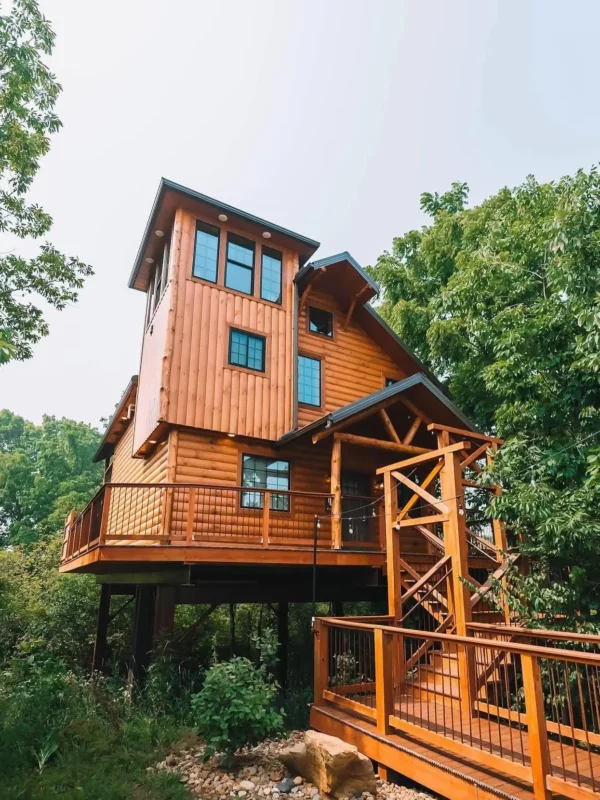
Craving a Multi-Sensory Experience? Step Up Your Five Senses with Landscape Design
1. Vision: Marrying Nature’s Beauty with Artistic Flair
Combine the raw majesty of tall trees, rolling hills, or tranquil waters with strategic design touches—sculptures, mosaic pathways, or softly flickering lanterns. Your guests should feast on a vibrant display of textures and colors everywhere they look.
2. Sound: Embrace Both Nature’s Symphony and Serene Quiet
- Nature’s Melody: Rustling leaves, distant birdsong, maybe a gentle brook. These soothing sounds lower stress and create mental clarity.
- Artful Contrasts: Subtle water features or a softly piped music system can coexist with organic forest noises, adding depth without drowning out the real star of the show: nature itself.
3. Scent: Let the Forest’s Fragrance Welcome Guests
Mint, lavender, pine needles, fresh rain-soaked ground—aromas that appeal most to our most basic senses. Including fragrant plants next to lounges or walks will quickly foster curiosity and relaxation.
4. Taste: Farm-to-Forest Dining
Whether it’s a small open-air café perched among the branches or just a picnic table near a wild berry patch, serving locally sourced foods or letting guests pick their own produce can be a sublime treat. Seasonal, fresh ingredients tie the flavors of the region to the landscape itself.
5. Touch: Use Hands and Feet to Engage with Nature
Let visitors run their hands over tree bark, stone steps, or plush moss. Encourage them to walk barefoot on safe, grassy patches or to lounge in hammocks strewn between sturdy trunks. That tactile connection has a way of grounding people and making them feel intimately connected to the environment.
Ready to Boost Your Brand? Tree House + Landscape = The Perfect “Viral” Formula
1. Branding with Style: Slip Your Logo into the Forest?
Easily integrate the look of your company by selecting color schemes, signage, or even stylized sculptures that speak to your own personality. It’s not like a clear neon sign; nuance is everything. A little insignia carved into a mosaic trail marker or wooden seat will be remembered.
2. Social-Media Magnet Zones: How to Go “Insta-Famous”
- Must-See Photo Spots: Stunning vantage points and Instagram-worthy backdrops are your golden ticket to viral buzz. People crave unique settings where they can snap that perfect shot.
- Events and Seasonal Happenings: Use the limited-time attractions—like a spring flower festival or a shimmering light show in winter—to keep your audience interested and your material fresh.
3. Word-of-Mouth: Turn Visitors into Ambassadors
Plan immersive events with guided tours where attendees discover local fauna, scavenger hunts, or nature searches. Travelers that feel involved are more inclined to publish, evaluate, and suggest, thereby naturally strengthening your brand.
TreeLofts to the Rescue: How the Right Team Makes Your Tree House Truly “Unforgettable”
By now, you might be thinking, “Okay, I need the perfect combination of architectural finesse and next-level landscape design—but where do I find that unicorn team?” Enter TreeLofts.
1. Why Choose TreeLofts?
- Years of Hands-On Experience: TreeLofts is no newbie to the realm of elevated living spaces. From site selection to the decor, they’ve mastered every detail.
- Innovation Meets Sustainability: TreeLofts embraces eco-friendly materials, minimal-impact construction methods, and creative solutions to tricky landscape challenges. They’re not just building a structure; they’re nurturing a living, breathing ecosystem.
2. Collaborating with Landscape Architects & Ecologists
It’s not enough to have a blueprint and a hammer. TreeLofts brings in environmental scientists, biologists, and horticultural experts to ensure your new tree house doesn’t just look pretty but also fosters biodiversity and respects local regulations.
3. Dream Big—Then Make It Happen
Maybe you envision a rope bridge connecting multiple elevated pods. Or perhaps you dream of a floating deck that doubles as a stargazing platform. TreeLofts’ creative mix with pragmatism will help your ambition blossom without sacrificing sustainability or safety.
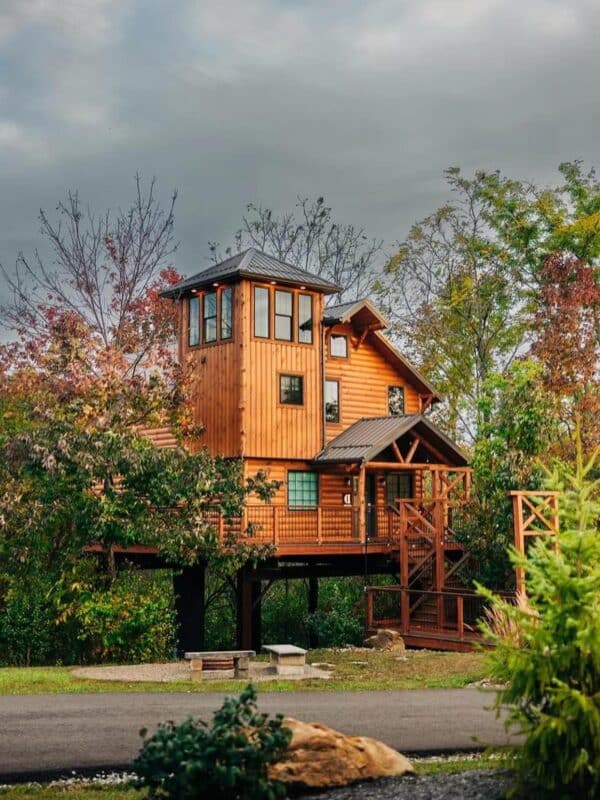
Conclusion: So, What Surprises Can Landscape Design Really Bring to Your Tree House?
Now let us picture the moment. You have just strolled down a dimly lighted path among tall trees murmuring in the evening. A light breeze smells lavender and earthy dampness. Turning a bend, you find your tree house above, lit like a shining example of creativity and warmth. Your heart races a little; this is an escape, an adventure, a narrative to share, not only a place to sleep.
When architecture and landscape interlock effortlessly to create a world where nature rules but people live respectfully and artistically, that electric sensation results. Every nook reveals something; every stride invites wonder. You are experiencing a tree house with every sense—sight, sound, scent, taste, and touch—not only visiting one.
Ultimately, your tree home serves more than just a distinctive construction. It speaks about your brand, your ideals, and your readiness to challenge limits. Excellent landscape design forms first impressions, creates emotional connections, and accentuates the magic drawing people from all around. Equipped with these ideas—and maybe with the assistance of knowledgeable partners like TreeLofts—you are now ready to design a natural immersion experience people will remember, discuss, and return to years to come.
When you can design a hypnotic retreat up amid the branches, why settle for “just another cabin”? Go ahead, let your imagination run wild, and let your tree house ideas fly—the world awaits your next great migration! Ready to take the next step? Hop over to Treelofts.com right now and schedule a consultation. From conceptual planning to final construction, TreeLofts will guide you toward an elevated paradise guests can’t help but rave about.
FAQ
Can I include expert landscape design into a current tree house?
Undoubtedly. Even if your tree home is already built, improving the surroundings will greatly increase its appeal. Start with a comprehensive site survey and then incorporate improvements gradually—new paths, native plants, and seating areas can enhance the setting without extensive construction.
How can I add seating or paths while safeguarding the base of large trees?
Protecting the root system is crucial. Choose permeable surfaces or raised boardwalks that allow air and water to reach the roots. Consult an arborist to identify critical root zones and avoid heavy footings or significant excavation.
Which kinds of plants are best suited for a tree house environment?
Native species are typically the best choice, as they are adapted to local soil and climate conditions. A mix of evergreens and deciduous trees can provide year-round greenery and seasonal variation. Consider incorporating pollinator-friendly plants and edible landscaping for added value.
Can I integrate contemporary design features around a rustic tree house?
Definitely. A skilled landscape designer can blend rustic charm with modern elements, such as geometric seating, sleek planters, or minimalist water features. The key is maintaining a consistent color palette and material selection for a harmonious look.
