


Though building a tree home seems like a basic, enjoyable activity, there is much more involved than just choosing the ideal tree and gathering materials. Building a safe and legal tree home mostly depends on knowing the permissions and laws controlling such kinds of building. Navigating these requirements is not only about making sure a structure is legally compliant—it’s about building a safe, useful, and long-lasting outdoor addition for end consumers and tree house sellers.
Structures like tree homes may need permits to make sure they satisfy local safety criteria and environmental laws. Tree houses may call for several permissions covering everything from zoning to environmental issues depending on the site. Knowing the kinds of licenses needed and the function of local building codes will help either a tree house dealer or an end consumer avoid legal problems, delays, and safety hazards.
We will walk you through all you need to know about permits, rules, and building codes for tree homes in this thorough guide. We will go over the overall procedure, the several licenses needed, and the actions you may take to guarantee seamless building of your tree house. This guide will enable you to properly negotiate the legal terrain whether your tree home is being built in your own backyard or you are offering clients tree house solutions.

Under What Permits Would One Be Building a Tree House?
Understanding the local authorities’ required permits comes first in any tree home project. The scale and location of the tree house will determine if many permits are required to get. Understanding these permissions and how they relate to your project can help you to prevent any structural or legal problems down the road.
1. Ensuring Structural Integrity through Building Permits
Usually, tree houses regarded as permanent constructions demand building permits. A building permit serves mostly to guarantee that the tree house is sturdy, safe, and able to resist environmental factors such as strong winds or storms. The permit process will probably call for you to submit ideas for the construction techniques, materials, and design of the tree home.
Often times, proving that the tree house follows municipal building codes—which cover issues including structural integrity, safety measures (such as guardrails and steps), and the suitable building materials—will help you to get a building permit. A structural engineer may be necessary for tree houses, especially large or complicated ones, to give documentation proving the design is safe and satisfies legal requirements.
2. Following Local Zoning Laws: Zoning Permits
Another crucial consideration in creating a tree house is zoning permission. Often focused on the size, location, and intended use of buildings, zoning regulations control how land in particular locations might be used. To make sure the tree house complies with any local rules on land use, building height, or property lines, a zoning permit is needed.
For tree houses situated in residential areas, where building height restrictions or set-back criteria may apply, zoning permits can especially be important. Zoning guarantees that the construction does not impede public areas, roads, or adjacent homes. Researching these limitations and obtaining the required permits is crucial if you intend to build a tree home close to property boundaries or in places with tight zoning rules.
3. Environmental Permits: Ecological Protection
Should your tree home be constructed close to protected forests, water sources, or delicate ecosystems, environmental licenses could be required to guarantee that the project does not adversely affect the surroundings. Although the location will affect the environmental rules, they usually center on safeguarding natural resources, water quality, and habitat for wildlife.
Environmental licenses could, for instance, mandate you to take extra care to reduce the impact of your project if your tree house is situated in a flood zone or close to protected wildlife areas. These licenses could also be required should you want to change the ground in any meaningful manner or employ ecologically detrimental building materials.
4. Special Permits: Should Additional Approval Requests Arise
Sometimes you could need more permits, particularly if you are building in an area with more limitations. If your tree house is especially big, if it will be rented or sold, or if you are building in a historical or protected area, special licenses could be needed.
To be sure you are aware of any unique needs particular to the site of your project, always ask your local authorities.
Navigating Local Building Codes for Tree Houses
Every locality has their own set of building rules and guidelines. These codes are meant to guarantee that buildings are compliant with local laws, safe, and useful. Successful completion of a tree home project depends on knowing local building codes.
1. Structural Integrity: Safety First
Building rules are meant to guarantee that constructions like tree houses can resist several pressures, including wind, rain, and heavy snow. The structural integrity of the tree itself is equally crucial in designing a tree house as the building components. Local building rules can give guidelines for how a tree home should be secured to the tree, therefore guaranteeing its safety during really severe weather.
Building codes also contain guidelines for the kinds of materials that might be utilized in building. For instance, materials used in tree house building could have to satisfy fire safety regulations and be robust enough to resist the elements.
2. Height and Size Guidelines: Honoring Local Zoning Laws
Local building laws could impose height restrictions on constructions like tree houses, especially in suburban or residential areas. Usually meant to avoid interfering with views or privacy concerns between neighbors, these height restrictions mean that tree houses above a specified height could be subject to extra rules or call for a specific permission.
Usually, size restrictions for tree houses are connected to the space the construction consumes. Many towns set limits on the overall square footage of a tree home in order to avoid imposing too large constructions that would overpower the surrounding scene. Before beginning building, one must confirm the municipal codes on height and dimensions.
3. Accessibility: Guaranteeing Secure Access
Building regulations could also outline how individuals enter the tree house. Local codes could mandate, for example, the installation of ladders or stairs to ensure safe access if the tree house is above a particular height. These access points’ design has to follow particular safety guidelines like width, weight-bearing capacity, and handrail height.
Accessibility rules for bigger tree houses could call for a ramp or platform to provide simpler access, particularly if the construction is meant for usage by those with mobility issues.
4. Safety Measures: Barriers and Guardrails
Many municipal building rules will also call for safety elements meant to guard against falls. This sometimes includes building fences or guardrails around the platform of the tree home. Guardrails have to satisfy particular height and design specifications to stop inadvertent falls.
Apart from guardrails, various building regulations could demand the usage of non-slip surfaces on platforms, ladders, and staircases. These rules guarantee the tree house’s safety for people of many different ages.
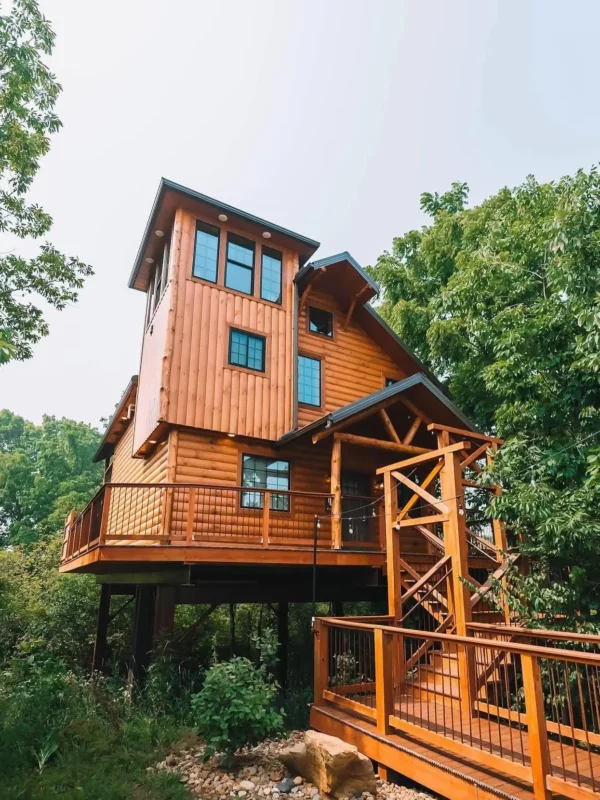
Applying for Tree House Permits: A Comprehensive Guide
An important phase of building is obtaining licenses for your tree house. The detailed instructions below walk through applying for the required permits:
1. Research Local Zoning Laws and Building Codes
Researching your local construction standards and zoning laws is absolutely vital before you seek any licenses. To know the particular rules for tree house building in your area, visit the website of your local building department or get in touch with them personally. This will help you to clearly know the required permits and the actions to be taken.
2. Employ a Professional Should Necessity Demand It
The degree of complexity of your tree house design will determine if you need to engage a licensed architect or contractor conversant with regional building codes. They can help to guarantee that your tree home complies with all safety and zoning rules. A professional can also assist with the required designs and documentation preparation for your permit application.
3. Apply for Your Permission
Send your permit application to the local building department once you have all the required information. Your application should provide comprehensive ideas for the tree home together with design, materials, and building techniques. If necessary, be careful to include any supporting paperwork, such as evidence of environmental concerns or tree condition.
4. Get Ready for Approval
Local government will assess your permit application after it is turned in. The complexity of the project will determine whether this process takes a few weeks to many months. You might be asked to offer further details or change the design to fit local codes during this period.
5. Start Construction Once Permits Have Been Approved
You can start building your tree house once clearance has been approved. Recall that local rules call for you to show the permission on-site. Should inspections be needed either during or following construction, make sure to arrange them following local government recommendations.
In Summary: Why Do Permits and Codes Matter for Tree Houses?
Although building a tree home is an interesting and fulfilling endeavor, navigating the permits and rules required guarantees safety, legality, and use. Knowing the required licenses and local construction codes is essential whether your business is a tree house dealer assisting clients in creating their ideal outdoor environments or an end customer intending to build a tree house for personal use.
Ensuring compliance with environmental and zoning laws, following building rules, and acquiring the correct licenses will help you to build a legally sound, safe, and durable tree house. This guarantees not only a flawless building but also shields you from possible legal or safety concerns down the road.
Investing time to grasp and abide by the required rules will finally result in the construction of a tree house improving your outdoor area and offering years of continuous delight.
Frequently Asked Questions Regarding Permits and Regulations for Tree Houses
1. Does building a tree home call for a permit?
Indeed, most towns need licenses for tree houses, particularly if they are permanent constructions or larger than specified limits.
2. A zoning permit and a building permit differ in what ways?
A zoning permit guarantees that your tree house follows local zoning rules like set-back regulations and height restrictions. A building permit guarantees the facility satisfies local building codes and is safe.
3. How long does it take to get a permit for a tree house?
Depending on the site and degree of the project, the permit process could last several weeks to many months.
4. Can I create a tree home without a professional builder?
Although a tree house can be built without a professional, it is highly advised to check with an architect or contractor to guarantee compliance with local construction regulations.
5. What happens if I construct a tree home without a permit?
Building a tree house without the required permits could cause fines, the necessity to destroy the construction, or other legal problems.
