


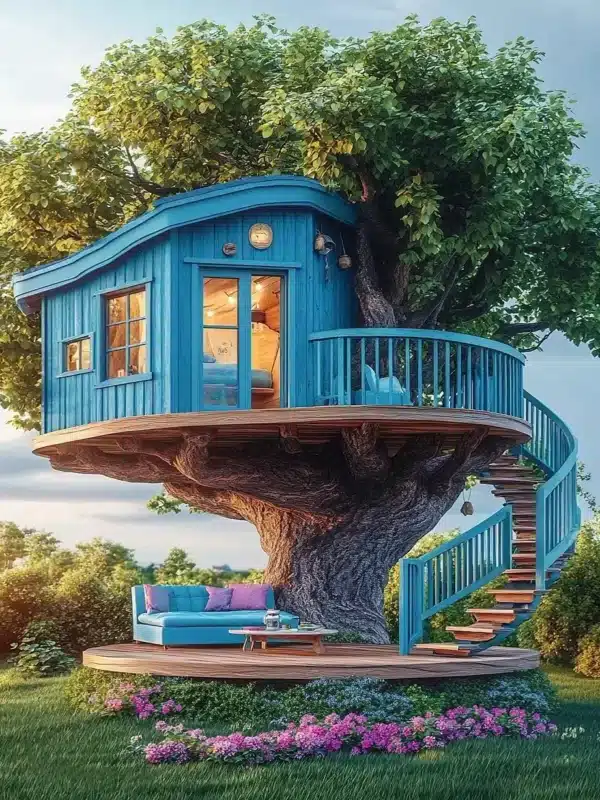
Imagine a romantic tree home tucked high in the branches and you could see shimmering string lights, expansive views of a verdant backyard, and the soft sway of leaves about you. From a whimsical notion to a secure, strong, and pleasant treetop escape, though, how do you get? The answer lies in choosing the right tree house supplies. From essential building materials to creative finishing touches, each decision impacts safety, durability, and the overall magic of your elevated abode.
In this blog, we’ll spotlight the key supplies needed to make your tree house shine—while keeping your tree healthy and your weekends stress-free. If you’re ready to gather everything from top-notch lumber to the perfect railings and add-ons, buckle up! We’re about to elevate your perspective, literally. And remember: Treelofts is here to help you plan your dream tree house.
So, how do we select everything from wood boards to specialized bolts and ensure they seamlessly blend into a breathtaking canopy retreat? Let’s climb up and explore.
Why Picking the Right “Tree House Supplies” Changes Everything
From Simple Wooden Boards to Pro-Level Engineering
It’s easy to imagine a tree house as a handful of planks nailed to some branches—something from a childhood cartoon. But modern tree houses are so much more. They can be multi-level decks, cozy reading nooks, or even small offices perched aloft. The difference between a rickety “kid’s fort” and a true architectural wonder often boils down to your supply choices—like advanced fasteners, specialized wood treatments, and creative finishing touches.
When Supplies Go Wrong
Using subpar materials or skipping vital elements can lead to warped floors, wobbly platforms, or, worst of all, damage to your beloved tree. You don’t want that “bird’s eye view” turning into a precarious fiasco. And with so many products on the market, it’s easy to feel swamped—should you choose cedar or composite decking? Are standard bolts enough? Before you know it, you’re swimming in hardware catalogs and feeling overwhelmed.
Treelofts: Your Design Ally
At Treelofts, we DO craft comprehensive design plans to ease your confusion. We’ll outline exactly which supplies suit your climate, aesthetic goals, and tree’s health. Our job is to supply the blueprint; your job is to gather the materials from trusted vendors and either handle the build yourself or hire a construction team. It’s the perfect setup to ensure every board, bracket, and bolt is used correctly and with purpose.
Core Wood Materials: Which Lumber Gives Your Tree House a Longer Life?
Exploring Natural vs. Composite Options
Though it seems like a minor issue, selecting the correct wood will define the appearance, feel, and lifetime of your treetop hideout. Traditional picks noted for natural resistance to decay and insects include cedar, redwood, and cypress. Pine is more affordable meantime, but usually requires pressure treatment or sealing to resist weather. Conversely, composite boards—made from recycled plastics and wood fibers—offer modern durability with no maintenance—though their appearance may vary from the rustic warmth of real wood.
Balancing Durability and Aesthetics
Sure, that reclaimed barn wood might have an awesome distressed look, but is it robust enough for high-traffic use in a tree house? Conversely, a no-fuss composite might be easy to maintain but lacks the unique grain patterns that make real lumber so charming. Don’t forget the “green factor” either—opting for FSC-certified boards can show love for your tree’s ecosystem, ensuring you’re not contributing to unsustainable logging practices.
Weather, Bugs, and Maintenance
Mother Nature can be tough on elevated structures—think constant sun exposure, heavy rains, or termite threats. You can fight back with sealants, stains, and well-chosen wood species. With the right combination, your platform can withstand a wide range of climates, from humid summers to snowy winters, without warping or splitting. Good supplies go a long way here: sometimes a minor upgrade in wood quality saves you years of headache and repairs.
Treelofts’ Wood Recommendations
We’ll detail in our design plans which species or material type works best given your environmental conditions and usage patterns. We’ll also advise on thickness, finish, and any protective measures you should take. Once the design is finalized, you can snag those materials from a local supplier, fully confident you’re making a solid choice that pairs well with your tree’s personality.

Bolts & Metal Fittings: The “Metal Guardians” That Keep Your Tree House Standing Tall
Why Generic Screws Might Be a Recipe for Disaster
Imagine hammering a handful of cheap bolts into a living tree trunk—yikes! A standard bolt or nail might pinch the bark and compromise sap flow, leading to trunk decay or structural weakness down the line. That’s where specialized tree house fasteners come into play. High-grade bolts, washers, and anchors are engineered to distribute weight evenly and allow the trunk to keep growing.
TAB Bolts (Treehouse Attachment Bolts)
Among the MVPs of treehouse hardware are Treehouse Attachment Bolts (TABs). Built thicker and designed to merge with the tree’s growth patterns, they reduce bark damage and handle significant loads. Think of them as robust “bridge connectors” that anchor your platform to the trunk without strangling it.
Stability Beyond the Screw
Aside from bolts, you’ll likely need metal brackets, angle irons, or steel hangers that hold beams and joists together. Opt for materials with rust-resistant coatings (like galvanized or stainless steel) to withstand humidity and temperature swings. Combine that with specialized washers or locknuts that keep each beam from loosening over time, even as the tree sways.
Treelofts’ Metal Must-Haves
In your Treelofts design blueprint, we’ll specify the exact types and sizes of brackets or bolts recommended for your platform’s load and design. You might see references like “(4) ⅝-inch galvanized carriage bolts” or “(2) heavy-duty angle brackets at 16°,” ensuring local contractors or a skilled DIYer can piece everything together. We even detail spacing and torque suggestions so your finished structure holds strong for years.
Support Structure: Columns, Suspension, or “Floating” Magic?
Are Ground Posts Too Old-Fashioned?
Using ground posts or pillars remains a common method to offload weight from the trunk. This approach stabilizes the platform, especially if your yard has a flat area for footings. However, some folks dislike the “traditional” appearance of big posts. They also may want that open, airy look of a fully suspended deck with minimal visible columns.
Hanging It All in Mid-Air
Meanwhile, suspension-based tree houses rely on cables, ropes, or specialized hardware anchored higher on the trunk or adjacent trees. This yields a playful “floating” vibe but demands top-quality cables and brackets that can handle vertical and lateral forces. If done right, the effect is mesmerizing—like your deck truly hovers among the leaves.
The Floaty Option
Another structure you might see in advanced designs involves partial support with “floating brackets” that let the trunk move. This system reduces trunk stress and preserves a magical sense of hovering in the canopy. It can also accommodate trunk growth without the need for frequent bolt adjustments.
Treelofts’ Structural Vision
We’ll present design variations: ground posts, partial suspension, or floating configurations. Our role is purely conceptual—we do the math, supply the blueprint, and you or your contractor make it happen. By comparing each structural approach’s pros and cons, you can select the look and function that speaks to your aesthetic and yard’s natural features.
Floor & Waterproofing: Don’t Let Rain Spoil Your Treetop Getaway
A Floor That Can Handle Weather and Foot Traffic
You’re building in the outdoors, so your floor must stand up to rain, heat, humidity, or even snow. That’s why many tree house fans choose water-resistant boards, anti-slip coatings, or specialized composite decking. Slip on a wet board in a high-up deck? No thanks!
Sealing and Staining
Whether you go with cedar or oak, a protective stain or sealant is like a shield against moisture, UV rays, and pests. Reapply periodically to prevent rot and preserve your deck’s sheen. Lightly sanding the surface can also remove the inevitable scuffs from foot traffic and keep everything looking fresh.
The Art of Drainage
Yes, you might be creating a platform in the sky, but you don’t want pooling water. Incorporate drainage grooves or small channels along the edges. If your design calls for a partial roof, direct water away using gutters or simple drip edges. Proper drainage is the difference between a safe, dry deck and a damp, slippery surface that fosters mold.
Treelofts’ Floor & Water Plan
We’ll indicate in the blueprints exactly where drainage lines or gutter points should lie, along with recommended floor board spacing for quick water runoff. Once the design is locked in, you can purchase the right gutter sections, sealants, and deck boards. Partner up with a local crew or go full DIY—the choice is yours. We just ensure you have the blueprint that keeps your treetop deck from turning into an unintentional kiddie pool.
Learn More: https://treelofts.com/the-oak-hollow-sanctuary-ocala-florida/
Railing & Guardrails: Balancing Safety with a Killer View
Are Railings Really That Important?
Short answer: Absolutely. Whether you’re sipping coffee at sunrise or your kids are bounding around your platform, you need a barrier to prevent unfortunate tumbles. But that doesn’t mean the railings must be bland or block your view of the surrounding canopy. In fact, with the right designs, a guardrail can be an architectural statement.
Material Galore: Wood, Metal, Glass, or Hybrid?
Some prefer the warmth of wooden posts and spindles, matching the tree house’s overall rustic feel. Others opt for sleek metal or even tempered glass, which grants uninterrupted sightlines of the forest below. The key is to ensure durability—particularly if you live in a climate that sees heavy snow or strong gusts. A wobbly rail is not an option when you’re perched 15 feet up.
Code Regulations and Kid Safety
Depending on local codes, you might need guardrails of a certain height—often around 36 to 42 inches. If toddlers or pets are in the mix, you’ll want narrower spacing between posts or balusters to prevent them from slipping through. The best approach is safety first, especially in a high-up environment.
Treelofts in the Mix
In your Treelofts design, we’ll provide recommended rail heights and spacing that align with typical building codes, plus any considerations for children or pets. We might also propose stylistic touches—like angled crossbeams or a tension-wire system for minimal visual interruption. You can then source the materials from local suppliers, confident the final structure stays safe and looks amazing.
Interiors & Indoor Supplies: Make “Small But Mighty” Feel Like Home
Light-Weight Furniture for Airborne Comfort
Heavy couches, massive dining tables, and bulky armoires? Not so tree-friendly. If your platform is designed for moderate load, you’ll want furniture that’s both functional and light. Foldable chairs, compact tables, and built-in benches are lifesavers for maximizing space. Also, keep an eye on moisture—if your tree house is partially exposed, choose weatherproof fabrics or easy-dry cushions.
Electricity, Lighting & Gadgets
Some folks prefer an off-grid vibe, relying on battery-powered lanterns or solar panels for an eco-friendly glow. Others run a discreet power line for small appliances, laptops, or even a mini fridge. If you’re hooking up electricity, ensure cables are arranged so they don’t hamper tree growth—like flexible conduits that can move as the trunk expands.
Storage & Decor
Tiny chests, wall hooks, or overhead netting can keep your limited square footage clutter-free. As for decor, let your imagination run wild—macramé planters, string lights, or a whimsical mural that underscores that “secret escape” vibe. The only real limit is your load capacity.
Treelofts’ Inside Advice
We can incorporate recommended interior layouts into the blueprint—like where you could place built-in benches, shelves, or small porthole windows. That ensures your final space doesn’t feel cramped or haphazard. But as always, once the design’s done, it’s up to you or a hired team to bring that vision to life in the canopy.
Custom Add-Ons: Slides, Swings, and Other Up-in-the-Air Thrills
Is a Single Platform Boring You Already?
No one said your tree house dream must end at four walls and a deck. Adding creative elements not only sets your project apart but also amplifies the joy factor. Think rope swings dangling from sturdy branches or a mini slide that zips you back to ground level. These whimsical twists can transform a static platform into an adventure zone.
Rope Swing, Anyone?
Great for kids—and kids-at-heart—a rope swing harnesses the tree’s natural movement. Safety note: Ensure the anchor point can handle dynamic load. Don’t want your swing pulling the platform out of alignment. With the right bracket design, you can keep the swing independent from the main deck’s stress points.
Slides, Nets, and Ladders
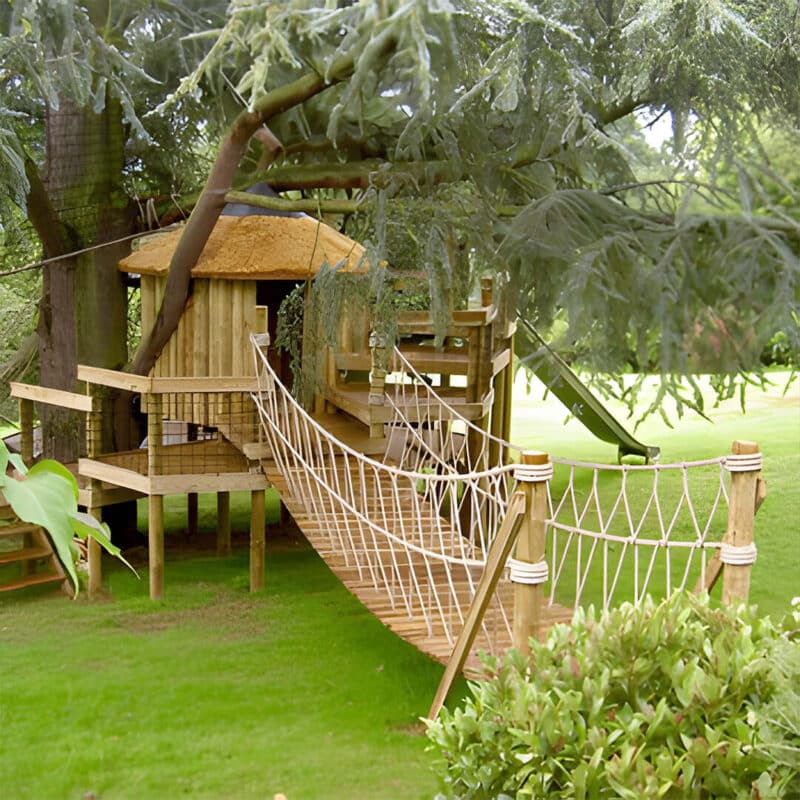
Imagine skipping the usual steps for a swirling slide that deposits you gently onto the lawn. Or how about a hammock net suspended between two branches for midday naps? Ladder or rope bridge connections can also tie multiple platforms together, leading to a labyrinth of fun in the canopy.
Treelofts’ Creative Boost
If you want to incorporate a spiral slide or a mini crow’s nest above the main deck, we’ll figure out the load angles and recommended anchor points. Once you have the plan, you can gather those materials from specialized suppliers—and either build it yourself or call in the pros.
Business Potential: Precise Supplies Mean Bigger Profits and Fewer Headaches
Building for Fun or Looking to Monetize?
A well-designed, striking tree house can be more than just your own refuge; it can be a lovely place for a short-term rental, an outdoor venue for a small wedding, or a picturesque stage for workshop sessions. In each scenario, high-quality supplies protect your investment and keep visitors safe and impressed.
Why Quality Materials Directly Affect ROI
Assume for the moment that you are providing a canopy suite via a home-sharing arrangement. One rusty handrail or noisy floorboard can destroy a guest’s experience, result in bad reviews, and discourage return business. By prioritizing top-notch wood, secure bolts, and durable furnishings, you can command premium nightly rates and build a positive reputation.
Conclusion: Grab Your “Tree House Supplies” Checklist and Soar!
Are You Done Dreaming, or Ready to Start Shopping?
Life on the ground can be so predictable. Elevate your perspective—quite literally—by pulling together the right tree house supplies that anchor your sky-high adventure. From the perfect lumber to specialized fasteners, each item is a building block in the story you’ll tell for years to come.
Why Treelofts Is Your Best Ally in Design
We’re the brain behind your vision, crafting comprehensive layout plans to ensure every beam, bolt, and guardrail merges into a coherent, aesthetic masterpiece. But remember: We hand you the blueprint so you can handle the purchasing, assembly, and final flourish. This arrangement lets you or your hired crew follow our guidelines to the letter—leading to a safe, stunning tree house that respects the environment and captivates every visitor.
Act Now, Embrace the Treetops
Ready to transform your yard or forest patch into a breezy, imaginative retreat? Reach out to Treelofts.com for a consultation. We’ll show you how each piece of the supply puzzle—wood, bolts, support structures, finishing touches—fits into a bigger picture of style, functionality, and fun. Because, at the end of the day, your tree house is more than a platform in the sky; it’s a living extension of your zest for life, perched where dreams and leaves collide.
FAQ
FAQ 1: What’s the most important factor when choosing lumber for my tree house platform?
Durability and weather resistance top the list. Choose naturally resistant to rot and insects timbers such as pressure-treated pine, cedar, redwood. If you want little upkeep, think about composite boards. Just be sure to match your climate conditions and design load. A design plan from Treelofts can help pinpoint the best lumber type and thickness for your specific location.
FAQ 2: Are standard bolts and screws enough for securing my tree house?
Not always. Standard hardware isn’t designed to handle the dynamic loads and tree movement you’ll encounter. Specialized options like Treehouse Attachment Bolts (TABs) or galvanized steel brackets are stronger, safer, and more tree-friendly. If you’re unsure which hardware to buy, Treelofts can detail the necessary fasteners in your custom design blueprint.
FAQ 3: How can I prevent moisture damage on my tree house platform?
Proper sealing, staining, or painting of wood surfaces is crucial, alongside creating good drainage. Small gaps between decking boards or channels along the deck’s edge help funnel water away. If your design includes partial roofing or gutters, make sure they’re sized and placed to handle local weather patterns. Treelofts’ plans often specify slope angles and drainage routes so you can source the right water-control supplies.
FAQ 4: Do I need special equipment to build a multi-level or suspended tree house?
Yes. Complex builds typically call for robust anchors, cable systems, or floating brackets – plus the right tools for safe, precise installation. Ensure your supplies include heavy-duty cables, stable connection hardware, and possibly scaffolding or harnesses for working at height. Treelofts designs can highlight these details in your plans, guiding you on exactly what to purchase for each level or suspension point.
FAQ 5: How do I balance eco-friendliness with durability in my tree house materials?
Look for wood certified by the Forest Stewardship Council (FSC) or consider recycled composites that reduce waste. For metal parts, choose rust-resistant, long-lasting hardware to minimize replacements. Each eco-friendly decision—like low-VOC stains or responsibly harvested lumber—helps preserve the forest environment. Treelofts provides recommendations on sustainable material choices within your design, so you can prioritize nature alongside functionality.
