


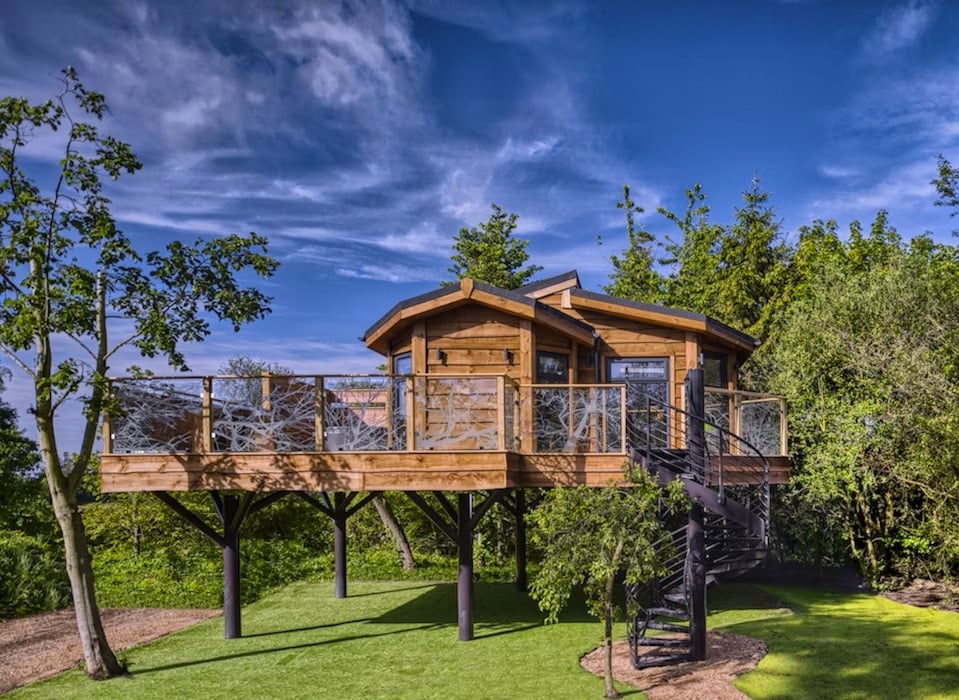
Tree houses have developed much beyond the naive constructions of our memory. Originally designed for adventurous children, these unusual buildings are now extensively included into contemporary landscape design. Tree houses offer a higher viewpoint that changes an outdoor space into a personal haven whether they are tucked amid branches or high in the canopy.
In landscape architecture, the objective is to develop outdoor areas that harmonize the constructed environment with the natural surroundings. Thoughtfully constructed tree houses can blur the boundaries between architecture and nature, producing aesthetically arresting yet functionally useful buildings that inspire interaction with the natural world.
Focusing on their aesthetic appeal, practical advantages, and major contributions to building sustainable outdoor environments, we investigate in this blog the function tree houses play in current landscape architecture. This article will help you to appreciate the value these buildings provide to outdoor spaces whether your landscape design calls for a tree house or you want to increase your offers as a distributor of these constructions.

Tree House Aesthetic Value in Landscape Design
Tree houses’ capacity to subtly fit the surroundings and provide a striking contrast to the surrounding natural elements makes them among the most intriguing features. A tree house’s raised height lets one have almost mystical views of the surroundings. Tree houses provide an unmatched chance to improve the visual appeal of outdoor environments whether they are positioned high in a tree canopy or mixed into the forest floor.
Tree houses are the ideal answer since landscape designers want their creations to enhance the natural surroundings. They provide a space that seems both immersive and in sync with its surroundings and enable a special combination of architecture with the natural surroundings. Tree houses accentuate the natural beauty of the surroundings without taking front stage whether they are surrounded by verdant gardens or in wooded areas.
Material Selection and Design Flexibility
The degree to which the tree house fits the surroundings depends much on the materials chosen for building it. Many tree houses are built from natural materials that fit quite well with the surrounding vegetation, including stone, wood, and even bamboo. The design might be simple, rustic, or even sophisticated, so enabling a range of looks that complement the landscape’s style.
Establishing Landscape Architectural Focal Points
In landscape design, a well-placed tree house can act as a focal point that accentuates surprise aspect and draws the eye. Its elevated position generates an interesting visual dynamic whether the tree house is utilized for leisure, entertainment, or just decoration. Apart from adding verticality, which contrasts with the horizontal planes of the ground, the tree home not only shapes the scene.
Improving Outdoor Exchanges
Tree homes encourage individuals to interact in novel and fascinating ways with the surroundings. These lofty buildings give a unique perspective that can turn an ordinary landscape into an immersive experience by helping one to feel closer to the heavens and the natural world. This additional viewpoint alters people’s interaction with their outdoor settings and motivates them to investigate their surroundings more thoroughly.
Tree House Functionality and Versatility
Although their visual appeal is often valued, tree homes also provide a variety of useful features and can be used for several purposes in landscape architecture. Their adaptability appeals to homeowners and companies trying to design vibrant outdoor areas.
Children’s Playing Areas
Tree houses can be a great addition to the scene for families with children since they offer a fun and safe space where they may explore and play. Tree houses inspire kids to interact with the outdoors while fostering creativity, social skills, and physical strength—qualities unlike those of conventional playgrounds. Slides, rope ladders, and swings can all be included into tree houses to create an adventure-filled play area for years of enjoyment by the kids.
Retreats & Relaxation Areas Outside
Tree homes can be quiet havens for adults as well as for youngsters. A well-designed tree house can provide a calm setting for meditation, reading, or coffee drinking while still viewing a breathtaking scenery. Incorporating gentle lighting, cozy seating, and natural materials helps a tree home to be a haven for introspection and relaxation. Its high elevation offers privacy, which makes it the ideal respite from the daily grind.
Social Places and Entertainment Venues
Bigger tree homes might be planned to be locations for outdoor activities, parties, or social events. Tree homes are perfect for getting together of family and friends since they can fit dining rooms, outdoor kitchens, and seating configurations with appropriate space. Tree homes’ unusual and whimsical character gives any event something fresh and unforgettable for attendees.
Offices and Studios
Tree homes are being used as outdoor offices or creative studios more and more as remote work grows common. For anyone trying to focus on their work or tasks, the peaceful, natural surroundings of a tree home offer a free zone from distractions. The calm environment and higher vantage position can boost inspiration and output, therefore providing a stimulating and distinctive workplace.
Eco-friendly Traits and Sustainable Living
Tree houses are not an exception in the modern world when sustainability is the first priority in landscape architecture. Many contemporary tree houses are constructed using environmentally friendly insulation, bamboo, and repurposed wood among other sustainable components. Tree homes can also have a variety of green elements including composting toilets, rainwater collecting systems, and solar panels. Apart from lessening the environmental effect of the tree home, these environmentally friendly designs encourage sustainable living in outdoor areas.
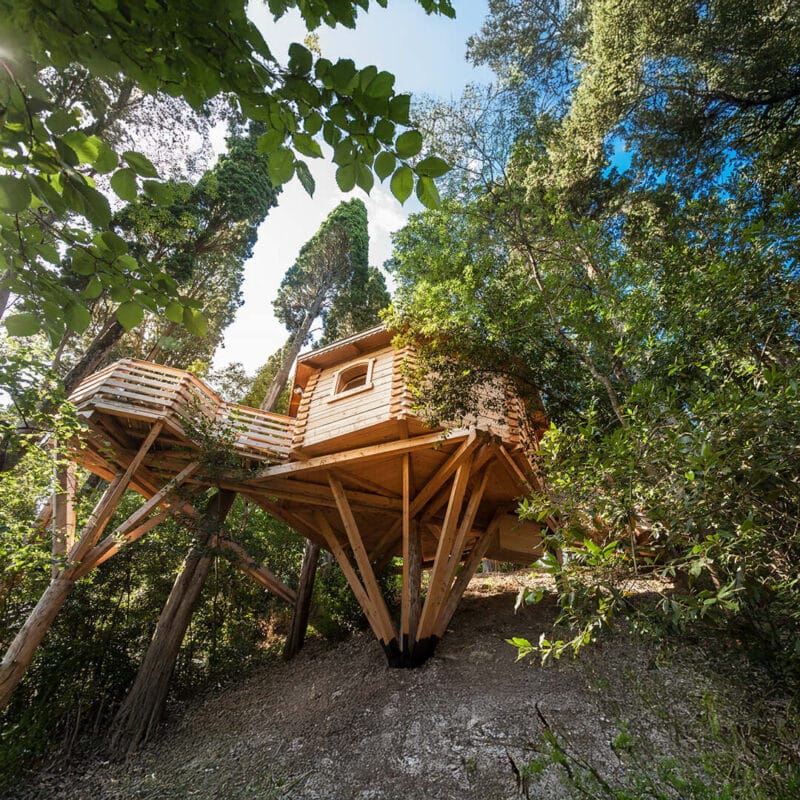
Tree Houses and Their Support of Ecological Landscape Design
Modern landscape design depends much on sustainability, hence tree homes provide a variety of advantages in line with these ideas. Tree houses are a great option for environmentally responsible landscape design because of its low environmental impact, use of renewable resources, and fit into their surroundings.
Minimal Ground Disturbance
Tree houses have one of their main benefits in that they cause little disturbance of the ground under them. Tree houses can be constructed without upsetting the earth unlike conventional buildings, which sometimes call for significant excavation and site alteration. Tree houses are therefore a perfect solution for maintaining the local natural environment while yet providing useful, raised living quarters.
Making Use of Sustainable Resources
Many tree houses are built from environmentally friendly materials, such as reused timber or wood from approved suppliers. Using local materials guarantees that the tree home fits perfectly with its natural surroundings and helps to lower the carbon footprint of the building operation. Tree houses fit the ideas of sustainable design by using renewable resources and recycling already-existing materials.
Energy Efficiency and Self-sufficiency
Energy efficiency is something modern tree homes are made with in mind. While rainwater collecting devices can be utilized to gather water for daily usage, solar panels can be used to supply electricity. These characteristics let the tree home rely less on outside supplies, therefore encouraging a more sustainable and self-sufficient way of life. Including systems and energy-efficient appliances will help to reduce the environmental impact of the tree house even further.
Maintaining Natural Habitats and Diversity
Thoughtfully built and designed tree houses can live peacefully with the surrounding flora and fauna. Helping to preserve local biodiversity, the trees used as foundations for tree houses sometimes serve as homes for birds, insects, and other animals. Tree houses also frequently make use of already-existing tree canopies, so less extra land has to be cleared for development.
Increasing Environmental Consciousness
Tree houses present a special chance to get back into nature. Spending time in a tree home helps people to remember the need of environmental preservation and sustainability. These buildings inspire a closer relationship to the natural world and respect of the importance and beauty of the surroundings.
Tree House Incorporation Challenges in Landscape Architecture
Although tree houses have many advantages, their design, building, and fit within landscape architecture present difficulties. These difficulties have to be taken into account to guarantee that the tree house improves the whole landscape design and is both safe and useful.
Structural Stability and Safety
The tree house’s structural integrity has to be completely evaluated since its safety is the first concern. A tree house has to be built to resist wind, rain, and snow among other elements. The foundation tree ought to be sturdy enough to handle the weight of the construction and healthy. Making sure the tree home is sturdy and safe calls for professional knowledge.
Tree Stability and Health
Not every tree is fit for construction of a tree home. The tree needs to be mature and healthy, with a sturdy trunk and branches able to sustain the construction. Should the tree be weak or unstable, the tree house could not be secure. The health and lifetime of the tree depend on routine maintenance and tree care.
Regulations and Building Permits
Local construction rules and regulations may apply based on the location and size of the tree home. Building a tree home could call for permits, hence it’s advisable to verify local authorities to make sure the construction follows all pertinent rules. Ignorance of the required permits might lead to fines or structural demolition.
Cost Issues
Building a tree house can be expensive, especially if it is huge, sophisticated, or built from high-end materials. Before starting a tree house project, one should give great thought to the expenses of labor, supplies, and upkeep. Although the initial outlay could be significant, over time a tree home will pay off more than the expenses.
In Essence, Embracing Tree Houses in Contemporary Landscape Architecture
More than just childhood dreams, tree houses are potent instruments in landscape architecture offering environmental, aesthetic, and functional advantages. These unusual buildings produce aesthetically pleasing and environmentally friendly outdoor areas by perfectly balancing design with nature. Tree homes give a higher view that changes outside surroundings and let people interact with nature in fresh and interesting ways.
Including a tree house offers countless possibilities for homeowners and landscape designers trying to design unforgettable outdoor areas. Tree homes can improve the surroundings whether they are utilized as a gathering place, a calm haven, or a lighthearted getaway that raises environmental consciousness.
Knowing the several advantages and drawbacks of a tree house will help you decide whether or not to include one into your landscape design or follow the expanding trend in tree house architecture.
Frequently Asked Questions Regarding Tree Houses in Landscape Architecture
Where should a tree house ideally be located?
A mature, healthy tree offering sufficient support is the perfect site for a tree home. The tree should not block natural trails or vistas; it should be placed in a spot where one can clearly see the surroundings.
A tree house’s construction costs how much?
The size, design, and materials of a tree house will all affect its constructing expenses. While bigger, more complex designs might run into the tens of thousands, simple tree houses can price as little as a few thousand dollars.
Can all kinds of trees be used for tree houses?
Not every tree is fit for tree home building. Ideal are robust, mature trees with strong trunks and limbs. Good possibilities are trees including oak, maple, and pine.
Does building a tree home call for a license?
The site and size of the tree house will determine this. Tree homes in certain places call for building permits, particularly if they are taller than a specified limit or dimension. Before starting any building, always check with local authorities.
How long do tree houses last?
Tree homes can last many years with correct care and maintenance. Longevity of the tree depends on regular evaluation of its health as well as the stability of the construction.
