


Ever get an irresistible spark of delight when the phrase “treehouse” comes up? This is so because treehouses invite to leave the ordinary and re-connect with the beauty of nature, so reflecting the ideal mix of youthful wonder and grown-up leisure. These high sanctuaries call to me hidden forts and secret reading nooks, and they provide a fun feeling of adventure. They bring you back to a simpler time and rekindle that carefree attitude so frequently buried in the daily grind.
But a treehouse isn’t just a nostalgic concept reserved for fairy tales and storybooks. Today’s homeowners and nature enthusiasts alike are realizing it’s possible—and practical—to create functional living or leisure spaces high up among the branches. In fact, some people are going so far as to turn these wooden hideaways into year-round offices, yoga studios, or even romantic getaways.
At Treelofts.com, we’ve made it our mission to help people discover the rich possibilities of life in the treetops. Our passion lies in guiding aspiring tree-dwellers through all the nitty-gritty steps—especially when it comes to the backbone of it all: treehouse supports. In this blog, you’ll learn why sturdy supports are the make-or-break factor in any treehouse project, and how to ensure that your dream platform in the sky remains safe, secure, and downright magical for years to come.
Why a Rock-Solid Treehouse Is All About the Supports
1. The “Floating” Illusion
A well-built treehouse appears almost weightless, as if suspended in midair. While it’s tempting to assume it’s all just a bit of construction magic, the secret actually lies in a carefully engineered support system. Good supports distribute loads evenly across the trunk(s), major limbs, or nearby structures, preventing undue stress on any single point of contact.
2. Setting the Stage for Comfort and Innovation
You might be dreaming of a cozy reading lounge, a mini café, or even a high-up workspace. None of these fantasies can be realized if your platform isn’t anchored properly. Just like you’d never build a two-story house on a shaky foundation, you shouldn’t attempt an elaborate, multi-level treehouse without the confidence that your supports can handle the extra weight and stress.
3. Avoiding Potential Disasters
It’s easy to get starry-eyed picturing charming rope bridges and whimsical slides, but forgetful when it comes to the actual engineering. A poorly secured treehouse can harm the very trees you want to celebrate or, worse still, pose a real safety hazard. Loose fasteners, inadequate bracing, or mismatched hardware can create wobble points and eventually lead to structural failures. Prioritizing robust treehouse supports ensures you—and your tree—stay safe up where the air is fresh and the views are second to none.
Choosing the Right Tree and Environment: Laying the Groundwork for Solid Supports
1. Spotting the Tree Heroes
If you’re planning to build around a single majestic oak, or perhaps distribute weight across multiple tall pines, the first step is evaluating the health of your chosen tree(s). Look for:
- Trunk Diameter: A thicker trunk is typically a stronger trunk.
- Root Stability: Signs of root rot or an exposed root system might mean an unstable base.
- Branch Health: Check for dying limbs, fungus, or insect infestations.
Many areas favor some species, like maple, beech, and oak, for their strong construction and capacity to bear extra weight. See an arborist for an expert perspective; an upfront examination will save a lot of trouble down road.
2. Eyeing the Terrain
Even the mightiest tree can struggle if it grows in unstable or erosive soil. Hillsides, areas prone to flooding, or regions with frequent high winds might require additional engineering measures—like extra stilts or specially designed brackets—to keep your treehouse anchored securely.

The Different Types of “Treehouse Supports”: Finding the Perfect Fit
1. Direct Attachment
In this method, the platform is firmly bolted to the tree trunk or major limbs. Large, specialized bolts are used to ensure minimal damage to the bark and underlying tissues. This type of support is great for healthy, thick-trunked trees but demands precise engineering. If done right, it can yield a nearly seamless look, making the treehouse appear as a natural extension of the trunk itself.
2. Suspension or Cable Support
If you’ve ever pictured a treehouse that seems to hover in midair, cable or rope supports might be the secret sauce. Instead of placing the entire load on the trunk, some of the weight is distributed via cables anchored to strong branches. The aesthetic is whimsical, but remember: cables require specialized hardware and thorough checks for tension and wear over time.
3. Freestanding or Framed Support
Think of this as building a platform around the tree rather than on it. Sturdy beams or posts are set into the ground or fastened to an external frame, so the tree essentially passes through a strategic opening in your structure. This method significantly reduces stress on the trunk but requires careful alignment so the platform doesn’t hamper the tree’s growth.
4. Multi-Tree Alignment
Got multiple trees close together? You can use them all! Distributing your design across multiple trunks can create dramatic aerial walkways or a multi-room layout. It also spreads the weight out, reducing the burden on any single trunk. However, this approach can be more complex to engineer and build, since no two trees grow alike.
By comparing these strategies, you’ll better understand which approach suits your vision—and your tree’s well-being. If you’re unsure, Treelofts.com can help you figure out exactly what kind of system matches your environment, budget, and aesthetic goals.
Designing and Calculating: Merging Architectural Beauty and Tree Biology
1. Load Calculations and Future-Proofing
Treehouse building isn’t as simple as popping a few boards onto a trunk. Consider how many people might visit simultaneously, what kind of furniture you’ll have, and any potential expansions like a larger deck or rooftop garden. Always build in extra capacity—known as a safety margin—so your structure remains stable if you decide to add new features or invite a crowd for a weekend barbecue.
2. Natural Movement Accommodations
Trees are living, breathing organisms that sway in the wind and expand over time. A robust design must allow for that natural movement, preventing your structure from pinching or strangling the trunk. Specialized hardware—such as slotted brackets or flexible sliding mounts—helps keep the trunk healthy and your beams intact.
3. Aesthetic Harmony with Nature
Sure, your supports need to be strong and mathematically precise, but they should also look good! Painted steel beams may contrast beautifully with bark for a contemporary vibe, while wooden posts blend into a more rustic, forested setting. The key is to strike a balance between function and form, ensuring neither the environment nor your design sensibilities clash.
4. 3D Modeling: The TreeLofts Advantage
At Treelofts.com, we bring advanced modeling tools to the table. We simulate various environmental conditions—wind loads, weight distribution, and potential tree growth patterns—to generate a design blueprint that merges dreamlike aesthetics with real-world reliability. This digital preview spares you from nasty surprises mid-build and lets you refine your concept for maximum impact.
Learn More: https://treelofts.com/the-meadow-haven/
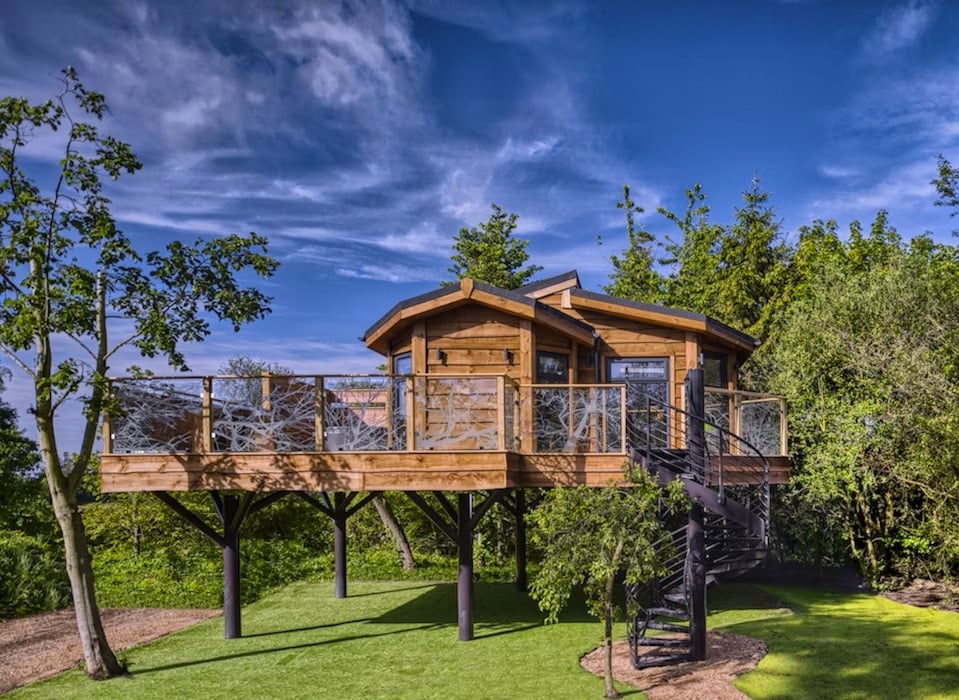
Construction Unveiled: Step-by-Step to a Secure Treehouse Support System
1. Order of Operations: Supports Come First
While it might be tempting to start with the platform or your adorable walls, getting the supports locked in must be your priority. This approach ensures stability from the get-go and prevents any need for costly rework.
2. Handling Materials with Care
- Use excellent, corrosion-resistant steel for bolts and brackets. Using cheap hardware runs a danger not worth it.
- Pads or specialty washers help to cushion the tree bark, therefore preventing scrapes and illnesses.
- Harnesses, helmets, and dependable scaffolding help to turn a dangerous work into a deliberate, safe process.
3. Environmental Respect
During construction, you’ll likely have gear, tools, and extra lumber around. Keep the site clean and protect root zones from excessive foot traffic or dumped debris. If you’re building high up, consider erecting small platforms or using stable ladders rather than hammering nails blindly from an awkward angle.
4. Professional Crew vs. DIY
Plenty of people enjoy the sweaty satisfaction of building their own hideaway. That said, complex tasks—like specialized drilling into thick branches—can be nerve-wracking without experience. Many tree-lovers opt for a hybrid approach: tackling certain parts themselves while trusting a professional team for the more complicated or dangerous aspects. Treelofts.com supports all levels of involvement. Whether you want a full hands-on experience or prefer a “show me the finished oasis” approach, we’ve got your back.
Making the Most of Those Treehouse Supports: Beyond Basic Safety
1. Turning Your Platform into a Fun Zone
With your treehouse supports in place, why not go wild with extras like a rope bridge, zip line, or a spiral slide? A rock-solid foundation means you can confidently add these playful elements. Think of how your kids’ (or your own inner kid’s) face will light up!
2. Enjoying Elevated Social Events
Imagine: Under the stars, a private dinner for two or a vibrant family barbecue where friends assemble around a specially made high-top table. Your treehouse, with appropriate structural integrity, can become the most talked-about social gathering place in your area—a perfect venue for birthdays, micro-weddings, or even meetings.
3. Remote Work or “Zen Den”
More and more people crave an escape from conventional office setups. Imagine hosting a conference call in a tree canopy, natural light filtering through leaves, birds chirping gently in the background. Some folks also transform their treehouses into quiet spaces for yoga or meditation, allowing them to unplug from digital noise in a real, tangible way.
4. Client Success Stories at Treelofts
Over at Treelofts.com, we’ve seen clients use their sturdy platforms for everything from pop-up art galleries to mini-observatories for star-gazing. One couple even installed a small sauna—yes, a sauna!—in their treehouse, reaping the warmth of relaxation amid the crisp forest air. These creative expansions are possible only when the original supports can carry the load with ease.

Safety and Maintenance: Can a Treehouse Stay Strong Indefinitely?
1. Routine Check-Ups
Trees grow, metal rusts (if untreated), wood rots if unsealed. The best defense is proactive inspections. Aim for at least a biannual check:
- Tighten loose bolts or re-level brackets
- Look for signs of fungal growth around contact points
- Monitor any changes in the trunk’s bark or structural integrity
2. Weatherproofing and Seasonal Care
Mother Nature throws plenty of curveballs: rain, snow, hail, scorching sun. Apply sealants to wooden surfaces, consider protective paint for steel supports, and ensure there’s a sound drainage solution so water doesn’t pool around critical attachment points.
3. Respect the Living Host
Don’t forget that your tree is a living entity that can suffer from disease, lightning strikes, or simply old age. If you spot issues like peeling bark, large cracks, or unexpected leaf drop, consult an arborist pronto. A timely diagnosis and treatment can save your living foundation from irreversible decline.
Conclusion: Let TreeLofts Help You Reach New Heights
1. Finding the Right Fit
No two trees are exactly alike, and no two treehouse fantasies are identical either. Whether you’re envisioning a snug reading nook 10 feet off the ground or a sprawling multi-level fortress, tailor-made supports are key to transforming fantasy into reality. Don’t settle for a one-size-fits-all approach. Instead, let the uniqueness of your tree and your dream shape the solution.
2. A Lifestyle, Not Just a Project
Building a treehouse is so much more than nailing planks and hoping for the best. It’s about embracing an elevated perspective—literally and figuratively. A well-supported treehouse can become a cherished space for family gatherings, personal growth, creative pursuits, or mindful relaxation. It’s a reflection of a lifestyle that values closeness with nature and the freedom to explore new frontiers.
4. Your Invitation to the Sky
Why stay grounded when you can rise above the ordinary? Let your creativity soar as high as the branches. Reach out to us at Treelofts.com to learn about our comprehensive services—from picking the right type of treehouse supports to adding those finishing flourishes that make your hideaway extra special. It’s time to climb up and discover a whole new realm of living. Are you ready to answer the call of the treetops?

FAQ 1: What type of tree is best for supporting a treehouse?
Healthy, mature trees with strong trunks and root systems—such as oaks, maples, or beeches—are often preferred. Look for a trunk with a substantial diameter and no visible signs of disease or decay. If you’re uncertain, consulting an arborist can help you choose the right tree for a stable, long-lasting build.
FAQ 2: Will installing treehouse supports damage the tree?
When done correctly, the impact can be minimized. Specialized bolts, brackets, and padding are designed to protect the bark and allow the tree to move and grow naturally. Using proper hardware and leaving some space around the trunk helps prevent constriction or wounds that could compromise the tree’s health.
FAQ 3: How much weight can treehouse supports hold?
This depends on the design, materials, and health of the tree itself. Engineers usually add a safety margin by calculating the maximum anticipated load—furniture, people, and extra features (like a deck extension). A well-constructed support system can comfortably hold anywhere from a few hundred to a few thousand pounds, depending on the specific setup.
FAQ 4: Do I need a professional to help install treehouse supports?
While some DIY enthusiasts handle smaller treehouse projects on their own, it’s typically wise to consult with a professional if your design is large, complex, or higher off the ground. Experts (like the team at Treelofts.com) understand load calculations, specialized hardware, and best practices, ensuring safety and longevity for your structure.
FAQ 5: How do I maintain treehouse supports over time?
Regularly inspect bolts, brackets, and any metal parts for signs of rust or looseness. Reapply sealants or protective coatings to wooden components as needed, and watch for changes in the tree’s health—such as cracks in the trunk or fungal growth. Addressing minor issues early prevents bigger problems (like structural shifting or decay) down the road.
