


You’re not alone; many people find “cost of a treehouse” to be a hot topic that sparks interest, excitement, and occasionally some financial anxiety. Have you ever looked at a picture of a lovely treehouse—nestled among the leaves, bathed in dappled sunlight—and wondered just how much cash goes into bringing that dream to life? After all, building a structure in mid-air sounds like the stuff of fairy tales, but the numbers behind such a project can feel intimidating.
Yet here’s the twist: while money absolutely matters, a treehouse’s value also lies in the intangible—like the childlike wonder you recapture when climbing a rope ladder, or the peace you feel sipping coffee in a cocoon of leaves. That’s why discussing cost isn’t just about counting pennies. It’s also about seeing how your investment translates into a unique lifestyle experience you literally can’t get at ground level.
In this post, we’ll pull back the curtain on what truly goes into the price tag of a treehouse. Along the way, we’ll examine the many factors that sway these costs up or down. We’ll share tips on how to keep your budget in check without sacrificing safety or style. We’ll even introduce you to stories of real people who found that sweet spot between dream and practical spending. Most importantly, we’ll talk about how Treelofts can help you conceptualize your project with creativity and flair. Our hope? That you finish reading with a clearer sense of how to shape your ideal “tree-top hideaway” without fear that your finances will crumble beneath you.
So whether you’re in the early planning stages or just letting your imagination run wild, grab a seat—preferably near a window with a view of some beautiful trees—and dive into the exhilarating world of treehouse budgeting. Ready to begin? Let’s start with the basics.
Who’s Really Influencing the “Cost of a Treehouse”? Key Factors Exposed
If you think the “cost of a treehouse” boils down to lumber and nails, think again! Constructing a safe, aesthetically arresting framework among the branches calls far more than simply a hammer and a pile of wood. When you embark on a treehouse journey, you’re juggling several considerations—from the size of your platform and the quality of your materials to the complexity of your design and the local norms that govern building. Allow me to dissect it here.
1. Size, Function, and Scope
How large do you want your sky-high retreat to be? A minimalistic, open-air platform might cost a fraction of what a multi-room “tree-top cottage” would run. The moment you decide to include features like an extended deck, enclosed walls, or specialized windows, you’re adding materials and labor time. And that’s just the beginning. Consider whether you also want a mini kitchenette, electricity, or plumbing. Each functional upgrade sends your budget upward.
2. Materials Make the Difference
A treehouse can be built from a range of timbers, from reasonably priced woods like redwood or exotic teak to basic pine and cedar. For a rustic, environmentally friendly vibe, some people choose recovered or recycled goods. Others are looking for innovative materials with low maintenance that resist demanding conditions. Meanwhile, metal brackets, cables, and premium fasteners can ensure your treehouse remains secure—even in strong winds or inclement weather. Suffice to say, each choice in building materials can bump your costs up or down.
3. Height and Structural Complexity
The more ambitious your design, the more professional expertise—and expense—it may require. A tall structure perched 20 feet high on a single trunk demands intricate support systems, safety rails, and specialized anchors. A ground-level deck is comparatively simpler and cheaper. Ask yourself: is that dramatic, bird’s-eye view worth the extra engineering? For many, absolutely. But be prepared to pay for it.
4. Local Regulations and Licensing
Did you know some municipalities classify treehouses as accessory dwellings? In certain places, you might need building permits or must meet zoning requirements. Depending on local laws, your project could be considered a permanent structure or might not be allowed at all without official clearance. These legal hoops can add fees, delays, or even the cost of professional inspections.
5. DIY vs. Professional Team
Planning to build everything yourself, from the foundation beams to the final coat of paint? That can shave off a chunk of labor costs. But it also means you’ll shoulder the risks if something goes wrong. Alternatively, hiring a professional firm to design and construct your treehouse ensures high-quality craftsmanship—and a higher invoice. Which path you take depends on your time, skill level, and budget tolerance.
On a Tight Budget, or Going All-In? Pick Your Perfect Treehouse Tier
Your dream treehouse might be shaped by both your imagination and your wallet. Some folks dream of a cozy deck for weekend retreats, while others want a multi-story structure that becomes a talk-of-the-town marvel. Let’s explore the main categories of treehouse budgets and what they typically offer.
1. The Budget-Friendly Platform: A Few Thousand to Five Figures
- What It Looks Like: A simple, secure wooden deck nestled against a sturdy trunk or a combination of branches. Possibly a small roof or open-air design.
- Who It’s For: Families wanting a basic play area for kids, or individuals seeking an easy-to-build vantage point for stargazing.
- Pros and Cons: Pros: economical and easier to maintain. Cons: limited amenities—no insulation, no indoor living space, minimal protection from weather.
2. Mid-Range Retreat: Around Five Figures to the Teens
- What It Looks Like: A moderate-sized structure, often enclosed on at least two or three sides. Might include windows, a door, and modest furnishings such as built-in benches or a hammock.
- Who It’s For: Those who want more than a platform—a place to unwind, spend overnights, or entertain friends.
- Pros and Cons: Pros: an actual livable space with partial creature comforts. Cons: still not a full-scale home; typically lacks full insulation, plumbing, or advanced utilities.
3. Luxury Treehouse Haven: Tens of Thousands to Six Figures (or Beyond)
- What It Looks Like: A full-blown “tree-top cabin” with interior rooms, multiple decks, electricity, plumbing, maybe even Wi-Fi or a mini kitchenette. Possibly includes a suspension bridge, hot tub, or loft bedrooms.
- Who It’s For: Those seeking an extravagant getaway or a high-end vacation rental that can generate revenue.
- Pros and Cons: Pros: ultimate comfort and wow-factor, a highlight for travelers or personal enjoyment. Cons: lengthy construction, significant ongoing maintenance, and a hefty initial price tag.
4. The Artistic Statement: Cost? Sky’s the Limit
- What It Looks Like: Architectural marvels with custom shapes, glass floors, exotic materials, creative bridging between multiple trees, or even whimsical thematic elements (think Disney-esque turrets or sculptural exteriors).
- Who It’s For: Visionaries and artists who want to push boundaries, no matter the price.
- Pros and Cons: Pros: a one-of-a-kind piece of “tree architecture” that merges nature with artistry. Cons: unpredictably high costs, specialized building requirements, and long lead times.


Where Does All That Money Go? A Deep Dive Into Treehouse Budgeting
Let’s talk specifics. Even if you’ve set your sights on a certain type of treehouse, you might be curious: “Where does my hard-earned cash actually end up?” The breakdown varies, but here are the most common expenditure categories.
1. Material Costs: From Wood to Metal
- Primary Wood: The largest slice of your budget often goes here. Cedar, pine, redwood, or even composite boards are typical. Prices fluctuate based on quality and region.
- Fasteners and Hardware: High-grade bolts, screws, brackets, or specialized tension cables can add up. Cutting corners here could be risky safety-wise.
- Optional Upgrades: Glass panels, special roofing materials, or decorative siding can boost your final invoice.
2. Labor and Expertise
- Professional Builders: Pros can command a high rate—particularly if you need custom engineering or specialized arborists.
- DIY Labor: Sweat equity can cut costs significantly, but factor in the time you’ll spend. Also, novice mistakes can lead to additional expenses (and frustrations!) later on.
3. Legal and Permit Fees
- Permits: Some localities charge for building permits, inspections, or necessary zoning variances.
- Professional Inspections: If your local government requires structural or safety reviews, you’ll need to hire a qualified inspector.
4. Interior and Aesthetic Touches
- Furniture: Whether it’s a built-in bench or a plush reading nook, furnishing a treehouse can range from minimal to luxurious.
- Lighting and Decor: Strings of fairy lights, eco-friendly LED fixtures, or even solar panels. These not only add ambiance but also impact the budget.
5. Ongoing Maintenance
- Upkeep: The tree grows, the wood can warp or decay, and hardware might loosen with time. Budget for periodic repairs and protective treatments.
- Weather Proofing: Areas prone to heavy rain, snow, or strong winds may need special protective measures—extra roofing, storm shutters, or reinforced crossbeams.
Curious about how to blend beauty with functionality? Check out Treelofts—our website is packed with conceptual ideas to help you plan a visually stunning, nature-harmonious treehouse.
Don’t Want Your Wallet to Wail? How to Save Big and Still Build Awesome
Great news: you don’t have to drop a fortune to craft a wonderful treetop hideaway. With a little resourcefulness—and perhaps some creative compromise—you can stretch your dollars further. Here are a few suggestions:
1. Hunt for Reclaimed Treasures
Who says you need brand-new everything? Sourcing reclaimed wood, second-hand windows, or salvaged doors can give your treehouse a rustic, eco-friendly edge while cutting costs. Habitat for Humanity ReStores or local salvage yards are prime spots to scour for budget-friendly materials.
2. Go Modular or Phase It Out
You don’t have to build your entire vision in one shot. Instead, start with a foundational platform and basic safety rails. Once that’s secure and you’ve saved up a bit more, add on an enclosed section, a small deck extension, or even a sliding door. Phasing out the build spreads expenses over time and lets you refine your design based on real-life use.
3. Compare Prices and Bargain
Don’t settle for the first hardware quote or lumber supplier you find. Shop around, look for sales, and ask about bulk discounts. Many local suppliers have periodic promotions, especially during off-season months. If you hire a contractor, get multiple estimates and compare their track records, not just their bottom-line costs.
4. Tackle DIY Where You Can
If you have basic carpentry skills—or the willingness to learn—take on simpler tasks yourself. For instance, you might handle painting, staining, or sanding the wood while leaving the structural framework to professionals. This strategy can slash labor fees while also injecting your personal sweat equity into the project.
5. Buddy Up!
Two heads are better than one, especially when it comes to lifting heavy beams, cutting lumber, or brainstorming solutions. Enlisting friends or neighbors for a “treehouse build weekend” can turn a daunting job into a social event. Provide refreshments, and you’ve got an instant team more than happy to help.
Learn More: https://treelofts.com/the-meadow-haven/

Why Does Treelofts Offer Inspiration?
You might be thinking: “If Treelofts is so passionate about treehouses, why don’t they build them?” Let’s clear up the confusion:
1. Our Zone of Genius: Conceptual Design and Aesthetic Vision
Building a safe, code-compliant, and long-lasting treehouse requires specialized expertise in engineering, carpentry, and often arboriculture. Our role is to inspire you with concepts, ideas, and potential designs that elevate your imagination. By focusing purely on design-related creativity, we can continuously explore fresh visions, share success stories, and provide the ultimate wellspring of inspiration for your dream project.
2. Construction Demands Local Knowledge
Creating a physically sound treehouse means working within local contexts—such as your region’s climate, building codes, or the specific species of your support tree. A local builder or a determined DIY approach is almost always the best solution. Our job is to spark your imagination so you head into the building process with a clear sense of style and function.
3. Avoiding One-Size-Fits-All Solutions
We believe every treehouse is as unique as the person building it. By not tying ourselves to a standardized “construction package,” we can help you discover a design approach that truly matches your personality, environment, and budget. The result: a more customized treehouse that resonates with your preferences—rather than a cookie-cutter structure.
4. How to Use Treelofts for Your Project
- Browse Our Site: Check out our design galleries, concept sketches, and blog posts that discuss color palettes, style trends, and practical solutions.
- Get Inspired, Then Collaborate Locally: Once you have a cohesive vision, reach out to a trusted local builder or gather your own team. Show them the ideas you’ve gleaned from Treelofts, and watch your dream take shape!
- Stay Connected: As you progress, return for more articles and tips. We regularly update our site with new inspirations, stories from real treehouse enthusiasts, and pointers on eco-friendly living.
How Are Others Getting It Done? Cost–Dream Balance in Real-Life Success Stories
Who doesn’t love a good story? Sometimes the best way to learn is by seeing how other people navigate treehouse finances. Here are three snapshots of treehouse owners who struck that sweet cost–dream equilibrium.
1. Case A: Parents on a Shoestring Budget
- Budget: Under $5,000
- Outcome: A small but stable 10×10-foot platform surrounded by sturdy rails and accessed via a wooden ladder. Reclaimed lumber kept materials cheap, while family members pitched in for weekend builds.
- Lesson: They proved that with determination, second-hand materials, and a touch of creativity, you can craft a safe, delightful hideout without draining your savings account.
2. Case B: Boutique Airbnb Treehouse
- Budget: $40,000–$50,000
- Outcome: Enclosed walls, a wraparound deck for stargazing, solar-powered lighting, and a composting toilet. Sleek interior finishing and a queen-size loft bed turned it into a sought-after short-term rental.
- Lesson: While the initial investment was significant, the owners recouped costs through steady rentals. Their approach: treat the structure like a mini house, ensuring comfort and style that command premium rates.
3. Case C: An Artistic Escape with a Price Tag to Match
- Budget: $100,000+
- Outcome: A multi-level masterpiece featuring a spiral staircase, floor-to-ceiling windows, and an elevated walkway connecting two main decks. Some sections had glass floors to admire the forest below!
- Lesson: This one transcended mere lodging. It became a showpiece that merges nature with art. The owners believed the final creation was worth every penny, even if it meant a major investment of time, money, and specialized craftsmanship.
In each instance, these individuals approached the question “How much does a treehouse cost?” in unique ways. Their budgets, goals, and results differ widely. That’s precisely the point: you can scale your dream up or down to fit your comfort level—both financial and lifestyle-wise.
Looking to glean more inspiration? Dive into Treelofts’ collection of dream projects and design suggestions.
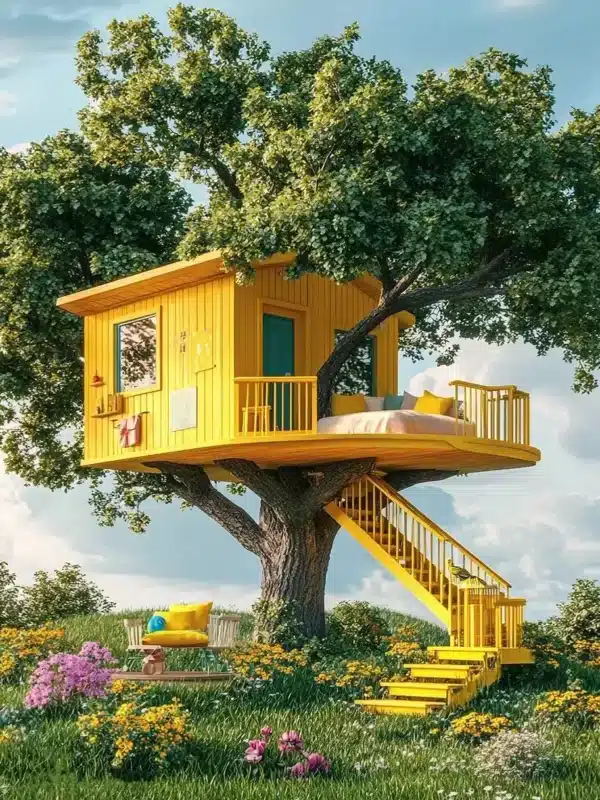
Is Treehouse Budget a Burden or a Step Toward Your Dream? Our Parting Thoughts
By now, you’ve seen that “the cost of a treehouse” can mean nearly anything—from a few thousand bucks for a simple open-air deck to hundreds of thousands for a marvel of design perched high among the branches. You’ve learned about the factors that can drive those costs skyward: choice of materials, professional expertise, local legalities, and the complexity of your vision. You’ve discovered strategies for saving money, from repurposing second-hand wood to phasing in more elaborate features over time.
Still, let’s discuss the intangible aspect. More than just a line item in your budget is a treehouse. It’s the chance to re-connect with nature, break free from the daily grind, and go back to the magic many of us left behind in childhood. Building, decorating, and finally appreciating the structure can unite families, make memories with friends, or provide a peaceful haven for conscious living and creative expression.
Remember these key takeaways:
- Identify Your Purpose: Clearly state what you actually want from a treehouse: a fun hangout for weekend get-togethers, a romantic Airbnb hideaway, or a personal creative haven. Your purpose will determine your budget.
- Weigh Budget vs. Ambition: There’s no shame in starting small or adding bells and whistles later. Likewise, if you’re longing for something epic and can afford it, go for it! Just ensure every dollar spent aligns with the joy and function you seek.
- Don’t Skimp on Safety: However thrifty you want to be, do not compromise structural integrity. Solid materials and proper engineering keep your dream stable and your loved ones safe.
- Inspiration Over Installation: Treelofts is here to fuel your imagination, spark your creativity, and guide you toward designs that mesh with your style.
- Ongoing Investment: A treehouse is a living project as the tree grows and seasons change. Budget for maintenance and improvements so your canopy haven ages gracefully.
At the end of the day, a treehouse’s true value can’t be measured solely in dollars. It’s in the soft hush of leaves brushing your window, the laughter of children discovering a secret fort overhead, and the serenity of dawn light as you sip coffee above the world. That’s the magic you’re paying for—an experience that transcends everyday living.
So, is the “cost of a treehouse” a burdensome expense, or is it an opening chapter to a fresh perspective on what home and freedom can mean? We’d argue it’s the latter. If you’ve been itching to explore the idea of building your own leafy retreat, there’s no better time than now to start researching, planning, and stashing away those savings. And while you’re at it, don’t forget to consult the growing library of inventive concepts at Treelofts. We’re thrilled to point you toward your next great adventure in design—no hard hats required on our end, just a boundless spirit of creativity.
Here’s to your future treehouse: may it be as breathtaking, fun, and inspiring as your wildest dreams!
FAQ
1. Do I need a permit to build a treehouse?
Local zoning rules and laws will determine it. A treehouse is sometimes regarded as an additional construction in some places, which could call for following particular safety regulations and obtaining building licenses. Before beginning any building, always find out from your municipality or homeowners association.
2. Can I build a safe treehouse on a tight budget?
Definitely—if you properly consider basic safety issues and give them top priority. Surprisingly reasonably priced is a modest, open-platform design with quality lumber and safe fasteners. Finding used or recycled goods also helps to minimize expenses without sacrificing structural integrity.
3. How do I balance DIY work with professional help?
If you have the time and ability, it’s wise to do minor chores yourself—like painting or basic assembling. But for complicated components—such as load-bearing beams, anchoring systems, or specialist engineering—take into account consulting an expert. This guarantees your treehouse satisfies criteria for safety.
4. What kind of ongoing maintenance does a treehouse need?
Treehouses bear particular challenges like changing branches, expanding trunks, and elemental exposure. At least once or twice a year, expect to find loose hardware, wood rot, or damage. As necessary, reapply sealants or stains; keep an eye on the supporting tree to make sure it stays healthy in terms of disease or insect count.
